Ahmedabad has a hot, semi-arid climate with three clear seasons: a long cool and dry winter, a fierce summer and a short, humid monsoon. Most visitors will want to come in the cooler months, but each season has its own appeal, and festivals can make any time of year special.
October to March: the best months
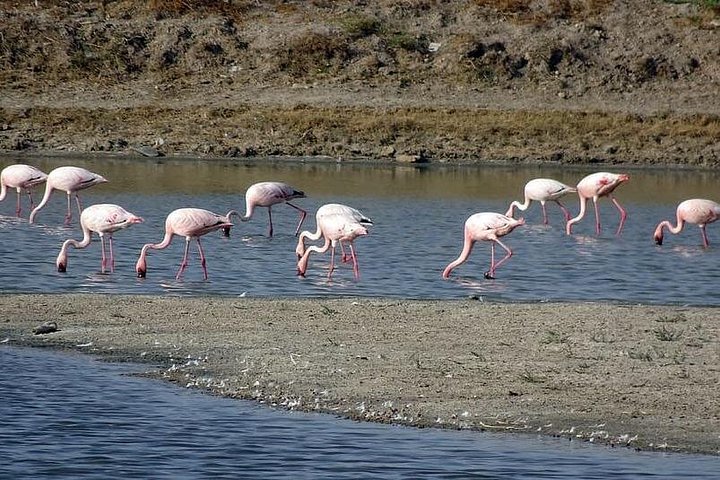
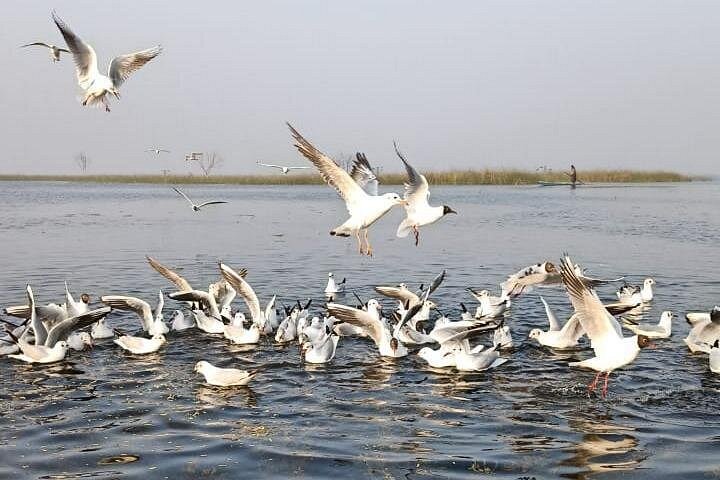
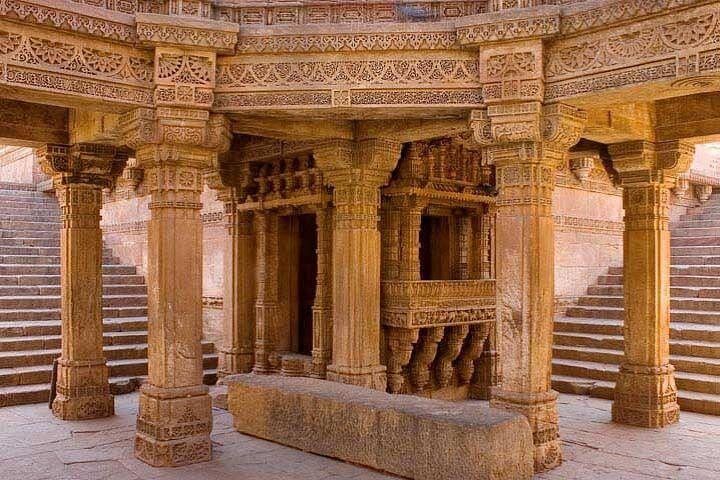
From late October the heat eases, and by December days are sunny and pleasantly warm while nights turn cool. This is the best time for walking the old city, visiting the stepwells and taking day trips. It is also the season for the Little Rann of Kutch and Nal Sarovar, when migratory birds arrive, and for the White Rann salt desert, which is dry enough to visit. Hotel prices and demand are highest at this time, and the wedding season fills hotels, so book early.
January: the kite festival
Uttarayan, around the middle of January, is the most exhilarating festival in the city. Rooftops fill with families flying kites, the sky turns into a patchwork of colour and the air smells of sesame and jaggery sweets. Hotels book up early and prices rise, but the atmosphere is unforgettable. Expect loud music, crowds and kite strings that can be hazardous on streets, so be careful on motorbikes and rickshaws.
February and March: warming up
Days become hotter, though mornings and evenings remain comfortable. It is a good time for travel before the summer heat, and crowds thin. Holi, the festival of colours, falls around this time, bringing street celebrations and powdered colour.
April to June: extreme heat
Temperatures climb well into the forties Celsius, and afternoons can be punishing. Sightseeing is best confined to early mornings and evenings, with a long rest in the middle of the day. Prices are lower, and monuments are quieter. If you must travel then, keep hydrated, wear a hat and light clothing and plan indoor stops such as museums.
July to September: the monsoon
The rains bring relief from the heat and turn the countryside green. Humidity is high, and heavy downpours can cause flooding and traffic delays. Stepwells fill with water, and the Rann is unreachable. Outdoor sightseeing is less reliable, but hotel rates are low and the city is quiet.
Navratri: nine nights of dance
In September or October, depending on the lunar calendar, Navratri turns Ahmedabad into one enormous dance floor. Thousands of people gather each night for garba and dandiya raas, wearing bright traditional dress. Visitors can join public events and watch in awe. Hotels fill, and prices rise, so plan ahead.
Diwali and winter holidays
Diwali, in October or November, brings lights, sweets and shopping, and the Gujarati new year follows. The city is festive and busy. Winter school holidays also fill popular sights, so weekdays are quieter.
Practical tips by season
In winter, pack light layers for cool evenings and mornings, especially in the desert. In summer, carry sun protection and water, and avoid midday sightseeing. In the monsoon, bring a waterproof jacket and shoes with grip. Many museums and monuments close one day a week, and some close for religious holidays, so check opening times.
Our pick
If you can choose, come in November or February. You get comfortable weather, clear skies, full birdlife and fewer crowds than in the festival peaks of January and the wedding season of December. Add Navratri or Uttarayan if you want a festival at the heart of your trip.
Planning around the sun
Even in the cooler months, midday sun is strong, and the old city lanes reflect heat. Plan outdoor sights for the morning and late afternoon and keep museums, long lunches and rest for the middle of the day. The stepwells are cooler inside than the surrounding countryside, but the walk to them can be hot, so bring water.
Crowds and costs
International visitors cluster from November to February, and domestic travellers fill hotels over long weekends, school holidays and festival weeks. Booking a few weeks ahead usually secures good rooms at fair prices, while booking only days before a festival can be costly or impossible. Shoulder months such as October and March strike a good balance, with pleasant weather and thinner crowds.
A note on air and dust
In the dry months, dust and traffic fumes can make the old city feel heavy, so a light scarf or mask helps. After rain the air clears and the colours of the countryside are at their best.