The Algarve is one of Europe's easiest family destinations: reliable sun, warm shallow beaches, short transfers from Faro airport and a wide choice of child-friendly attractions. A little planning turns it from a good holiday into an easy one. Here is how to build the trip.
Choose the right beach
For small children, choose a beach with gentle surf and a sheltered cove. The central Algarve between Albufeira and Lagoa has many wide sandy beaches with lifeguards in summer, cafes and toilets. Beaches on the west coast near Sagres are wilder, with strong waves and cold water, and are better for older children and surfers. Look for flags that show the water conditions, swim only where lifeguards are on duty, and take shade, since the sun is strong even in spring. Steps down to coves can be steep, so a carrier is easier than a buggy.
Boat trips children like
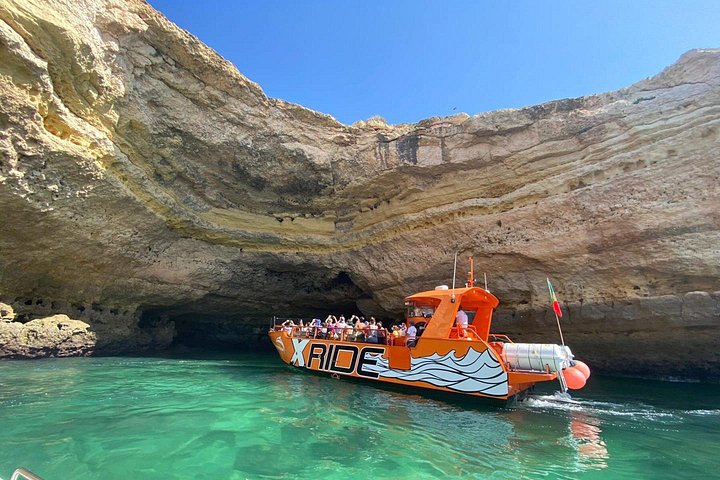
A boat is often the highlight of a child's holiday. A dolphin-watching cruise from Albufeira Marina combines the excitement of spotting wildlife with a ride and a look at sea caves, though sightings are never guaranteed and the operator should say so. Cave and grotto cruises at Ponta da Piedade and along the Lagoa coast suit children who can sit still for an hour or two, and boat tours are easier than kayaks for younger visitors. Always check the minimum age, life jacket rules and cancellation terms, and choose morning departures when the sea is calmer. Benagil Cave can only be entered on organised tours, so the old stories of swimming in are out of date.
Parks and animals
The Algarve has several family parks. Zoomarine at Guia is a marine and animal park with shows and encounters, and it is the biggest day out. Aqualand at Alcantarilha is a water park with slides, a wave pool and a toddler area in the warmer months. Krazy World at Algoz and Lagos Zoo offer smaller, hands-on days with reptiles, lemurs and farm animals. Check opening calendars, because several parks open on reduced days out of season and water parks close in winter. Do one park per day and balance it with a quiet day on the beach.
Easy walks and sights
Short sections of cliff paths such as the Seven Hanging Valleys trail are rewarding with older children, but unfenced edges mean you should keep little ones close and choose a section with a clear path. Ponta da Piedade has a free walk and steps to viewpoints. Lagos fort and old town are small enough for children, and Silves Castle has ramparts to walk and towers to climb. Faro's old town and the boat trip across the Ria Formosa lagoon give a taste of birdlife and islands, and the train to Tavira is a small adventure in itself.
Where to base yourselves
Families often choose a resort with pools, a kids club and a beach nearby. Lagos, Albufeira and Alvor all have family hotels, and the resorts at Falésia and Praia da Galé suit travellers who want a beach on the doorstep. Apartment-style rooms with kitchens save money and make nap times and early dinners easier. If you want flexibility for sightseeing, choose a base with a car park and good road links, and ask about cots, high chairs and family rooms when you book.
Heat, sun and naps
Plan around the middle of the day. Mornings are for walks, boats and parks, the early afternoon is for a long lunch, a siesta or the pool, and the late afternoon is for the beach, when the light is softer and the crowds thin. Pack hats, rash vests, high-factor sunscreen and a refillable water bottle. In July and August, temperatures inland are high, and a jeep safari or hill drive should be an early start.
Eating with children
Portuguese restaurants are welcoming to families, and children's portions or simple dishes such as grilled chicken, pasta, rice and chips are common. Grilled fish and shared plates are an easy way to introduce new tastes. Dinner often starts later than in northern Europe, so eat early at a casual place or have a big late lunch.
Getting around
A car makes family travel easier, with space for buggies and beach gear. Child seats are legally required, so arrange them when you hire the car. Trains run along the coast and are fun for children, but stations are not always close to beaches. Taxis and transfers can be pre-booked from the airport.
When to go
Late May, June and September offer warm weather and manageable crowds, while July and August suit school holidays but are hot and busy. Spring is cooler and better for walking than swimming.