Three days is enough to see the best of the Algarve if you accept one rule: do not try to cross the whole coast. The shore runs about 150 kilometres from Sagres to the Spanish border, and the headline sights sit in clusters. This plan uses a central base around Lagos, Portimão or Albufeira, keeps most days to under an hour of travel and leaves room for a swim.
Day one: boats, caves and cliffs
Start with the sea, because it is the part of the trip that depends on the weather. Take a boat or guided kayak trip to the sea caves on the Lagoa coast, where entry to Benagil Cave is only on organised tours by licensed operators and is never guaranteed. Mornings are calmer and less crowded. After the boat, walk a section of the Seven Hanging Valleys trail from Praia da Marinha, where clifftop paths lead past stacks, blowholes and coves. Even an hour is rewarding, and the full route takes several hours. Finish with a swim at Praia da Marinha or nearby Algar Seco, and eat grilled fish in Carvoeiro or Armação de Pêra. If the sea is rough and the boats are cancelled, swap this with day three and walk the cliffs first.
Day two: Lagos, Ponta da Piedade and Sagres
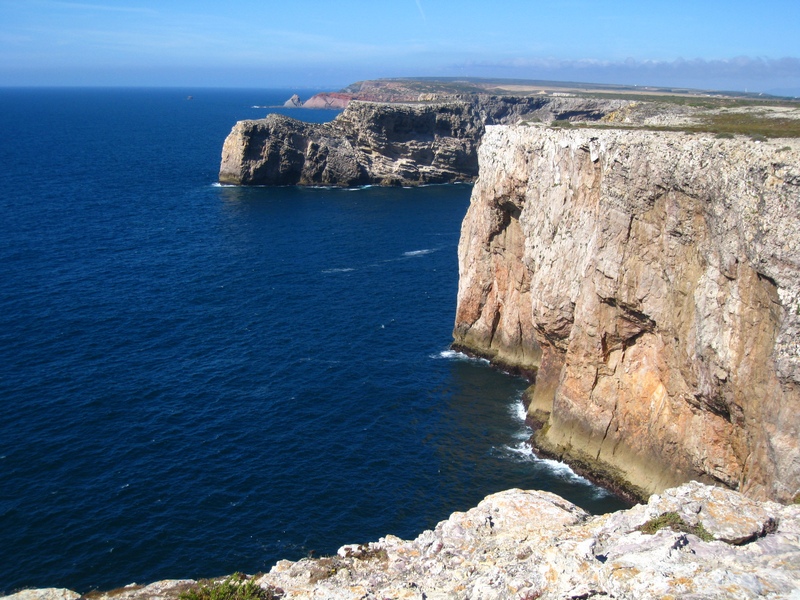
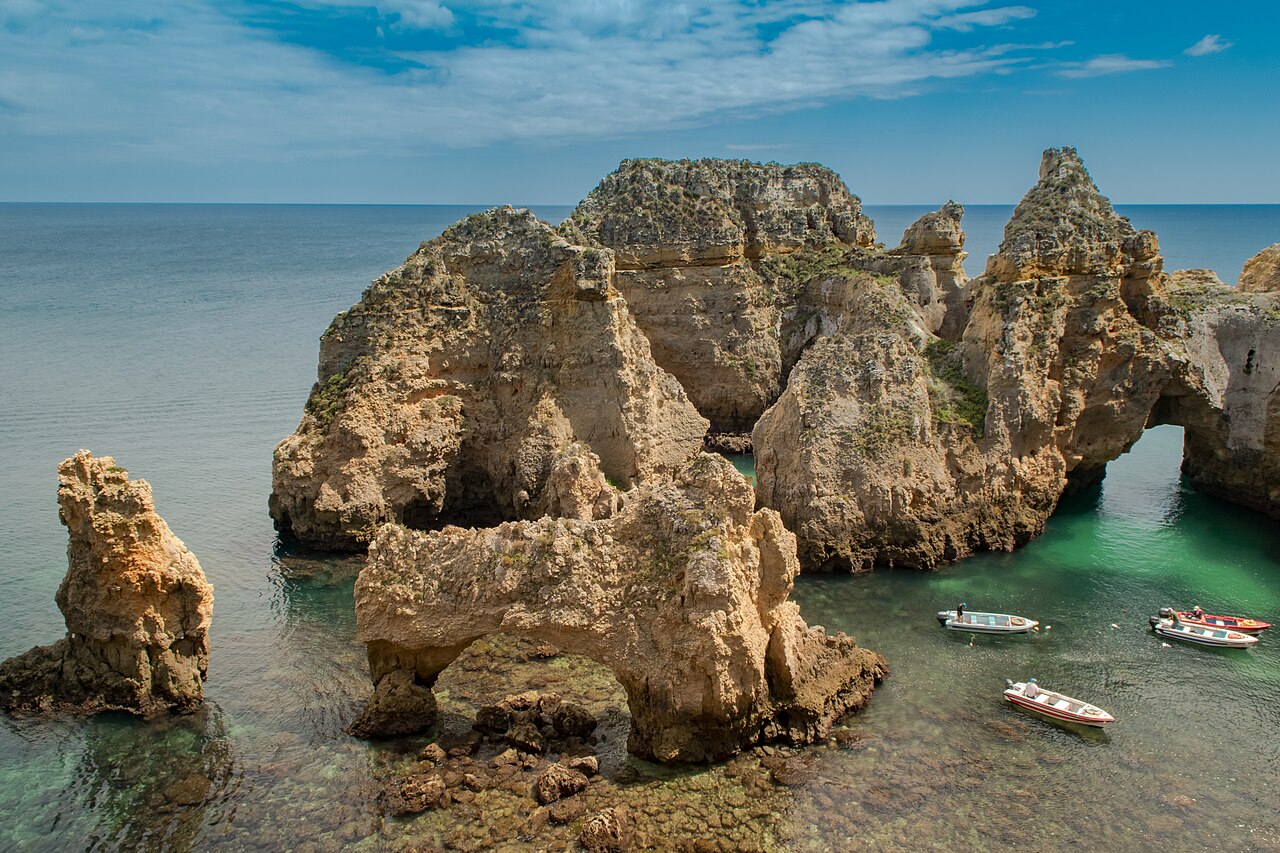
Spend the morning in Lagos old town, with its walls, its gilded baroque church and its fort at the harbour mouth, and put an hour into a guided walk if you like context. Then go to Ponta da Piedade, the headland just south of town, where a free clifftop path leads to viewpoints over golden stacks and arches. A grotto cruise or a guided kayak trip from the marina or the beaches gives the close view. In the afternoon, drive or take a half-day tour to Sagres and Cape St. Vincent, the south-western tip of mainland Europe, where the wind, the lighthouse and the long light make the best sunset on the coast. Dress in layers, because the cape is windy even in summer. It is a long day, so leave the Sagres leg to a tour if you do not want to drive back in the dark.
Day three: choose your flavour
The Algarve has more than one character, and the third day lets you pick. If you want culture and calm, head east to Faro for the walled old town and a boat trip into the Ria Formosa lagoon, with its barrier islands and birdlife, or continue to Tavira, where a Roman bridge, a castle garden and a quiet island beach give a different feel from the west. If you want family fun, spend the day at Zoomarine or a water park. If you want the interior, join a half-day jeep safari or a tour that combines Silves castle with the hills of Monchique and a tasting of honey and medronho.
Getting around
A car makes the plan simpler, particularly for Marinha, the trail and Sagres, but you can manage without one. The regional train runs between Lagos, Portimão, Albufeira area stations and Faro, taxis are inexpensive for short hops, and many tours include pick-ups from hotels. Parking at the busiest beaches fills early in summer, so arrive before ten in the morning.
What to book ahead
Book the boat trips first, preferably with free cancellation, because rough seas cancel departures. Next, book any family attraction you want, and check its calendar because some run reduced days out of season. Restaurants rarely need booking except in July and August and at weekends, when popular places by the sea can be full by eight in the evening.
Where to stay
Lagos is the best base for this plan because it puts the old town, Ponta da Piedade and Sagres on your doorstep and keeps Benagil within a forty-minute drive. Albufeira is a good alternative if you want the dolphin cruises and family days out, and Alvor or Portimão sit between the two. Resort stays on the central coast, such as the clifftop hotels at Falésia, suit travellers who prefer one base and day trips by car.
Fallbacks
Have a plan for wind and rain. A wet day suits Silves castle and the Monchique hills, a zoo park, or the museums and cafes of Faro. If a day is lost to the sea, you can move the walking day forward, and remember that the cliffs are at their best in the soft light of early morning and late afternoon.
A realistic pace
Do one big thing in the morning, rest in the middle of the day when the sun is hottest, and use the late afternoon for a walk or a viewpoint. The Algarve rewards slow days more than ticked-off lists, and three days with one change of scene is a good first taste that leaves you wanting more.