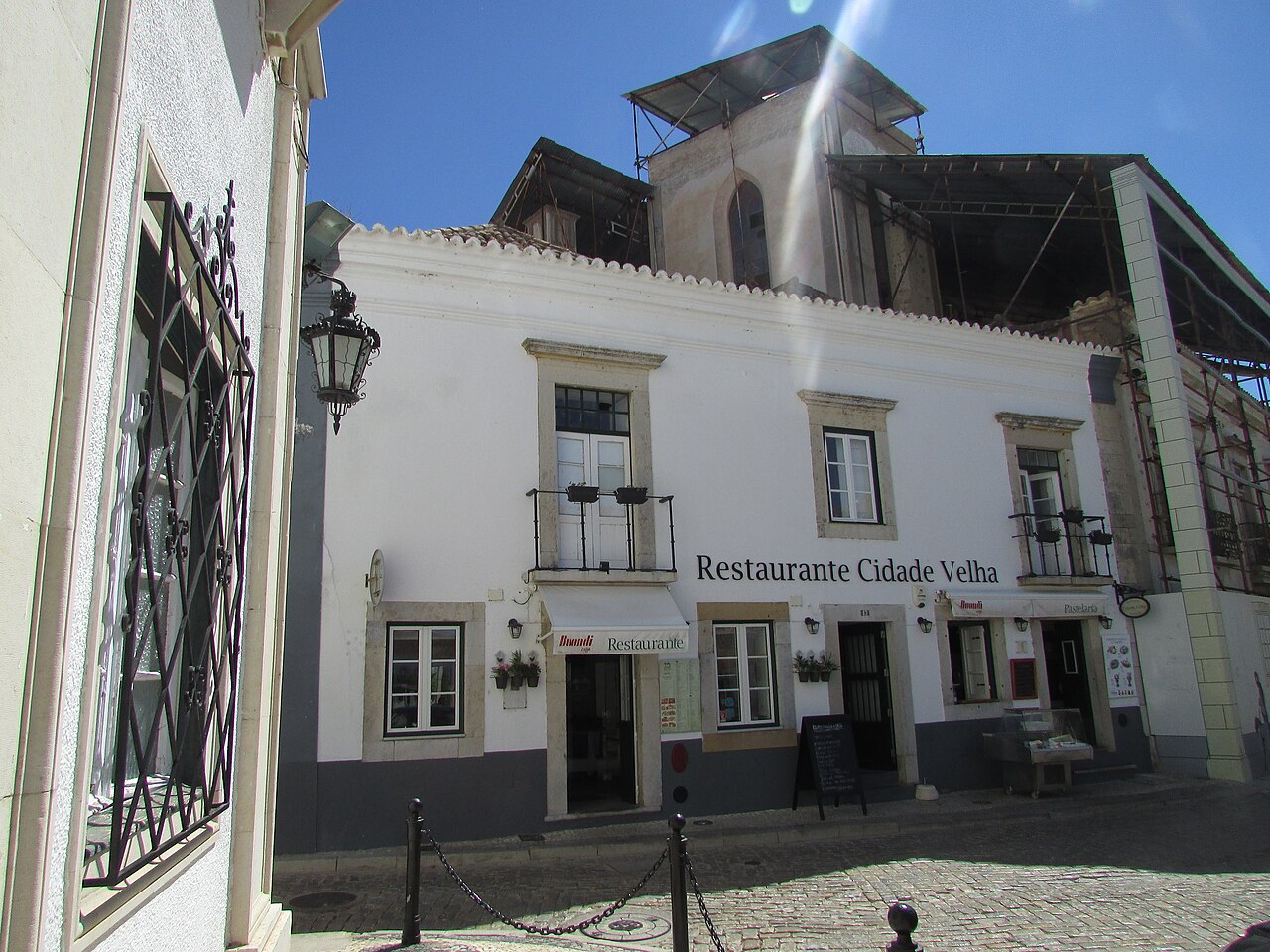
Eating well on the Algarve is simple if you remember that the cooking is built around the sea and the hills behind it. Fresh fish, shellfish, olive oil, almonds, figs, oranges and pork from the interior shape most menus, and the best meals are usually unfussy. Here is what to order and how to find it.
Grilled fish and the daily catch
The classic Algarve meal is fish grilled over charcoal and served with boiled potatoes, salad and olive oil. Look for sea bream (dourada), sea bass (robalo) and sardines in summer. Many restaurants display the catch on ice, and fish is often sold by weight, so ask the price per kilo before you order and check the weight on the plate. A grilled fish for two is a good value meal at a simple restaurant. Sardines are at their best in the warm months, when they are served on bread with salad, and local festivals celebrate them with open-air grills.
Cataplana and seafood rice
The cataplana is a hinged copper pan, shaped like a clam, in which seafood, sausage, tomato, onion and wine are steamed together. It is typically served for two or more and brings clams, prawns, fish and sometimes pork to the table in a fragrant broth. Arroz de marisco, a soupy seafood rice, is another staple. Both are best in places that cook them to order, which can take half an hour, so order a starter and a glass of wine while you wait.
Small plates and snacks
Petiscos are the Portuguese answer to tapas: grilled octopus, clams in garlic and coriander, fried cuttlefish, cured sausage, cheese and olives. They are ideal for sharing and for travellers who want to try several things. Pastry shops serve pastéis de nata, the custard tarts, along with coffee, and cafes sell toasted sandwiches and the pork rolls known as bifanas. Piri-piri chicken, grilled with chilli and garlic, is popular in the Algarve, and quality varies, so choose a place with a busy grill.
Sweet things
The Algarve is known for its sweets made with almonds, figs and eggs. Look for Dom Rodrigo, a rich egg and almond sweet wrapped in foil, the almond and fig cakes known as queijinhos de figo, and marzipan shaped like fruit and sea creatures. They are good with strong coffee and make easy gifts to pack.
Markets and where to shop
Local markets are the best places for fruit, fish, cheese, olives and cured meats. The market halls in Loulé, Olhão and Faro are particularly good, and Olhão's waterfront market buildings are a lively place to see the catch in the morning. Many market buildings have small bars where you can eat grilled fish or have coffee. Markets are at their best in the morning and close in the afternoon.
Wine and spirits
The Algarve has its own wine regions and a growing number of estates that offer tastings. Whites are fresh and easy to drink with fish, and reds and rosés have improved a great deal in recent years. Tours from Albufeira, Lagos and Faro visit wineries and often combine them with Silves or the hills. In the mountains of Monchique and the Caldeirão hills you will find medronho, a strong spirit distilled from the fruit of the strawberry tree, sipped after a meal. Honey, smoked sausages and chestnuts also come from the hills, and a jeep safari or a Monchique day tour is a good way to taste them.
How to avoid tourist traps
Be wary of restaurants that photograph every dish on a large menu in several languages and have a tout at the door. Walk one or two streets away from the main promenade, choose places where Portuguese families are eating, and look for a short menu that changes with the catch. Ask for the dish of the day (prato do dia), which is often the best value at lunch. The cover charge for bread, olives and butter placed on the table is common, and you can decline what you do not want.
Practical tips
Lunch is usually served from about noon to three and dinner from half past seven onward, later in summer. Many restaurants close one day a week, often Sunday evening or Monday, and some close for part of the winter. Service is included in some places but a small tip for good service is customary. Vegetarians will find salads, vegetable rice, grilled cheese, soups and eggs, and more restaurants now offer vegan dishes, but fish and pork are never far away in traditional cooking.