AlUla is a small place with a surprisingly good food scene. The oasis supplies dates, citrus, herbs, figs, olives and grains, a growing number of cafés and restaurants cook with them, and visitors can add hosted meals and desert dinners to their days. The experience is shaped by Saudi hospitality, so even a quick coffee tends to come with a story.
Start with Saudi coffee and dates
Saudi coffee is lightly roasted, flavoured with cardamom and sometimes saffron, and poured in small handleless cups from a long-spouted pot. It is served with dates and offered again until you gently shake the cup to say you have had enough. You will meet it in hotel lobbies, at festivals and at a kashta, a desert gathering where friends sit on rugs and make coffee at sunset. The Rainbow Arch kashta is a private version that puts this ritual in a landscape setting.
Oasis-to-fork dining
The AlUla Oasis has about 2.3 million date palms and around 200,000 citrus trees, plus herbs such as basil and mint, grains, figs and olives, all watered by natural spring water. Several cafés and restaurants in and around the oasis use that produce in salads, pastas, pizzas, juices and desserts. A morning walk through the groves followed by lunch under the palms is one of the nicest low-effort days in AlUla. Parking is free in a few locations, and the Heart of the Oasis and the North Parking near AlJadidah are the most convenient.
Old Town for evenings
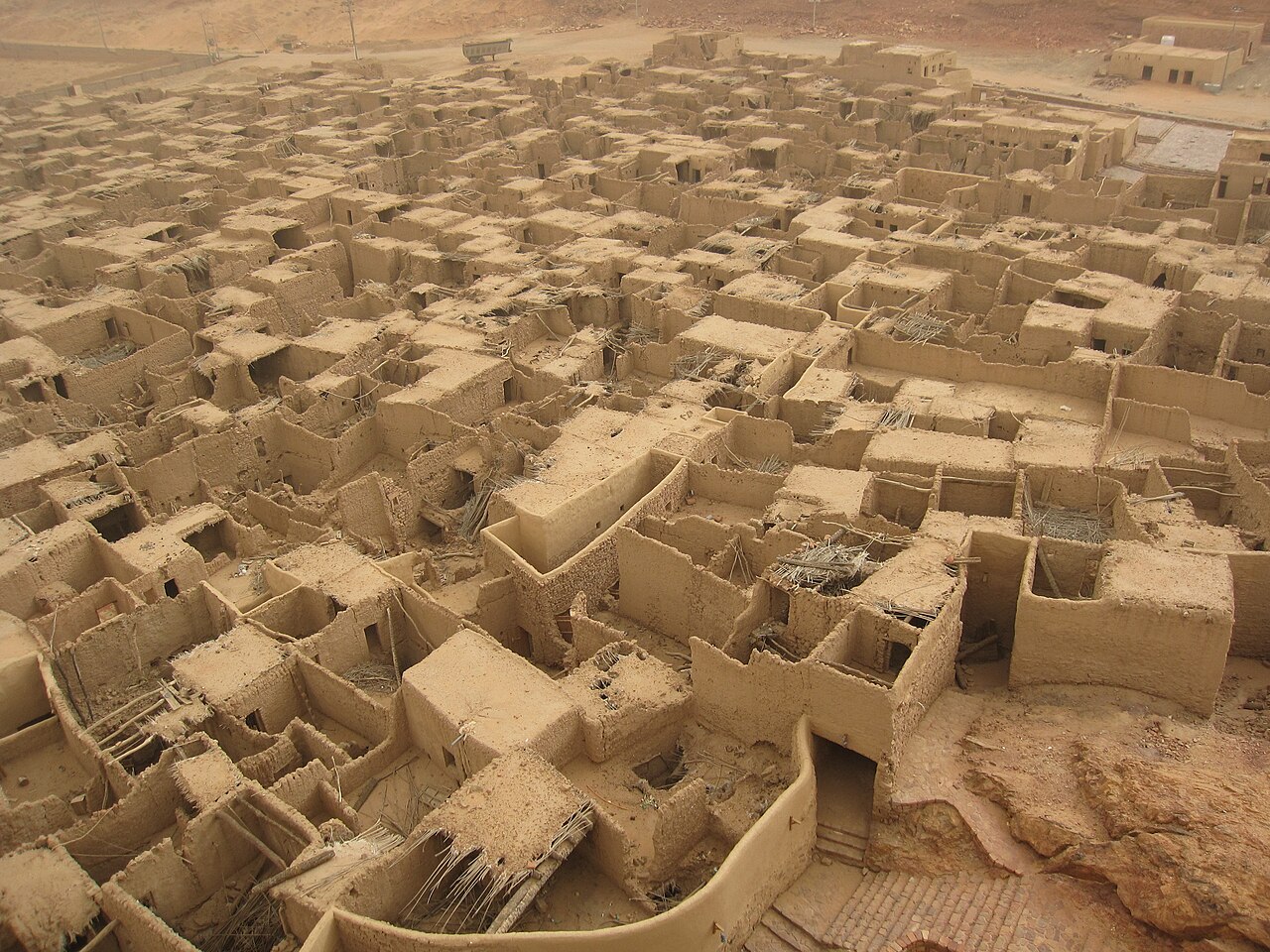
AlUla Old Town has cafés and restaurants tucked into the mud-brick lanes, with shops that stay open until late. Opening times vary, but the area comes to life in the late afternoon and evening, when the heat falls. It is a good place for a first dinner because everything is walkable, and the streets are pedestrian only. The Old Town hotel, Dar Tantora, has its own restaurant for modern Saudi dishes, which suits guests who prefer not to leave the lanes at night.
Hosted meals and desert dinners
If you want to understand Saudi food rather than just eat it, a hosted cultural meal is the best option. The Saudi cuisine and hospitality experience covers coffee, dates and traditional dishes, with a guide who explains the customs behind them. For something more dramatic, the Gharameel stargazing evening includes a grilled campfire dinner among rock pillars, and the Sharaan safari includes dinner in a protected reserve. These evenings are long, so plan a lighter lunch.
Traditional dishes to look for
Rice dishes with lamb or chicken are a core part of Saudi cooking, often spiced and served on a large shared platter. Flatbreads, stews, grilled meats, dairy such as yoghurt and local cheeses, and sweets made with dates are common. You will also see fresh juices, especially citrus, and spiced teas. Dishes vary by host and by season, so ask what is local that day.
Alcohol and dietary needs
Alcohol is not served in Saudi Arabia, so evenings revolve around coffee, tea, juices and mocktails. Food is halal, which is relevant for some visitors. Vegetarian options are usually available in cafés and hotels but are less common in traditional hosted meals, so tell the operator in advance. If you have allergies, ask staff to check ingredients, and carry any medication you need. Hotels are generally good at adapting breakfasts.
Breakfast, snacks and budgets
Most hotels serve breakfast, though some budget places charge extra for a buffet, so check your rate. For snacks, dates are a natural choice, and citrus fruit from the oasis is easy to carry. Food trucks and cafés operate at places like Elephant Rock in the late afternoon and evening, which makes it easy to combine sunset and a bite. If you are saving money, eat your main meal at lunch and keep dinner simple.
Etiquette
Accept coffee with your right hand, take the first cup if offered, and do not refuse hospitality abruptly. Dress modestly in restaurants and homes. Ask before photographing people, especially when you are being hosted. Be patient with service, as the pace is relaxed, and book ahead for group dinners and festivals.
A simple food plan
Take coffee and dates on arrival, a long lunch in the oasis, an early evening walk in Old Town, and one special dinner, either a hosted meal or a desert dinner. That mix gives you everyday food, local culture and a memorable evening without overspending.