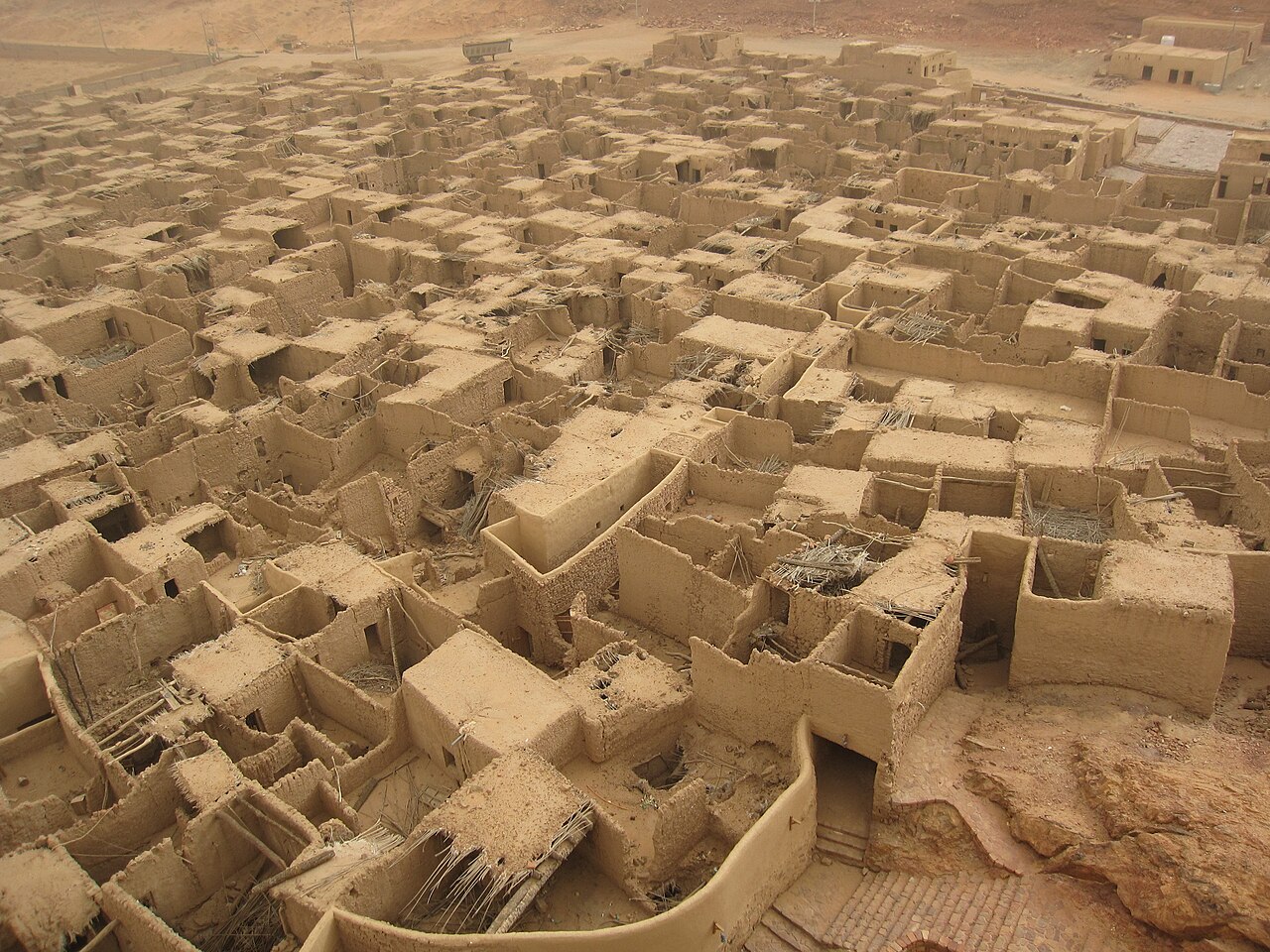
AlUla is a desert oasis in northwest Saudi Arabia where ancient tombs, a mud-brick old town and a mirrored concert hall sit within a short drive of each other. Most of it can be seen in three days, and the best way to plan it is to book the few things that sell out and leave the rest flexible.
Entry and travel
Visitors from many countries can apply online for a Saudi tourist e-visa before travel, and a one-year multiple-entry e-visa is available to travellers from dozens of eligible countries. Eligibility, fees and any arrival rules change, so check the Visit Saudi portal for your passport, and your government’s current travel advice, before you book flights. AlUla has its own airport, and the roads from Madinah are long, so flying is the easy option.
When to go
Winter, from roughly November to March, is the comfortable season, with warm days and cool nights. It is also the festival season: the 2025 to 2026 calendar included the Ancient Kingdoms Festival from late November, Winter at Tantora from mid-December to early January and the AlUla Arts Festival from mid-January to mid-February. Dates for the 2026 to 2027 season were not confirmed, so check the destination’s website. Summers are very hot, so most sightseeing shifts to the evening.
What to book ahead
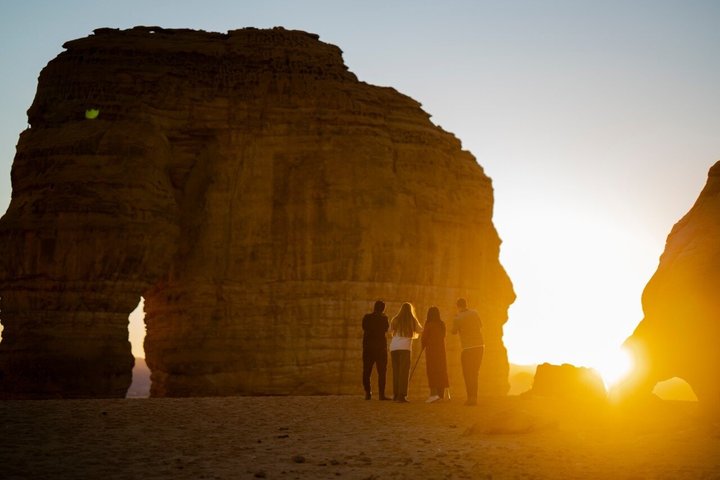
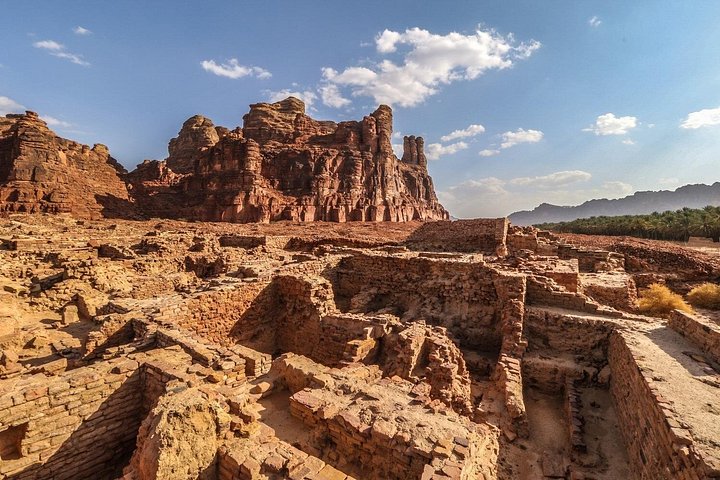
The one must-book is Hegra, where only a limited number of tours run each day and self-driving is not allowed. Dadan and Jabal Ikmah work the same way. The hot-air balloon and any concert at Maraya also need advance booking. Old Town, Elephant Rock and Harrat Viewpoint are free and need no tickets.
How to get around
AlUla is spread out, and there is little public transport. Most visitors rent a car, hire a driver, or join tours, which handle Hegra and Dadan anyway. Taxis and a ride-share app work between sights, but book ahead in busy periods. Plan on twenty to thirty minutes of driving between most sights, and leave a little slack before tours, which start from meeting points such as Winter Park and run on a fixed schedule.
How many days
With one day, take a half-day Hegra tour in the afternoon and finish at Elephant Rock for sunset. With two days, add Dadan and Jabal Ikmah and an evening in Old Town. With three days, add Maraya, a morning balloon flight, and a stargazing night or the Harrat Viewpoint. A fourth day suits a safari in the Sharaan Nature Reserve. If your trip is short, protect the Hegra tour and one sunset, and treat everything else as a bonus.
A simple three-day plan
On day one, take a late-morning Dadan and Jabal Ikmah tour, lunch in Old Town and a Hegra tour at four. On day two, rise for the balloon if it suits your budget, rest in the afternoon, then see Maraya and the reflections at sunset. On day three, take a slow Old Town walk, then Harrat Viewpoint for sunset and the telescopes.
What to wear and bring
Dress modestly, with loose clothing that covers shoulders and knees, and bring layers because desert nights can be cold. Closed shoes, sun cream, a hat and a refillable water bottle matter more than anything, and a light scarf is handy for sun and wind. Alcohol is not served in Saudi Arabia, so plan evenings around coffee, mocktails and food.
Where to stay
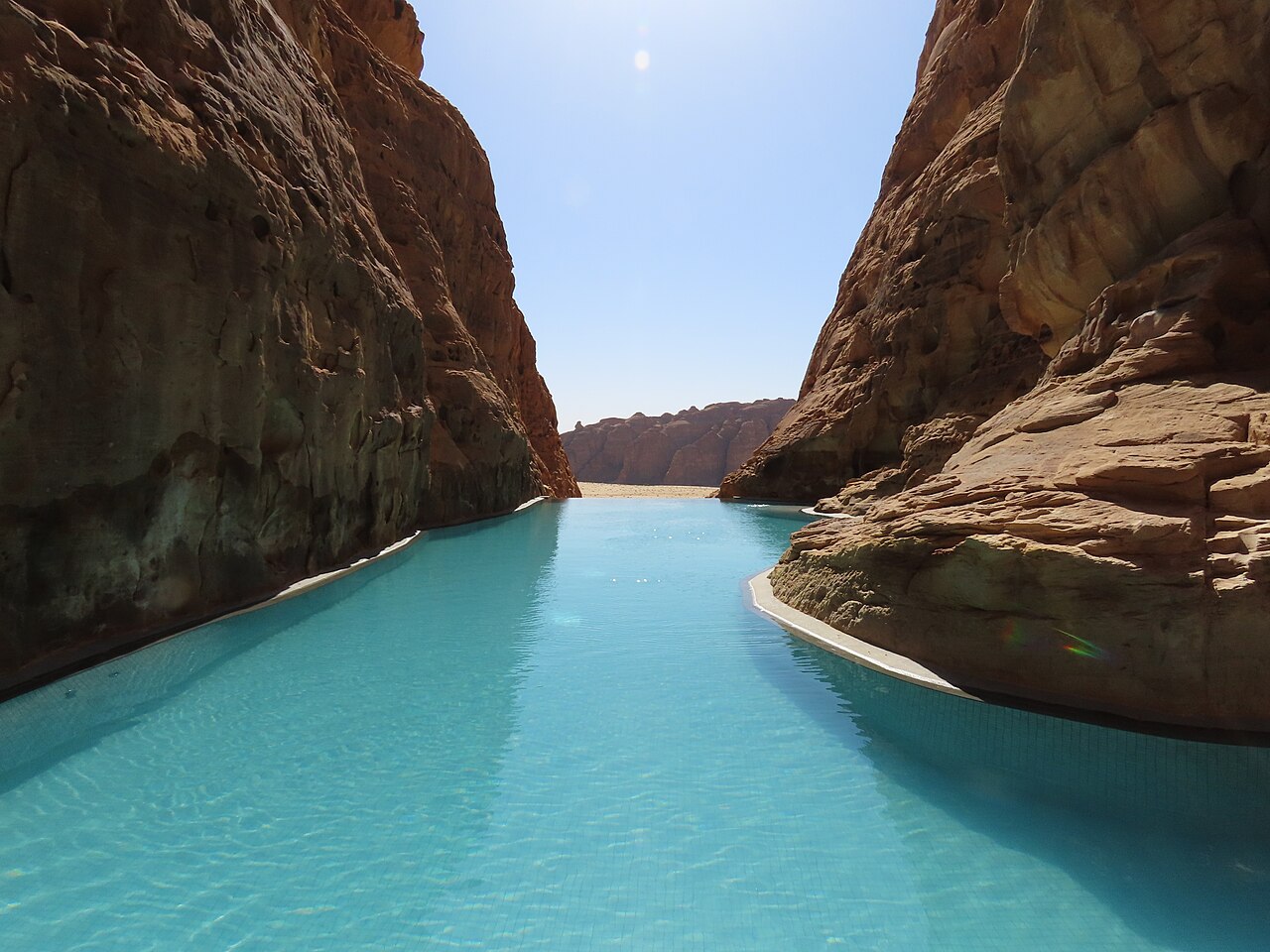
The valley resorts are quiet, the Old Town hotel puts you among the cafés, and the town-edge options are the best value. The where to stay guide explains the differences in more detail, and the hotels here cover the range from a luxury villa resort to a bungalow complex with kitchenettes.