Aruba is a year-round destination. The island sits well south in the Caribbean, with a dry climate, steady sunshine and a constant sea breeze that keeps the heat comfortable. The question is rarely whether the weather will cooperate; it is how crowded and how expensive you want your trip to be, and which activities matter most. Here is how the seasons tend to differ.
High season: the dry, busy winter months
From roughly mid-December through the spring, Aruba draws its biggest crowds. Hotels are fullest, rates are highest and the best beachfront rooms, catamaran departures and jeep safaris need booking ahead. The weather is dry and warm, the nights are pleasant and the beaches are lively. This is the best time for travelers who want a full program of dining, sunsets and nightlife, and who do not mind planning early. Holiday weeks are the most demanding, so book flights, rooms and the key tours well before you travel.
Shoulder seasons: the sweet spot
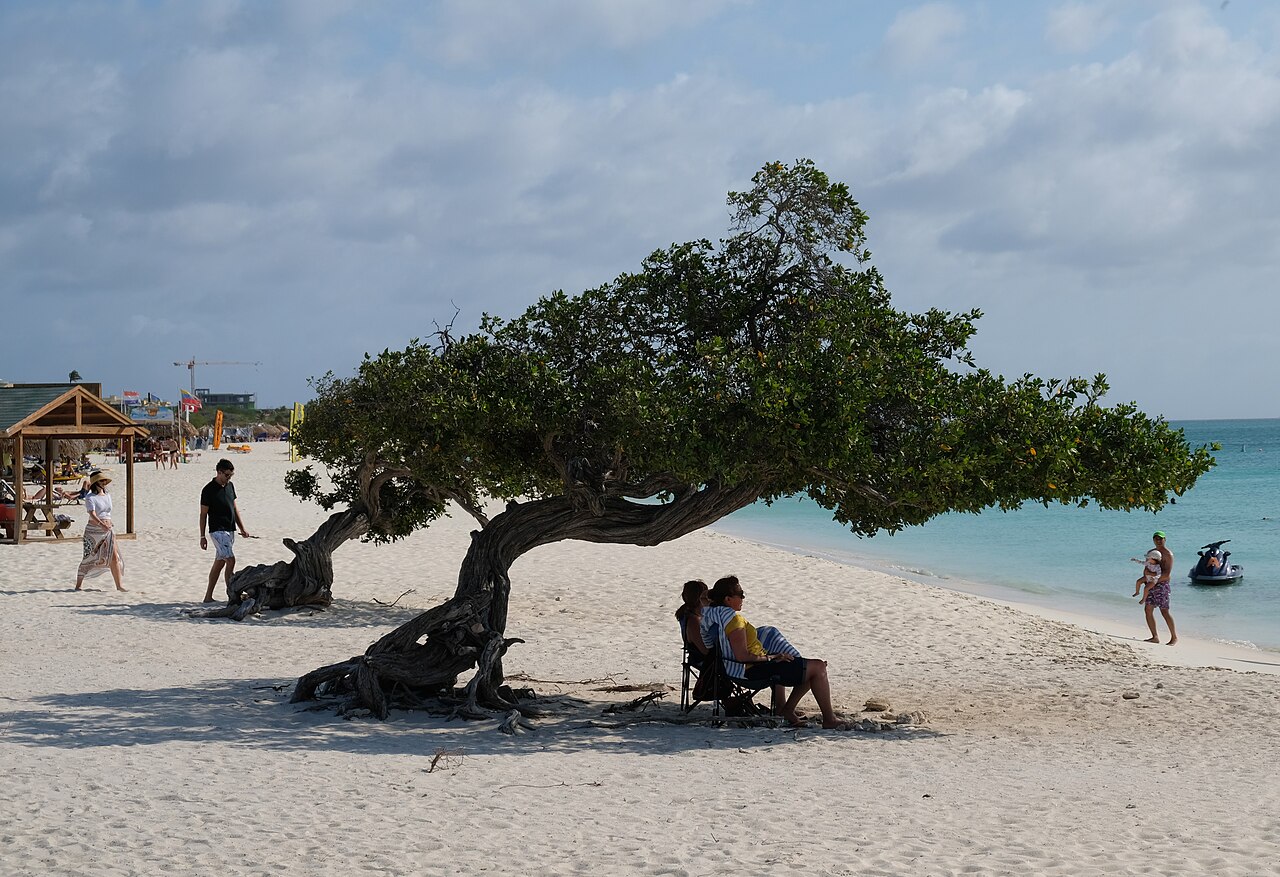
The weeks either side of the busy winter period often combine good weather with calmer beaches and easier booking. Hotel rates are usually lower than at the peak, restaurants are less crowded and you can often choose a morning sail or safari on shorter notice. If your dates are flexible, this is the most comfortable time for couples and for anyone who values space on Eagle Beach and Palm Beach.
Low season: warmer, quieter and better value
In the hot months of summer and early autumn, the island is quieter, and many hotels offer their best rates. The trade-off is heat, so plan your days around early mornings and late afternoons and keep the middle of the day for the pool, a shaded palapa or an air-conditioned stop. Aruba sits south of the main hurricane track and is known for staying drier than many other Caribbean islands, although weather can still change, so keep travel insurance and flexible plans in mind. Brief showers are more common in the cooler, wetter months toward the end of the year, but they usually pass quickly and rarely spoil a whole day.
Wind and the sea
The trade winds blow almost constantly, which is a gift on hot days and a limitation on others. The west and southwest coasts, home to Eagle Beach, Palm Beach and the catamaran departures, are sheltered and have calm water, while the north and east coasts are rough, which is why the Natural Pool sits in a protected cove and swimming there depends on the sea on the day. Windy days are ideal for kitesurfing and windsurfing, but less pleasant for loose beach umbrellas and light clothing. Boat trips generally run all year, though operators may adjust or cancel in rough conditions.
Wildlife and nature
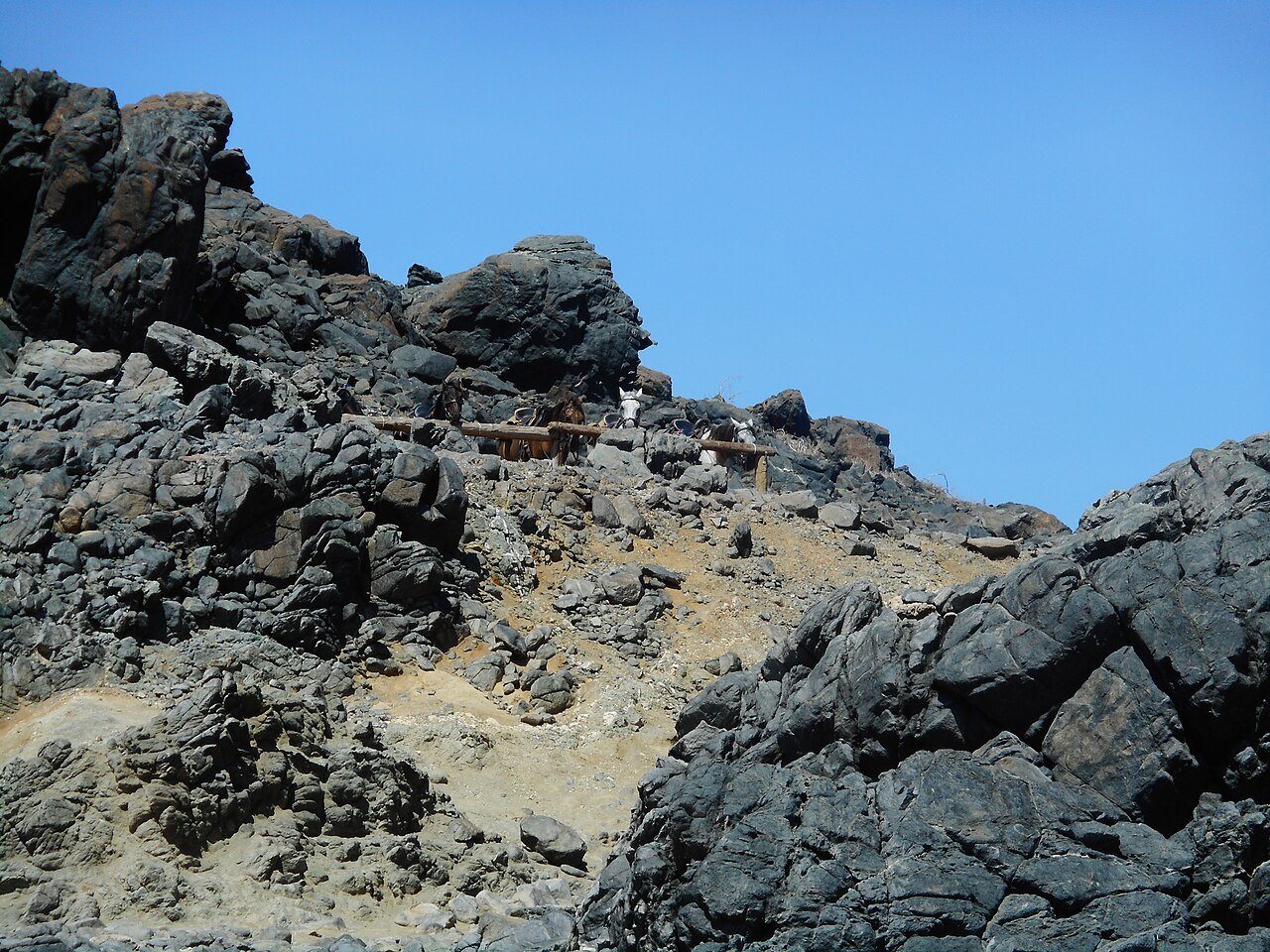
Sea turtles nest on Eagle Beach and other sandy stretches during the nesting season, which covers a large part of the warmer part of the year. Keep your distance, avoid lights at night and follow posted guidance. The Arikok National Park and the rock formations are best in the cooler hours, so book morning tours and carry plenty of water, whatever the season.
Choosing by priority
If you want guaranteed dry weather and a busy atmosphere, pick the winter high season. If you want calmer beaches and a better chance of a bargain, aim for the shoulder weeks. If you are traveling with children and prefer quieter beaches and lower rates, the low season can work well, as long as you plan around the heat. For honeymooners and couples, the shoulder season offers romantic sunsets with fewer crowds, and adults-only properties such as Bucuti & Tara are worth booking early whichever season you choose.
Hotels and planning
Rates move with the season, so compare prices and room types across a few weeks before you commit, and consider whether a package with breakfast or a resort credit is worth it. Eagle Beach hotels suit calm, sunset-focused trips in any season, while Palm Beach resorts such as the Hyatt Regency make sense when you want activity and convenience. Whenever you go, allow flexibility for one windy or showery day and keep a back-up plan, such as the Butterfly Farm or the Atlantis Submarine, in your pocket.