Aruba has a reputation as an expensive island, and flights and beachfront hotels certainly cost money. But once you arrive, a surprising amount of what makes the island special is free. Every beach is public, many of the best sights charge little or nothing and the island is small enough that getting around does not have to be costly. The trick is to choose where to spend and where to save.
Start with the free beaches
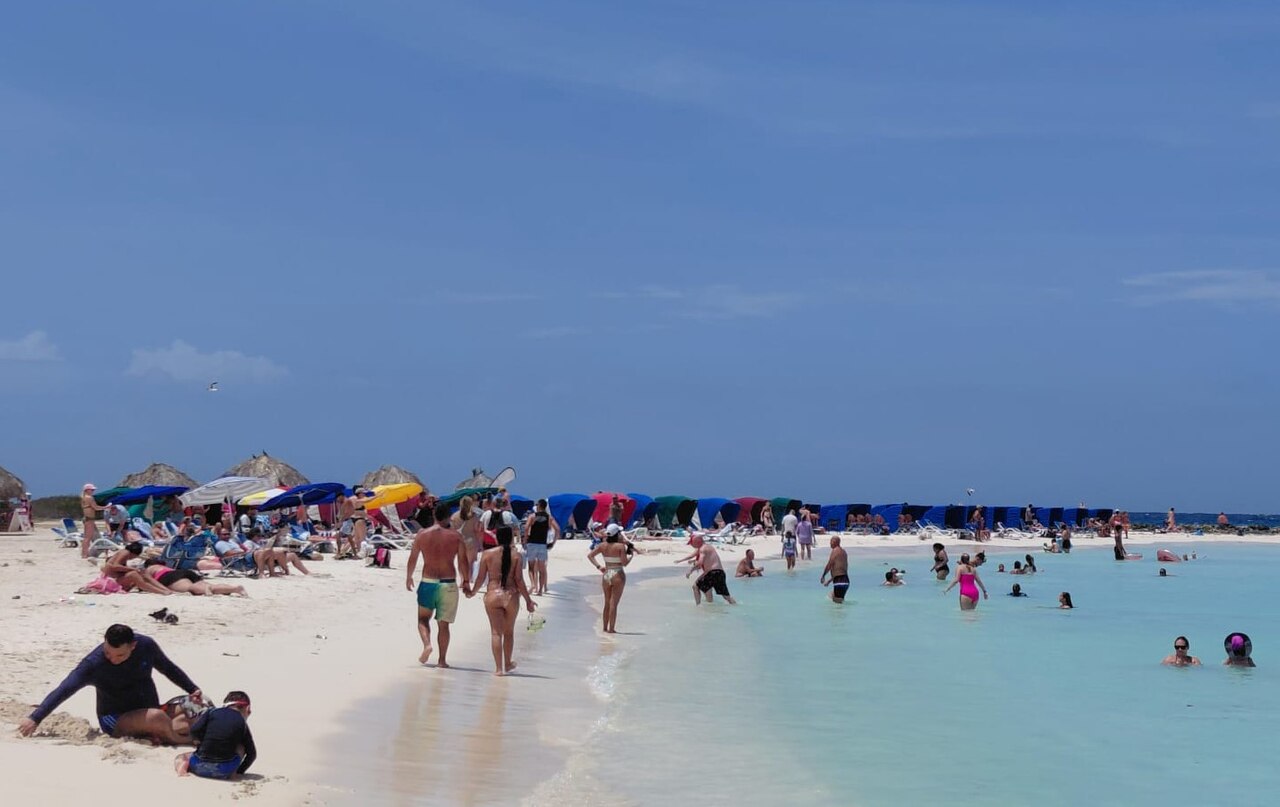
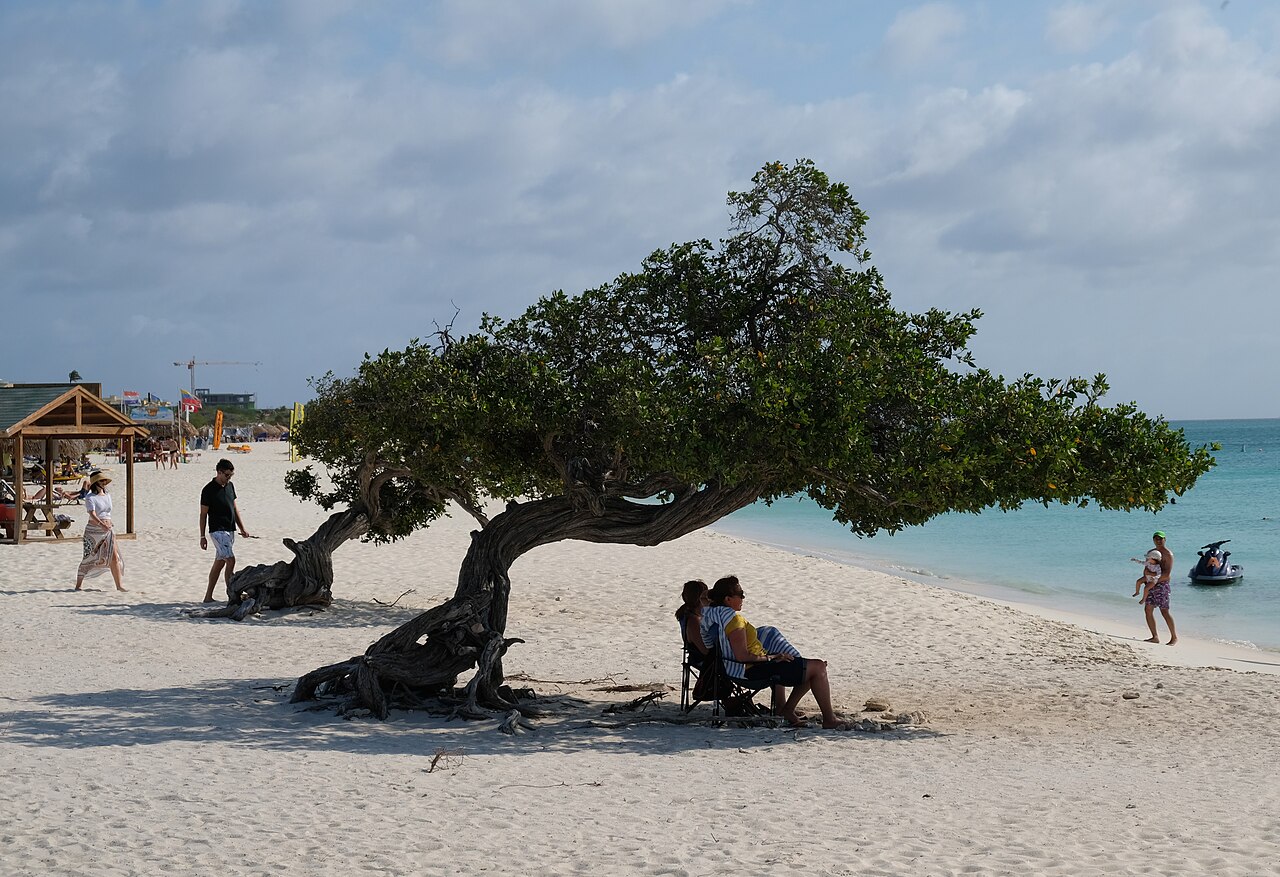
Eagle Beach, Palm Beach and Baby Beach are all open to everyone with no entrance fee. Eagle Beach has wide soft sand, calm water and the famous fofoti tree, and it is the best everyday beach. Palm Beach has bars, restaurants and water sports within reach, and Baby Beach on the south side has a shallow sheltered bay that suits families and weaker swimmers. You pay only for what you rent, such as a palapa or an umbrella, so bring your own umbrella, water and snacks to keep costs down, and stay inside the designated swimming areas.
Build a free sightseeing loop
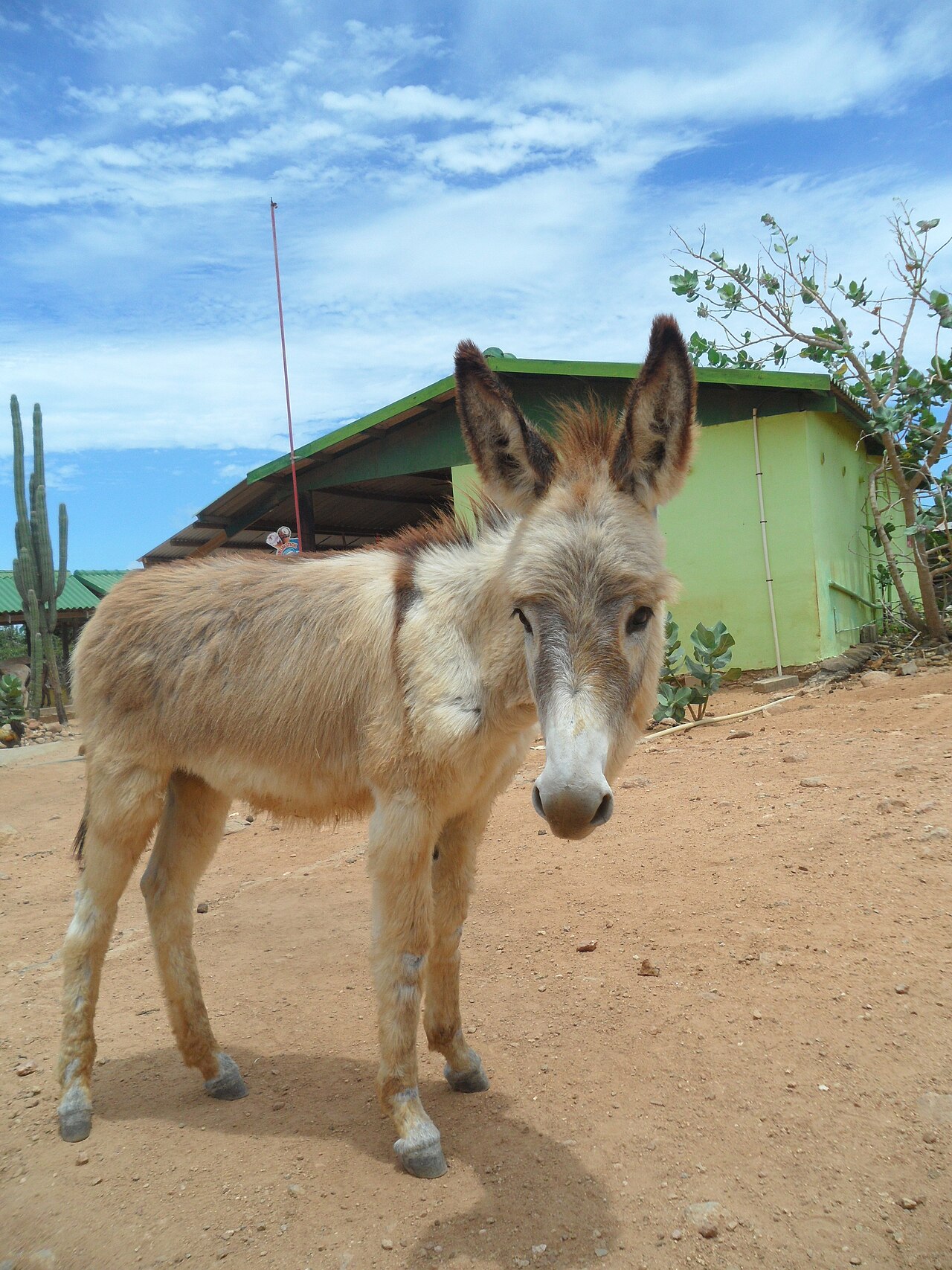
A car or a shared taxi opens up a day of low-cost sights on the north coast and in the interior. The Bushiribana gold mill ruins are open to the public with no admission fee, the Alto Vista Chapel is a quiet, free stop, and the Casibari and Ayo rock formations let you climb giant boulders and see ancient rock drawings. The California Lighthouse charges a small fee for the climb. The Donkey Sanctuary on the south side has no admission fee, though donations help the animals, and you can bring apples or carrots. Together these fill a day with little more than transport and lunch.
Choose a base that saves money
Beachfront resorts take the biggest share of a budget, and the island's apartment-style hotels can bring costs down. Aruba Blue Village in Noord has studios and one and two-bedroom apartments, a pool and a restaurant, and is close to beaches and bars though not on the sand. Booking early and traveling outside the busiest weeks usually helps, and a place with a kitchen or kitchenette lets you cook breakfast and some dinners. All-inclusive resorts such as the Riu Palace Aruba, Divi Aruba and the Holiday Inn Resort can also be good value for a group because meals and drinks are part of the rate, but compare what each rate covers.
Eat and move around smartly
Local snack places, food trucks and casual restaurants away from the beachfront cost less than the resort strip, and supermarkets are handy for breakfast items and water. The public bus connects the airport, Oranjestad and the main resort areas at low cost, and taxis make sense for groups and for late evenings. Rent a car for a single day if you want to see the north coast and the south side on your own, rather than for the whole week. Pre-arranged airport transfers can be reasonable for groups.
Pick one or two paid experiences
Rather than booking everything, choose the activities that matter most. For snorkelers, a catamaran sail to the Antilla shipwreck is the island's best-known water outing. For nature lovers, the Arikok and Natural Pool jeep safari shows the wild interior in a half day, and the park fee is usually paid on top. For families, the Butterfly Farm, the Aruba Ostrich Farm and Philip's Animal Garden are modest in cost and popular with children. A walking tour of Oranjestad is an affordable way to learn the history of the capital. De Palm Island is a bigger spend but covers lunch, drinks and activities in one price, so it can work out well for a family day.
Save on small things
Bring a refillable water bottle, reef-safe sunscreen and a snorkel set if you have one, since rentals add up. Look for happy hour at beachfront bars and share large plates. Check what your hotel includes, such as breakfast, beach towels and transfers, so you do not pay twice. Finally, travel outside the peak holiday weeks if you can, because shoulder-season rates are often noticeably lower and the beaches are calmer.
A sample budget day
Morning on Eagle Beach with a picnic, lunch at a casual spot, an afternoon on the north coast visiting the lighthouse, the chapel and the ruins, and sunset back on the sand. It costs little, and it shows why Aruba is more than a resort destination.