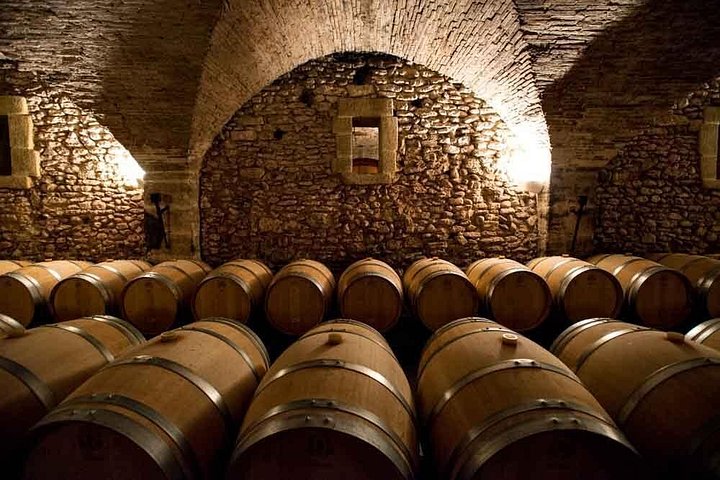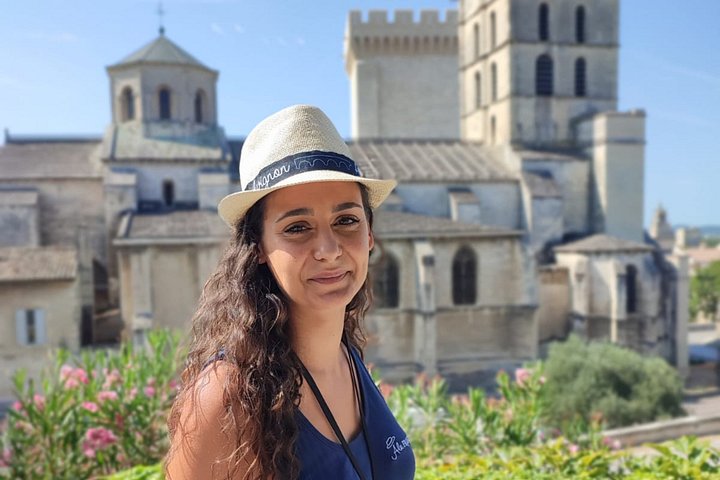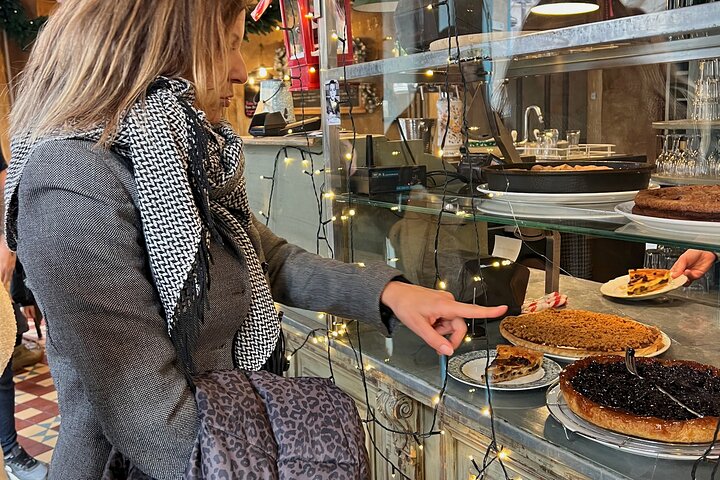
Avignon has a serious food culture hidden behind its tourist sights, and a good walking tour is the quickest way into it. This guided culinary tour takes small groups through the old town, pausing at independent shops, bakeries and food stalls to taste local products and hear how they are made. The tastings reflect the region around the city: olive oil and tapenade, cheeses, charcuterie, bread and pastry, fruit and vegetables from nearby farms and wines from the Rhône valley. Between stops, the guide explains how Provençal cooking works, with its reliance on olive oil, garlic, herbs and the seasons, and tells the stories of the squares and lanes you walk through. The pace is slow and the group is small, so there is time to ask questions about ingredients, ordering in French and where to eat later in the evening. By the end you have eaten what amounts to a long lunch, learned some practical vocabulary and gained a mental map of the old town that makes the rest of your stay easier. Read the tour page for the exact stops and what is included, because routes and tastings are adjusted with the seasons and the producers.
Tours like this work best at the start of a stay. On your first day you can ask the guide for advice that shapes every meal afterwards: which streets are good for a casual lunch, where locals buy bread, how the weekly market rhythm works and which regional specialities to order. A guide also helps with the cultural side of eating in France, from the habit of long lunches to the unwritten rules about greeting shopkeepers.
Vegetarians and people with allergies should contact the operator before booking, because tasting stops are built around specific products and swapping them is not always possible. Mention dietary needs when you reserve, not when you arrive.
Come hungry and dress for walking. You will be on your feet for a few hours on cobbled lanes, and you will probably be offered more food than you expect, so have a light breakfast and skip the large lunch. In summer, wear a hat and carry water, and in winter dress warmly because some of the tasting happens outdoors.
The tour runs through the year, but the seasons change what is on offer, with summer fruit and vegetables, autumn mushrooms and wines and winter truffles and citrus all making appearances in the region. Reserve ahead in high season, since small-group departures fill up quickly, and arrive a few minutes early at the meeting point so the group can start on time.
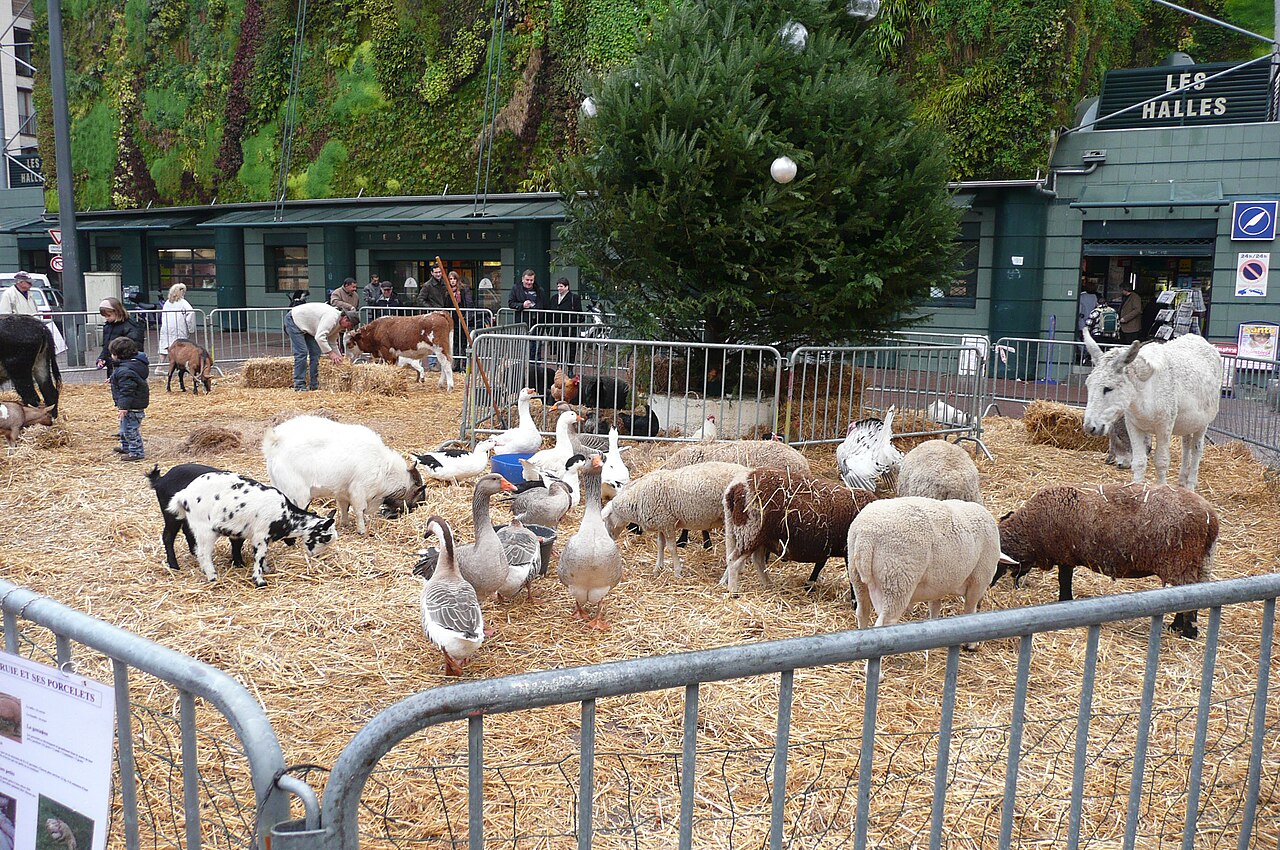
Choose this tour if you value local knowledge and enjoy learning while you eat. If you prefer to forage on your own, a morning at Les Halles covered market and a self-planned lunch will cost less and give you more freedom. If your interest is wine, a Châteauneuf-du-Pape day goes much deeper into the vineyards.
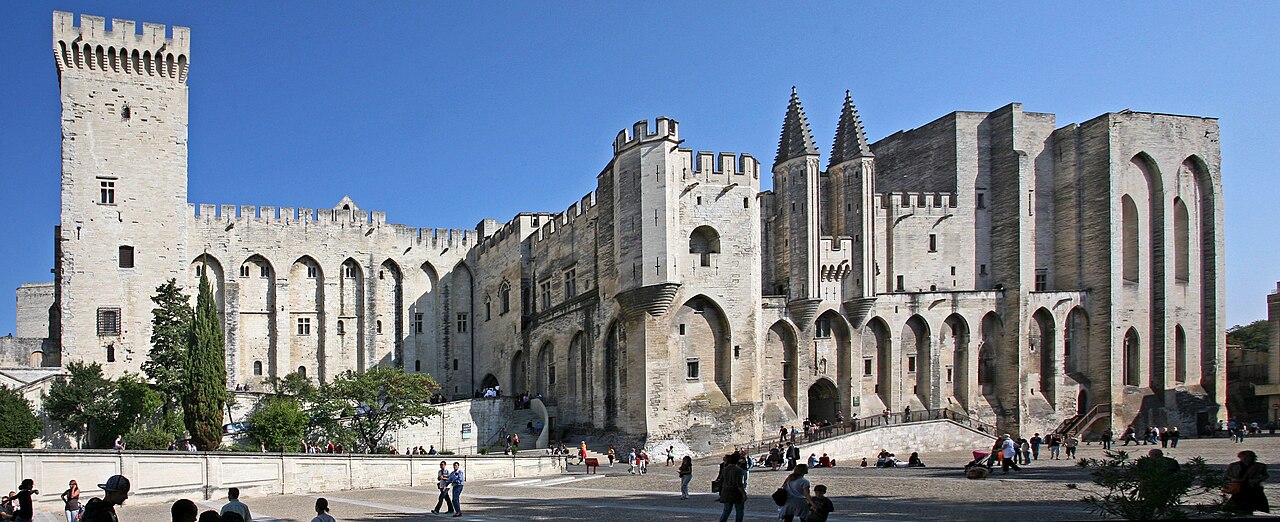
For first-time visitors who want a friendly introduction to the city, its people and its flavours, a culinary walk is one of the most enjoyable ways to spend a few hours, and it pairs naturally with an afternoon at the Palais des Papes.
What to expect
The experience
A guided walking tour of the old town with several tasting stops at local food and drink producers, led by a local guide who explains Provençal cooking and the city's history.
Best time
Early in your stay, so you can use the guide's tips for the rest of your meals.
How long
A few hours, with plenty of walking and tasting.
Tips
Come hungry, wear comfortable shoes, tell the operator about dietary needs when you book and read the tour page for the exact stops.
Quick picks
- Best for
- Food lovers and first-time visitors who want a friendly introduction to Provençal flavours and the old town.
- Families
- Best for children who enjoy trying new foods, though the walking and the length can tire younger ones.
- Couples
- A relaxed, sociable few hours that doubles as lunch.
- Pair with
- The Palais des Papes in the afternoon, or a Châteauneuf-du-Pape wine tour on another day.
- Time needed
- A few hours, and skip a separate lunch.
Good questions
What will I eat on the tour?+
Tastings reflect Provençal food, such as olive products, cheeses, charcuterie, bread, pastry, produce and local wines. The exact stops are on the tour page.
Can the tour handle dietary restrictions?+
Contact the operator when you book. Stops are built around particular products, so some restrictions are easier to handle than others.
Should I eat before the tour?+
Have a light breakfast only. The tastings add up to a substantial meal.
Is it better than visiting the market on my own?+
It offers more explanation and access, while a self-guided visit to Les Halles is cheaper and more flexible. Many visitors do both.
When should I book?+
Book ahead in high season, since small-group departures fill up quickly.