Bahrain has a desert climate with two real seasons, a long hot summer and a short, delightful winter, and the best time to go depends on what you want to do. The simple rule is that the cooler months from November to March are the most comfortable for sightseeing, while the long summer is best treated as a pool-and-mall season. The details below will help you plan around heat, humidity, holidays and busy weeks.
Winter: November to March
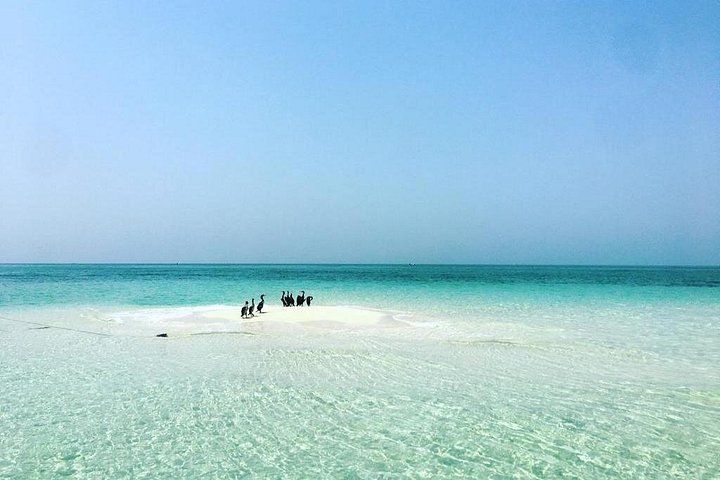
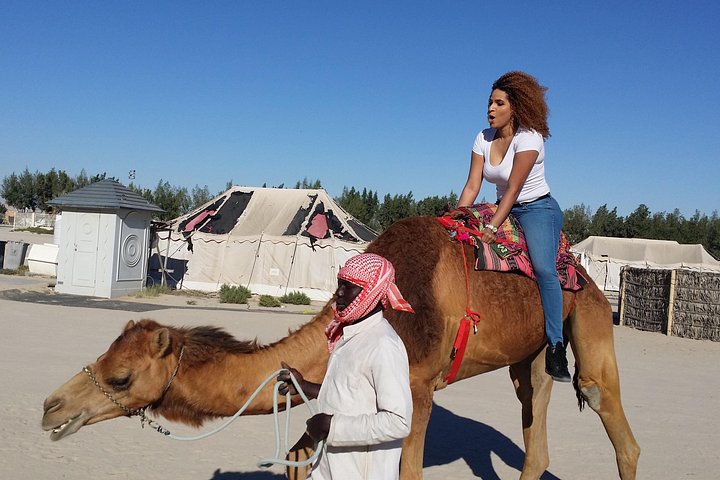
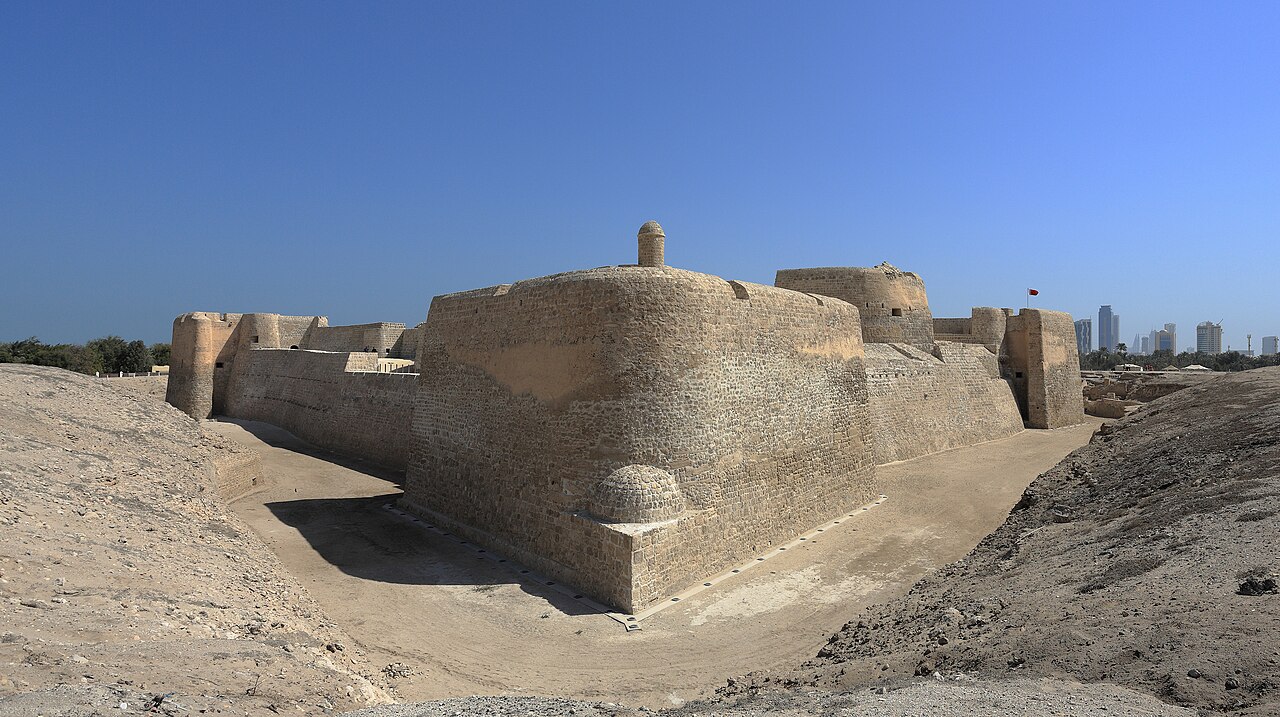
This is the main season, with warm, sunny days and cool evenings. Daytime temperatures typically sit in the low-to-mid twenties Celsius, with the coolest nights in January and February, when a light jacket is welcome. Skies are often clear, rain is rare and falls in short showers, and sea breezes make walking in the open pleasant. Every outdoor activity in this guide works best now: the Bahrain Fort and Pearling Path, the burial mounds, the Tree of Life, the desert tour and boat days to Jarada Island. It is also the time for terrace dining and rooftop pools. The downside is higher prices and fuller hotels, so book accommodation and guided tours early.
Shoulder months: October and April
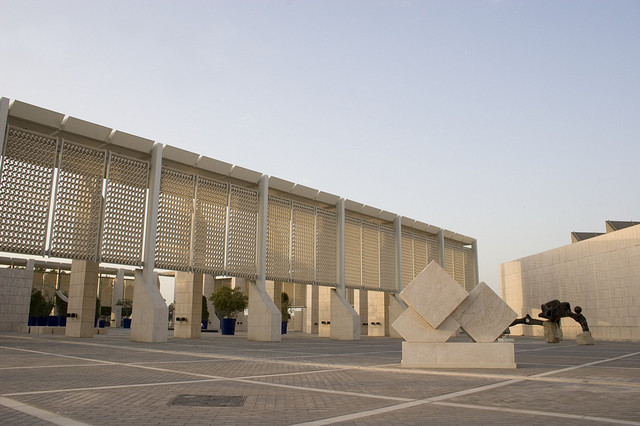
These months can be very pleasant, with warm sunshine and lower prices, but the heat builds quickly. Early mornings and evenings are comfortable, while midday can already feel strong. Plan outdoor sights for the beginning and end of the day, and use the National Museum, Beit Al Quran and the souq for the middle. Sea temperatures are warm, so boat trips are still enjoyable if you protect yourself from the sun.
Summer: May to September
Summer is very hot and humid, with daytime temperatures that often go well above 40 degrees Celsius and heavy humidity near the coast. Outdoor sightseeing is hard except early in the morning or after sunset, and many locals travel. The advantages are lower hotel rates, cooled shopping malls, indoor attractions and hotel pools. If you travel now, plan the National Museum, Beit Al Quran, the souq in the evening and the pools, and treat the fort and the desert as early-morning or sunset activities. Drink water constantly and avoid strenuous midday activity.
Ramadan and religious holidays
The Islamic calendar moves earlier each year, so Ramadan falls in different seasons from year to year. During Ramadan, daytime life slows down, many restaurants and cafes close until sunset, hours at attractions are shorter and eating or drinking in public in daylight is discouraged. In the evening the city comes alive for iftar and late-night gatherings, which can be a wonderful time to experience local hospitality. Eid holidays bring family travel, special events and busy roads and hotels, so book early and check opening hours.
Weekends, events and closing days
The Bahrain weekend is Friday and Saturday, so many families head to pools, beaches and malls then, and several sights close on Fridays, including the Al Fateh Grand Mosque and Beit Al Quran. The National Museum and the Pearling Path are normally closed on Tuesdays. Major events, especially international motorsport weekends at the Bahrain International Circuit and large conferences, push hotel prices up and fill rooms, so check the calendar before fixing dates if you want a quiet stay or a bargain.
What to pack and how to adapt
In winter, bring light layers, a jacket for evenings and for air-conditioned spaces, comfortable walking shoes and a scarf for mosques. In summer, bring loose cotton clothing, a wide-brimmed hat, sunglasses and high-factor sunscreen, and plan for lots of indoor time. Air conditioning is strong almost everywhere, so a light layer is useful even in the hottest months. Because the sun is intense all year, carry a refillable bottle and top it up often.
A note on sea and sky
Water temperatures follow the air: the Gulf is pleasantly cool in winter and bath-warm in late summer, so boat days and beach time feel best in the shoulder seasons and winter. Dust and haze can reduce visibility on some days, particularly in spring, so photographers should be flexible. Sunrise and sunset times shift modestly through the year, which affects when the fort and the Arad Fort walls glow, but the golden hours are always the best time for pictures.
Choosing your month
For the best overall experience, aim for late November through February, with a second choice of March. If you want fewer crowds and lower prices and can tolerate heat, October and April work. If you only have summer dates, choose indoor sights, an evening itinerary and a hotel with a good pool, such as the Wyndham Garden or the Four Seasons. Whenever you go, check your government's travel advice and choose flexible fares and rates.