For its size, Bahrain has an exceptional heritage record. The kingdom has three UNESCO World Heritage Sites, and each tells a different chapter of the island's story: an ancient capital by the sea, a trail of pearl merchants' houses and a vast prehistoric cemetery. Together they show why Bahrain was a crossroads of trade between Mesopotamia, the Indus Valley and the Arabian Peninsula, and why it later became famous for pearls. This guide explains each site, how long to allow and how to put them together.
Qal'at al-Bahrain: the fort and the ancient capital
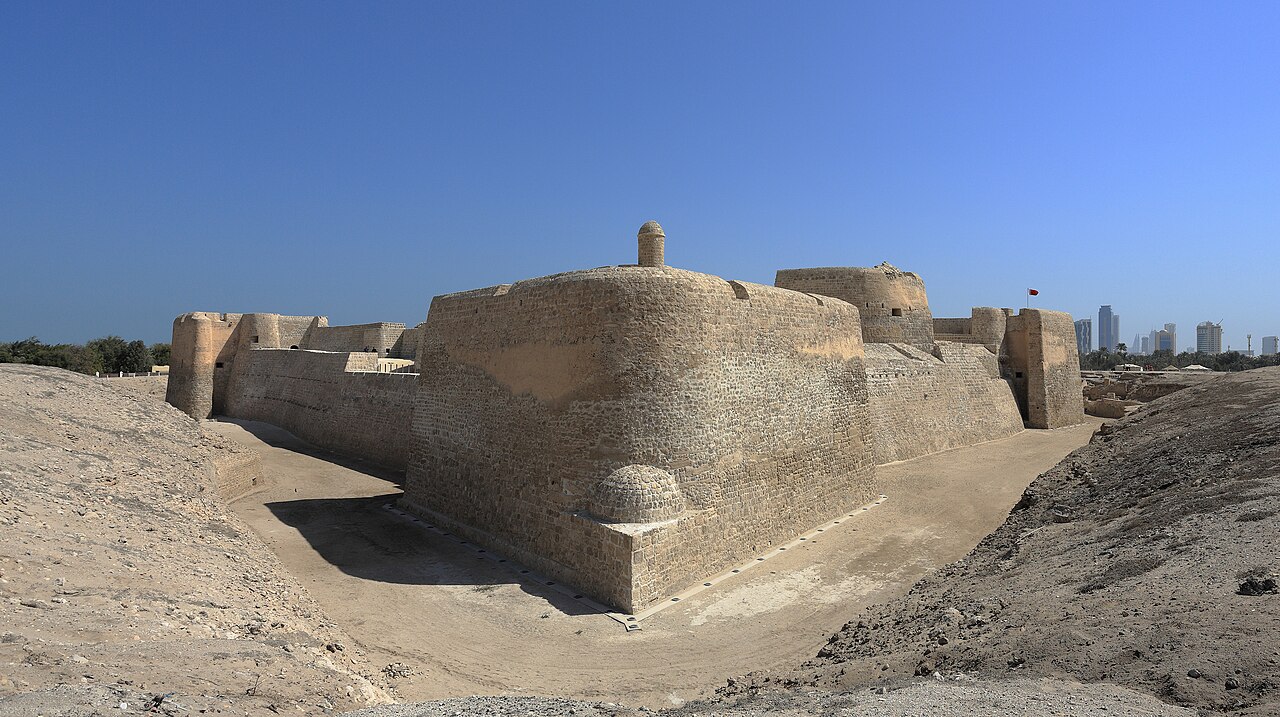
Inscribed in 2005, Bahrain Fort stands on a mound created by more than four thousand years of continuous occupation, and it is the best-known archaeological site in the country. Excavations show layers of city life from the Dilmun period onwards, and the Portuguese-era fort on top offers views to the sea and the palm groves. The site museum across the road displays objects from the digs. Allow about two hours, go early or at sunset, and use the free audioguides to understand the layers.
Bahrain Pearling Path: Testimony of an Island Economy
Inscribed in 2012, this is a series of buildings in Muharraq, including merchants' houses, shops, a warehouse, a mosque and the sea fortress at Qal'at Bu Mahir, with offshore oyster beds forming part of the story. It records the pearling industry that supported Bahrain for centuries until cultured pearls collapsed demand in the twentieth century. A guided walk brings the lanes alive, and a boat from the National Museum car park to Qal'at Bu Mahir adds the sea dimension. The path and boats are normally closed on Tuesdays, so plan accordingly. The Siyadi Majlis is a good stop for the architecture.
Dilmun Burial Mounds
Inscribed in 2019, this site protects a selection of the tens of thousands of grave mounds that dot the island, most dating from the Dilmun period of around 2200 to 1750 BC. The royal mounds at A'ali are the most visited, with vast earthen hills, some containing stone chambers. The sheer density of tombs tells you how important the island was to the ancient world. Visit early or late, bring water and avoid climbing on the mounds. The National Museum has a hall of reconstructed tombs that explains what you are seeing.
Sites that complement the three
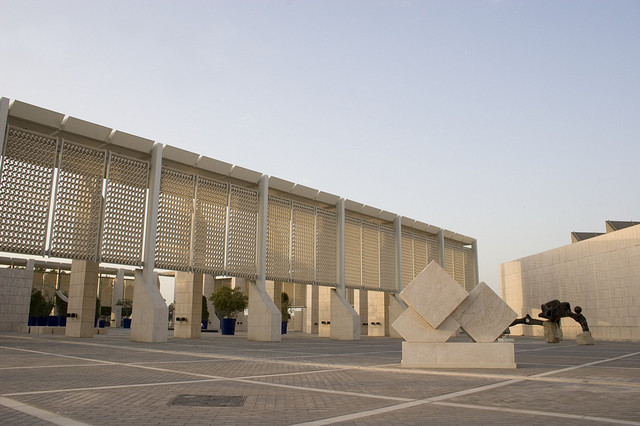
The Barbar Temples reveal Dilmun religion around a sacred spring, Arad Fort and Riffa Fort show later defensive architecture, and the Al Khamis Mosque with its twin minarets reflects early Islamic heritage. The Bahrain National Museum ties it all together and should be your first stop. Beit Al Quran and the Al Fateh Grand Mosque add the religious and cultural story of the modern kingdom. Check opening days, since some sights close on Fridays or Tuesdays.
Putting it together
In one day, you can see Bahrain Fort in the morning and the Pearling Path in the afternoon, with the National Museum the day before. In two days, add the burial mounds at A'ali, the Barbar Temples and Riffa Fort in the south. A full-day guided tour links several sites efficiently, while a private driver gives flexibility. Wear sturdy shoes, a hat and sun protection, dress modestly, carry water and visit in the cooler months, from November to March.
Reading the sites in order
If you can, see the National Museum first, then Bahrain Fort, then the Pearling Path, and finish with the burial mounds in the south. That sequence moves from overview to capital, to trade and finally to the ancient tombs, and each stop adds context to the next. Visiting in the opposite order still works, but you will get more from the mounds if you have already seen the reconstructed tomb in the museum. Guides are available at some sites, and a private driver-guide can tailor the order to your interests and the weather.
Where to stay
The Merchant House is the best base for exploring old Manama on foot, while the Four Seasons Bahrain Bay and the Gulf Hotel in Adliya are convenient for taxi trips to the coast and Muharraq. Because no site is more than about thirty minutes from central Manama, any of our hotels will work. Check your government's travel advice before you go and choose flexible rates.