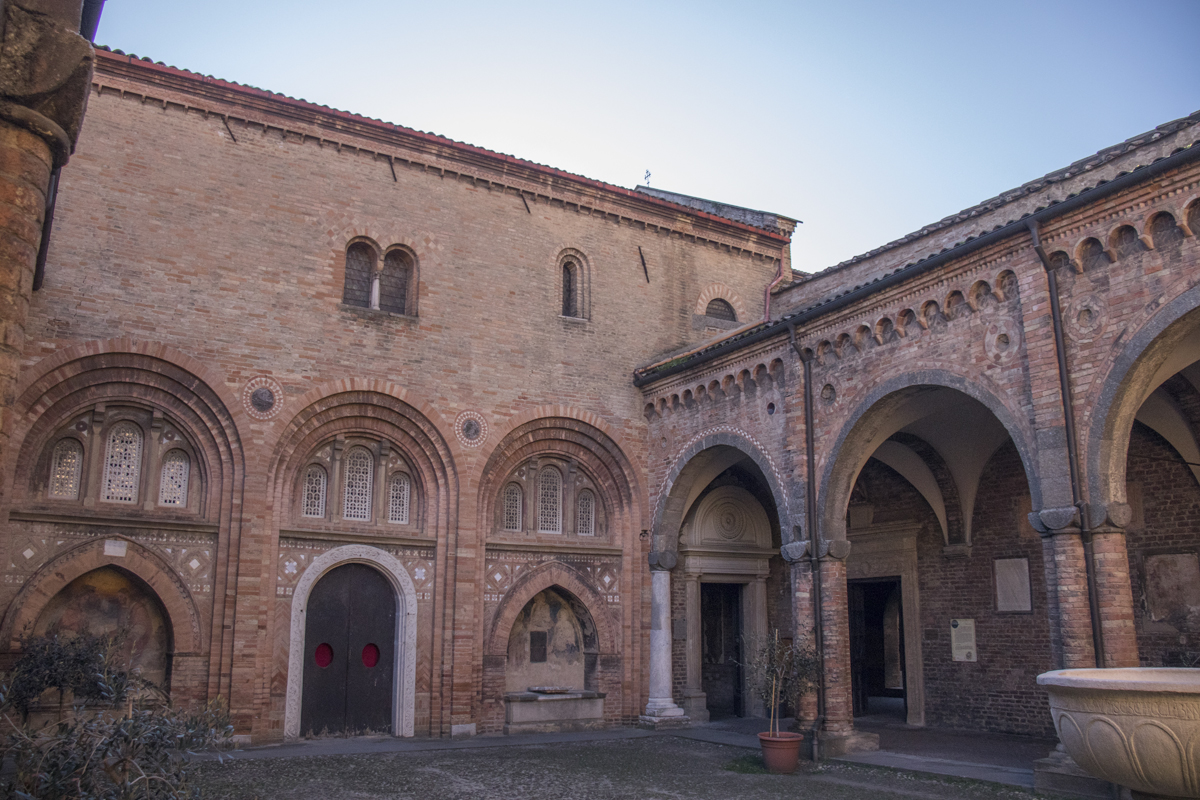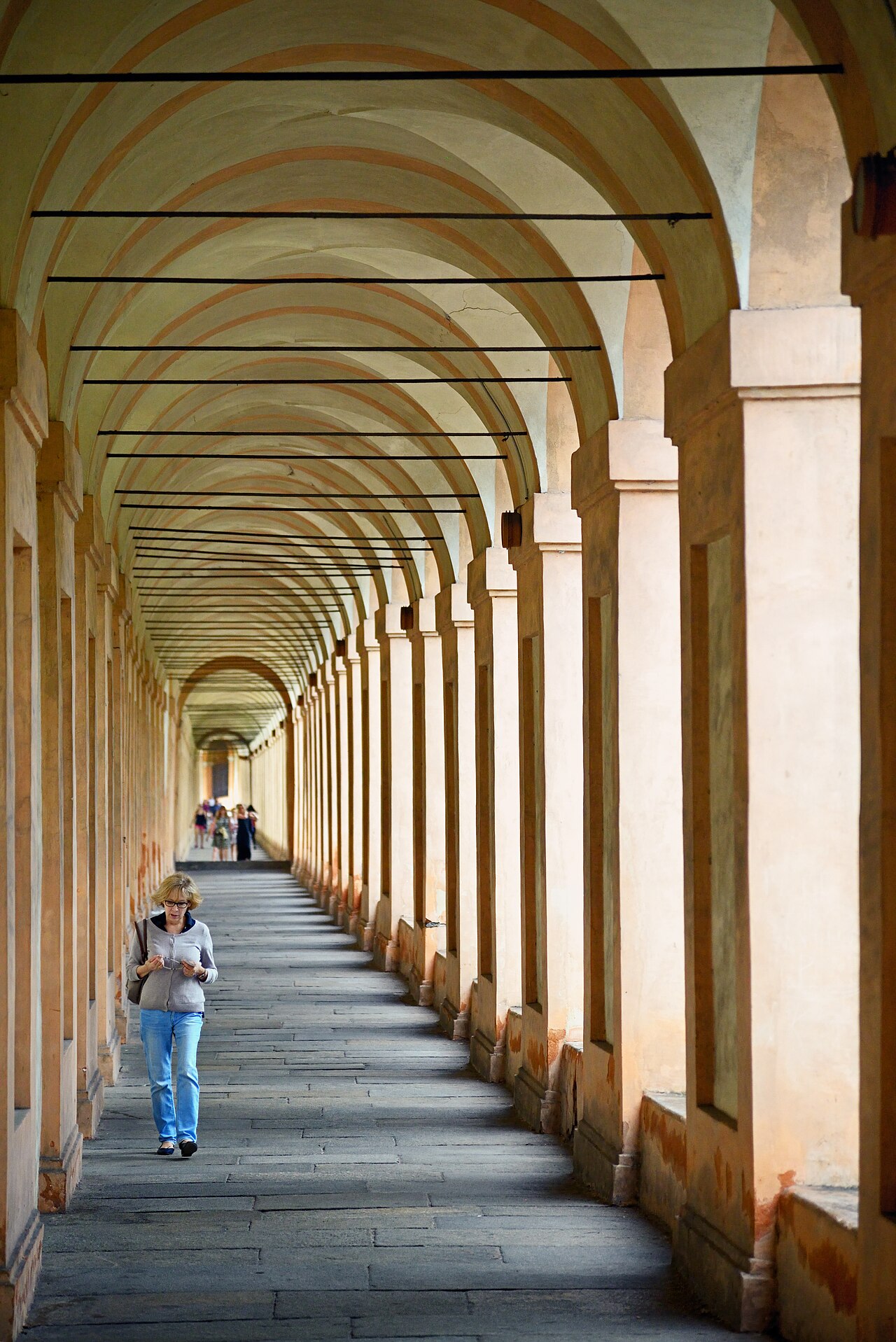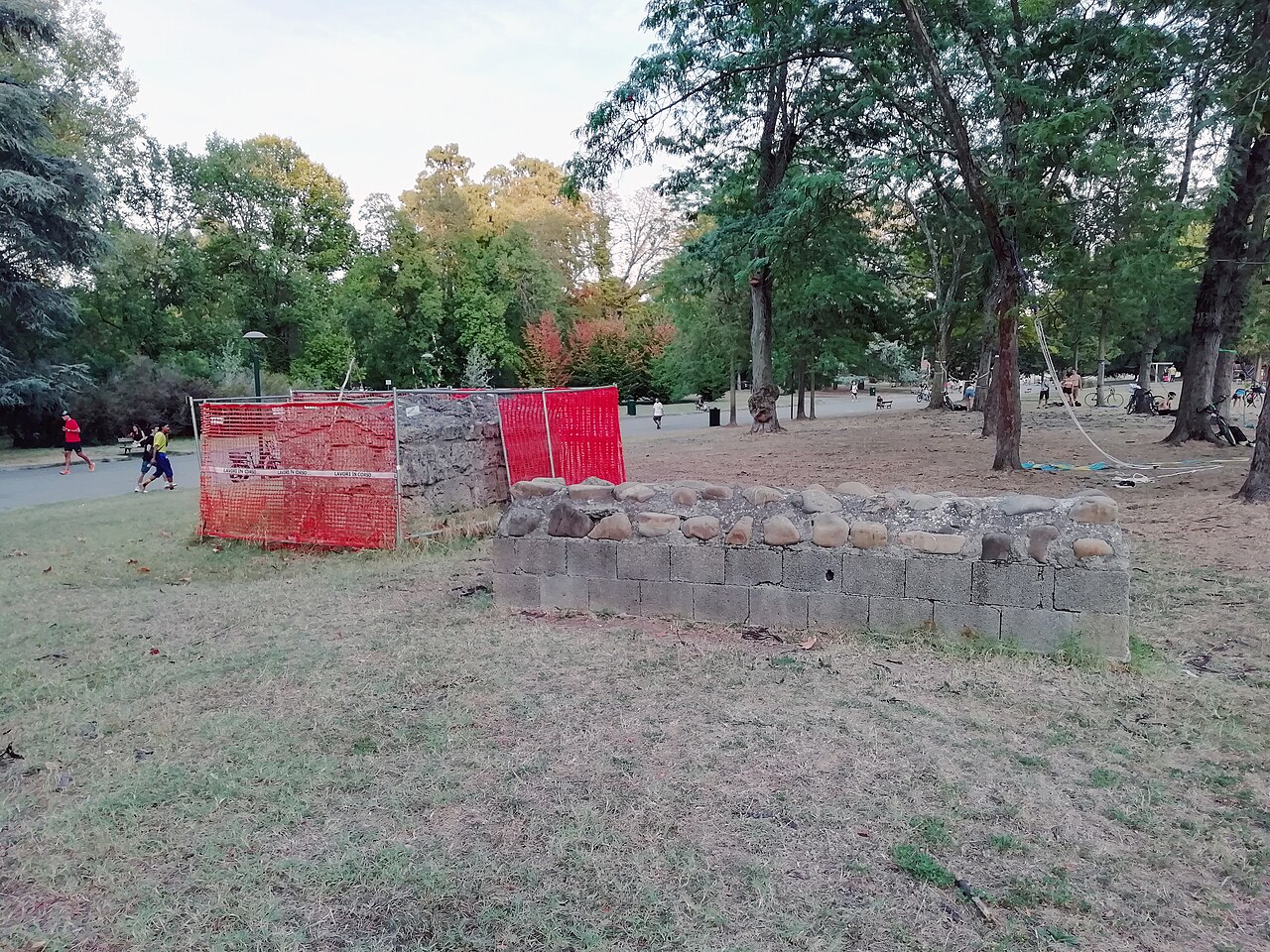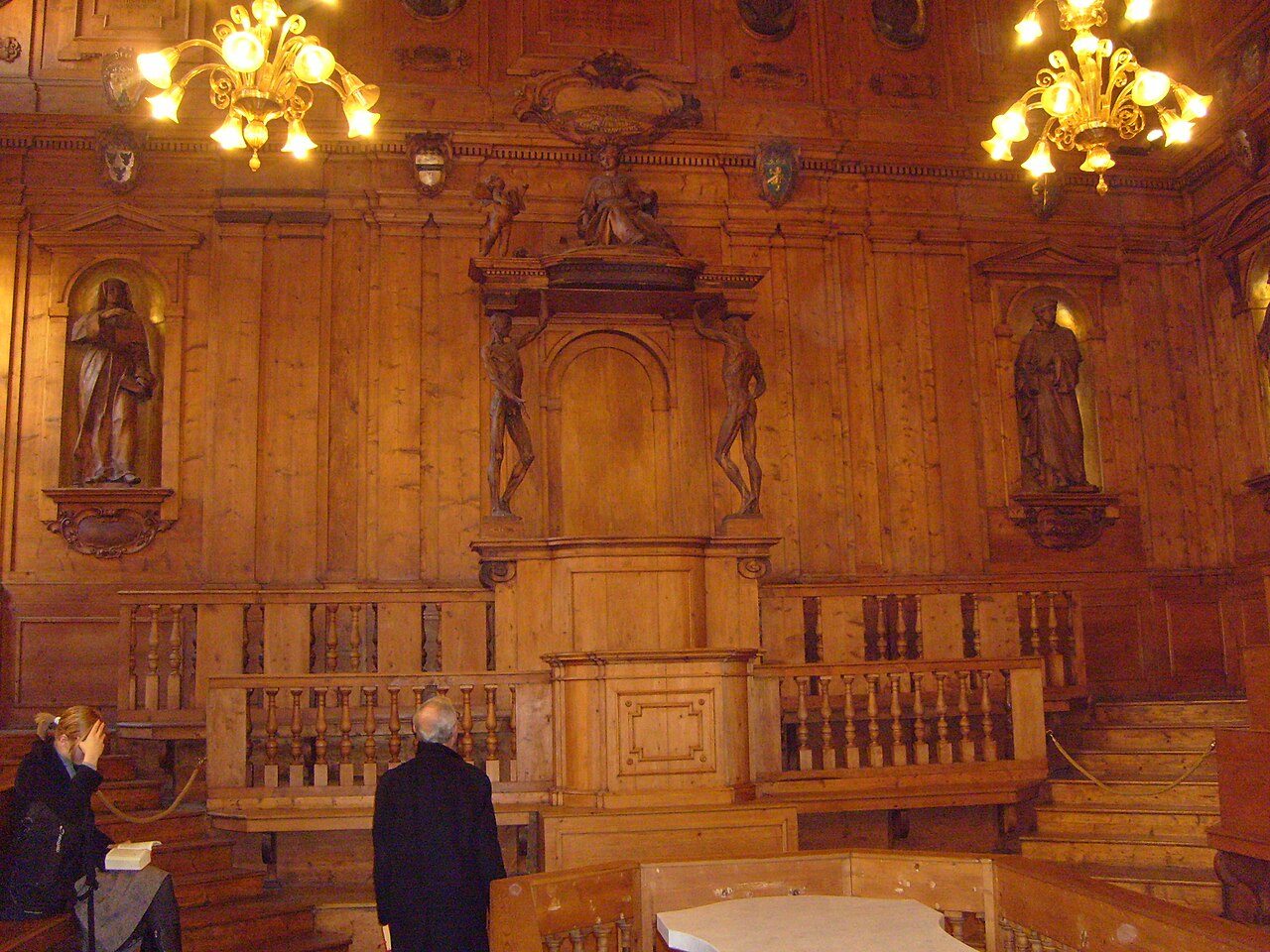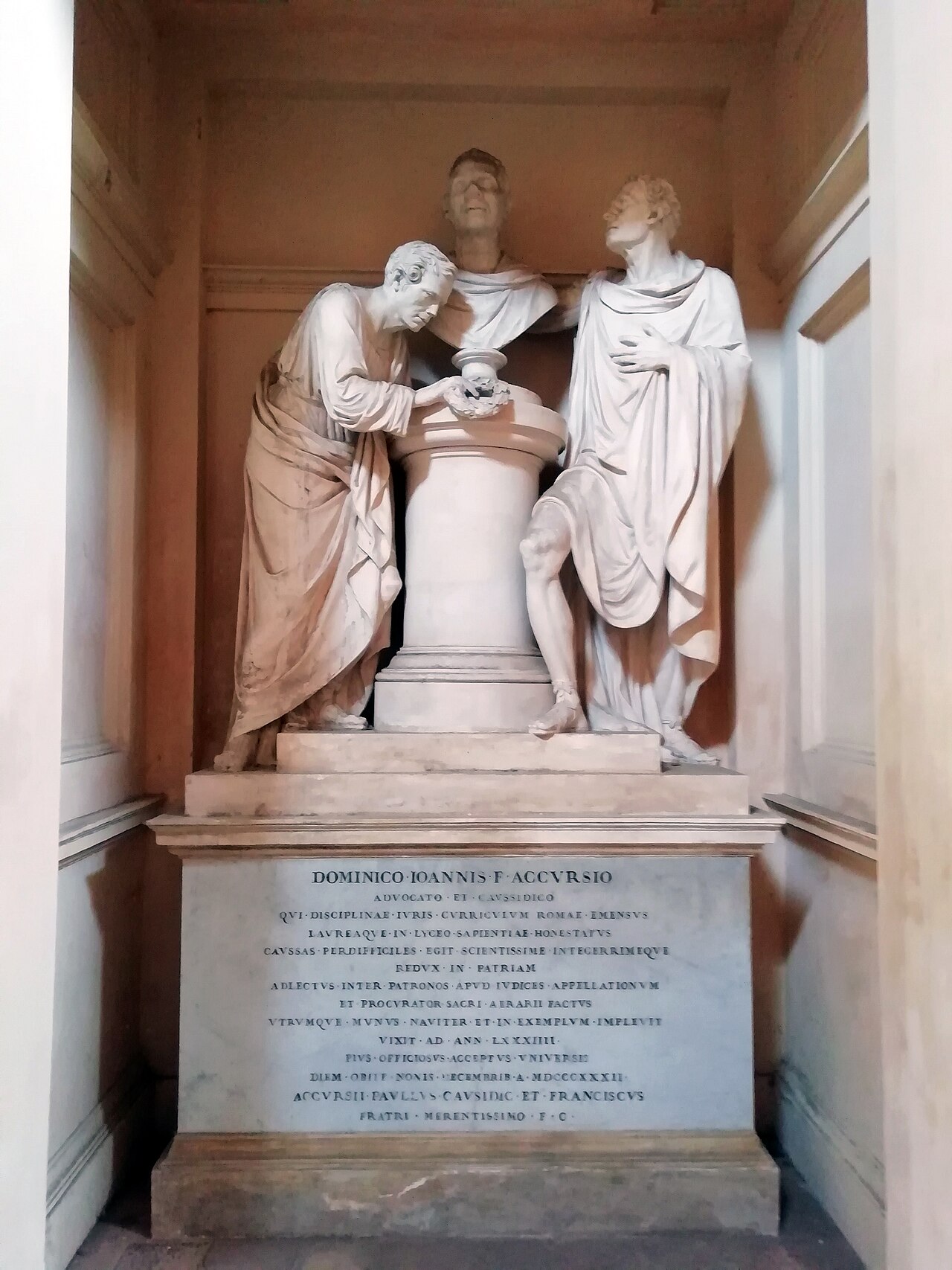
The Certosa di Bologna is a place of quiet, art and history that most short-stay visitors miss. It began as a Carthusian monastery, and in 1800 the authorities chose it as the city’s cemetery, because it lay outside the town with good air circulation and water. It opened in 1801 and became one of Europe’s oldest monumental cemeteries, with nineteenth and twentieth-century sculpture and architecture on a scale that rewards slow walking. The architect Ercole Gasparini designed the monumental entrance in 1802, and in 1811 planned a portico to link the cemetery to the Sanctuary of San Luca. The first burial areas were former monastic rooms, the Catacombs Hall dates from 1827, and in the central rooms you can find famous monuments such as the Pepoli-Murat and Angelelli tombs. Art Nouveau monuments line the boundary wall in the Campo degli Ospedali, and at the centre stands the ossuary of the fallen Partisans, designed by Piero Bottoni. Etruscan tombs were found here between 1869 and 1871, and the finds are now in the city’s archaeological museum.
How it works
Entry to the cemetery is free, and visitors walk through at their own pace. A brochure with a map covers 33 of the most significant tombs, and it is worth using because the site is large. The cemetery follows seasonal hours: from 3 November to 28 February it opens from eight in the morning until five in the evening, while from 1 March to 2 November it opens from seven until six.
There is no closing alarm, so keep an eye on the time to avoid being locked in. Wheelchair users should use the entrance at Via della Certosa 18, though some areas, including the Pity Hall, one cloister and the Gallery of Angels, have steps.
What you see
The cloisters, galleries and halls are filled with marble portraits, allegorical figures and family chapels, many of them beautifully carved. There are separate areas for non-Catholics and a Jewish cemetery, and you can find notable burials by consulting the brochure. The sculptures can be touched in places, and the atmosphere is calm, so treat it as a place of remembrance as well as an outdoor gallery, and keep voices low. Visitors with sight or hearing needs will find the brochure text advanced, so consider a guided visit.
Making the most of it
Go on a clear morning, take the brochure and pick a handful of tombs rather than trying to see everything. The cemetery lies just outside the medieval walls near the old town and close to San Luca, so it fits well with a climb along the portico or a stroll through the nearby streets.
Allow at least ninety minutes, wear comfortable shoes for uneven ground, and bring water. It is a fascinating, uncrowded counterpart to the busy squares, and a good option on a grey day when the light on the marble is at its most atmospheric.
What to expect
The experience
A free, self-guided walk through cloisters, halls and galleries, using a brochure and map that highlight 33 important tombs.
Best time
A clear morning in the opening hours, with time to spare before closing.
How long
At least ninety minutes, longer if you follow the whole brochure route.
Tips
Take the map, watch the closing time because there is no closing alarm, and use the Via della Certosa 18 entrance if you need step-free access.
Quick picks
- Best for
- History, art and sculpture lovers, and anyone who likes quiet places away from the crowds.
- Families
- Older children may find it interesting, but it is a place for quiet; some areas have steps.
- Couples
- A contemplative, atmospheric walk, particularly on a misty or golden-light day.
- Pair with
- The walk along the portico to the Sanctuary of San Luca, which is close by.
- Time needed
- Ninety minutes to two hours.
Good questions
Is the Certosa free?+
Yes, entry to the cemetery is free.
What are the opening hours in winter?+
From 3 November to 28 February the cemetery opens from eight in the morning until five in the evening.
Is it accessible for wheelchair users?+
Use the entrance at Via della Certosa 18, though some areas have steps and are not accessible.
What should I look for?+
A brochure and map covers 33 significant tombs, including the Pepoli-Murat and Angelelli tombs, the Art Nouveau monuments and the Partisan ossuary.
Can I get locked in?+
There is no closing alarm, so keep track of the time to avoid being locked in.