Bonaire is one of the easiest Caribbean islands to plan around, because its climate is steady. It is dry, sunny and warm for most of the year, with a steady breeze from the east. The real differences between seasons come down to wind strength, a little more rain in the cooler months, how busy the island is and how much you pay. This guide explains those patterns so you can choose what matters most to you.
Weather and temperature
Bonaire sits in the southern Caribbean, outside the main hurricane belt, and receives far less rain than most of the region. Daytime temperatures are consistently hot, usually in the high twenties to low thirties Celsius, and the sea stays warm enough to snorkel without a thick wetsuit all year. The sun is strong in every season, so sun protection is essential whatever the date. The wetter part of the year is typically the cooler, later months, when short showers can pass through, but they tend to be brief and the sun returns quickly. Because patterns vary from year to year, treat any season as a guide and check forecasts before you go.
Wind and sea conditions
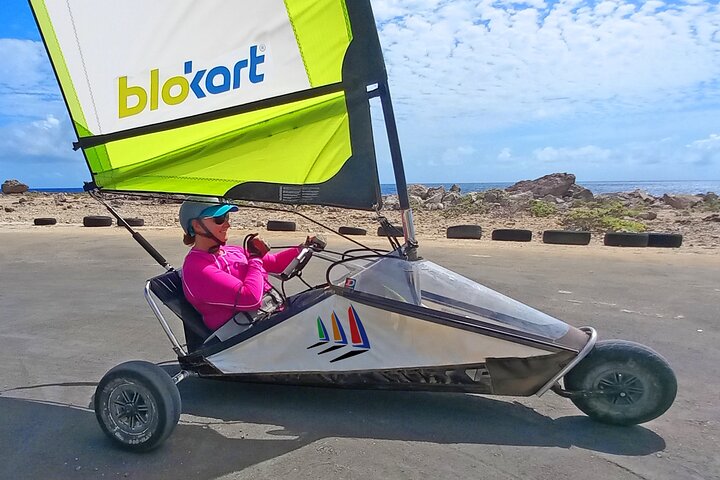
The trade winds blow from the east year-round and shape the island. The windward east coast, including Lac Bay, is breezy and choppy, which is why it is a center for windsurfing, kitesurfing and landsailing. The leeward west coast is sheltered, with calm water for snorkeling, diving and boat trips. Winds are often stronger for part of the year and gentler in other months, which affects the landsailing and kitesurfing seasons, so ask the operator what to expect during your dates. Boat trips run on the sheltered side in most conditions, but a windy day can make the crossing to Klein Bonaire bumpy.
Crowds and prices
The busiest period is the winter and early spring, when North American and European visitors escape the cold. Flights, rental vehicles and dive packages sell out early, and rates are at their highest, especially around holiday weeks. The shoulder periods before and after offer a better balance of good weather and lower prices. The quietest months are usually in the middle of the year and in the rainy season, when accommodations offer discounts and popular activities are easier to book, though a few operators reduce their schedules. If you want a specific small-group excursion, book ahead in the busy winter weeks.
Underwater conditions
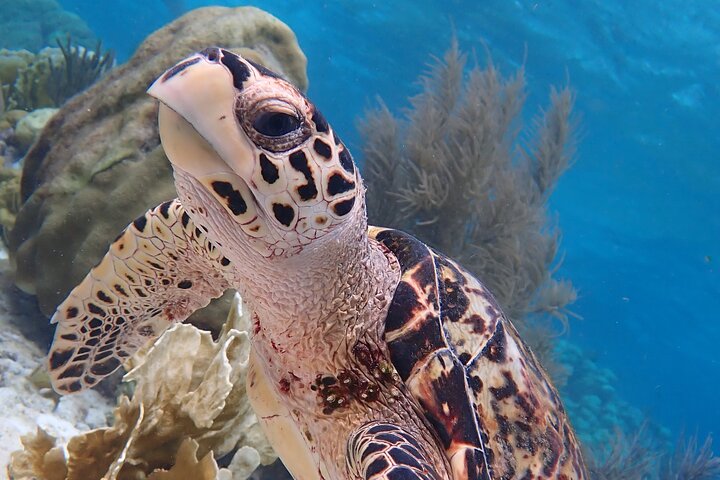
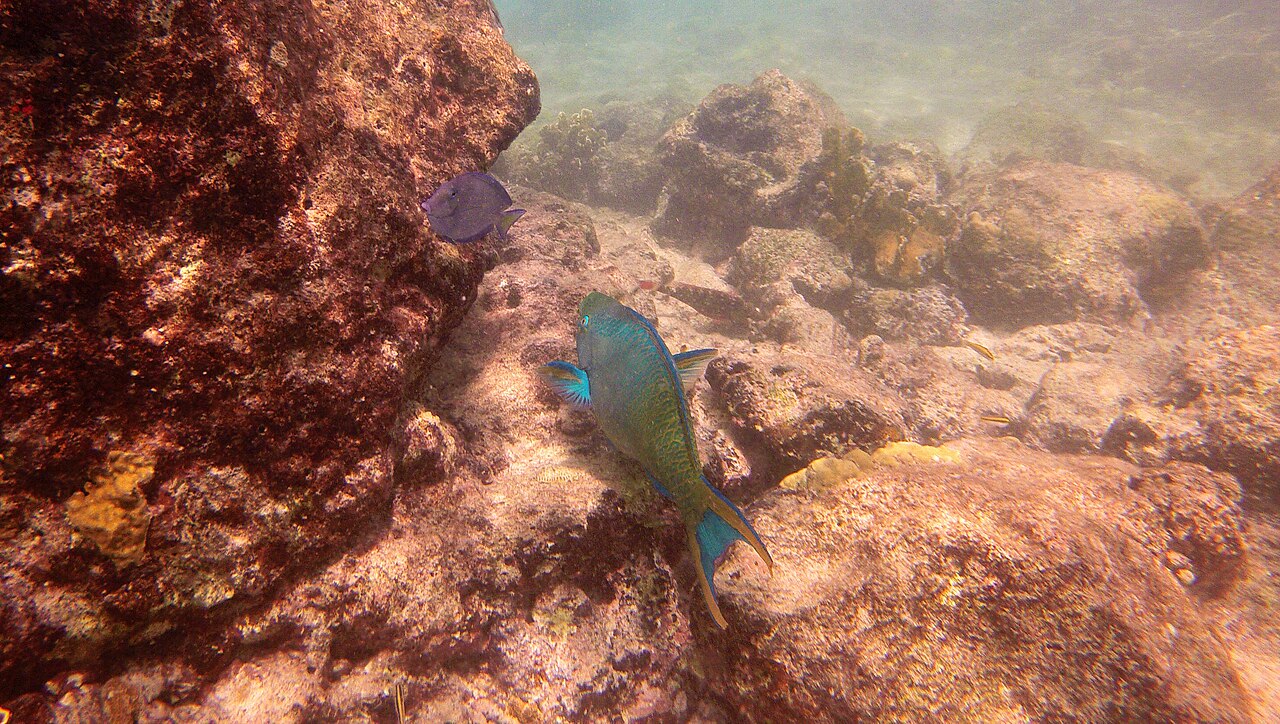
Visibility on the leeward reef is typically excellent all year, and diving and snorkeling are rewarding in every season. Water temperatures vary slightly, so a thin wetsuit or rash guard adds comfort in the cooler months. Night snorkeling and diving reveal different reef life, and the glow of tiny organisms can be more or less visible depending on the moon and conditions.
Land activities and parks
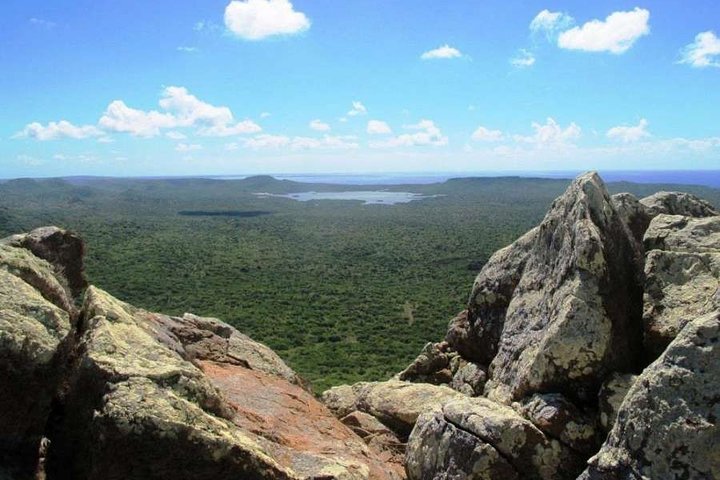
Washington Slagbaai National Park is open Tuesday to Sunday and closed on Mondays, with last entry at 2:30 pm, and the dirt roads are most comfortable in drier conditions. After rain the interior turns green and the salt lakes can fill, while in dry spells the landscape is stark and golden. The flamingos at the southern salt pans can be seen throughout the year, with numbers and positions shifting with water levels and feeding. Midday heat is strong in every season, so plan hikes and drives for the morning.
Choosing your window
For the most reliable sunshine and the liveliest atmosphere, go in the busy winter and spring and book early. For good value, calm days and quieter sights, choose the shoulder periods. For the lowest prices and fewest people, go in the quiet middle of the year or in the rainy season and accept a few showers. For windsurfing or kitesurfing, ask schools about the windiest stretch of the year. Whenever you travel, keep bookings flexible where you can, carry photo ID for the nature fee and treat the weather as part of the island’s character.
Packing by season
Whatever the month, bring light clothing, a rash guard, sunglasses, a hat and reef-safe sunscreen. A light rain jacket is enough in the wetter months, and a thin windproof layer helps on the east coast and on boats in the evening. If you plan to dive, pack a thin wetsuit or rash guard for comfort. Book your flights, vehicles and any small-group excursions as early as you can for the busy weeks, and check the weather again a few days before you travel.