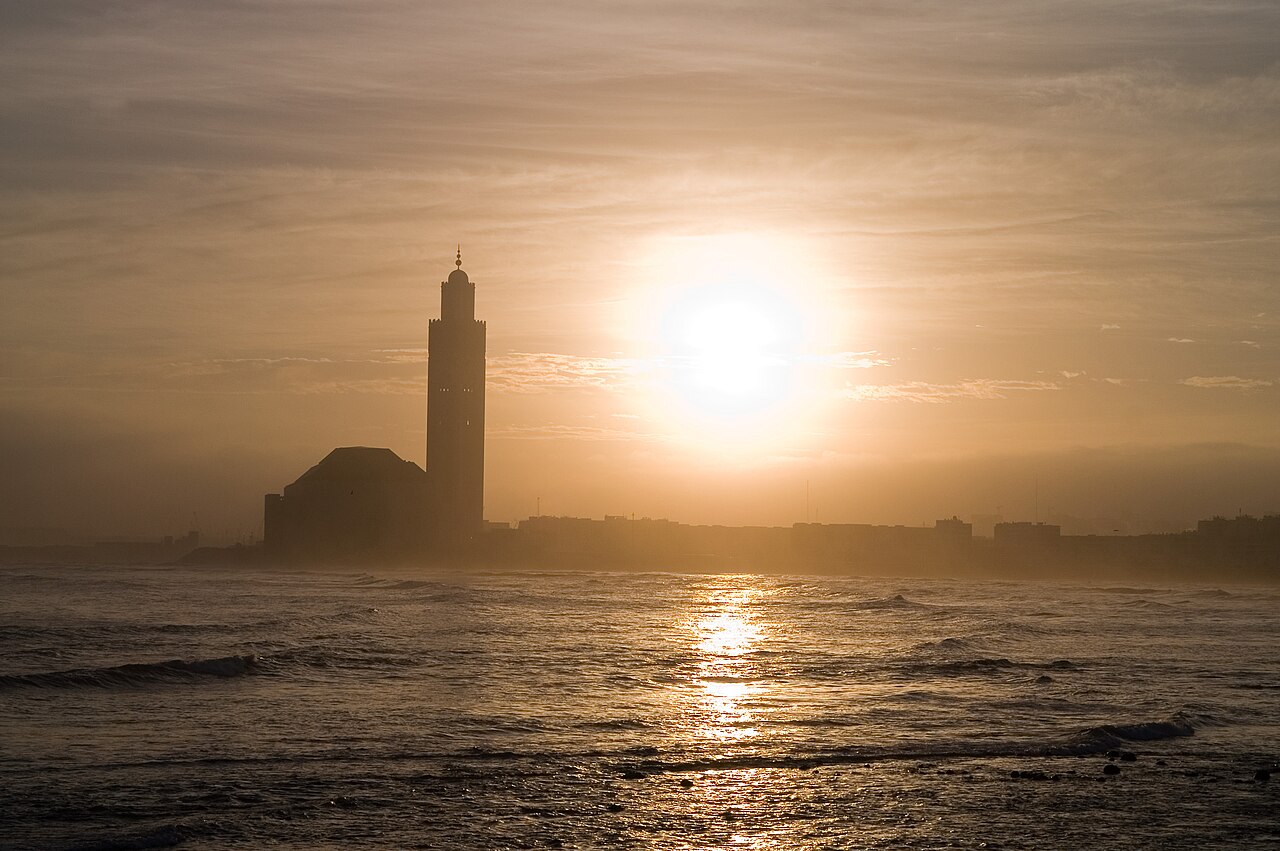
Casablanca has a mild Atlantic climate that makes it a year-round destination, but the seasons give very different trips. The ocean keeps summers cooler than the Moroccan interior and winters milder, though the coast can be windy, damp and grey. Here is how to choose your moment.
Spring: the easy choice
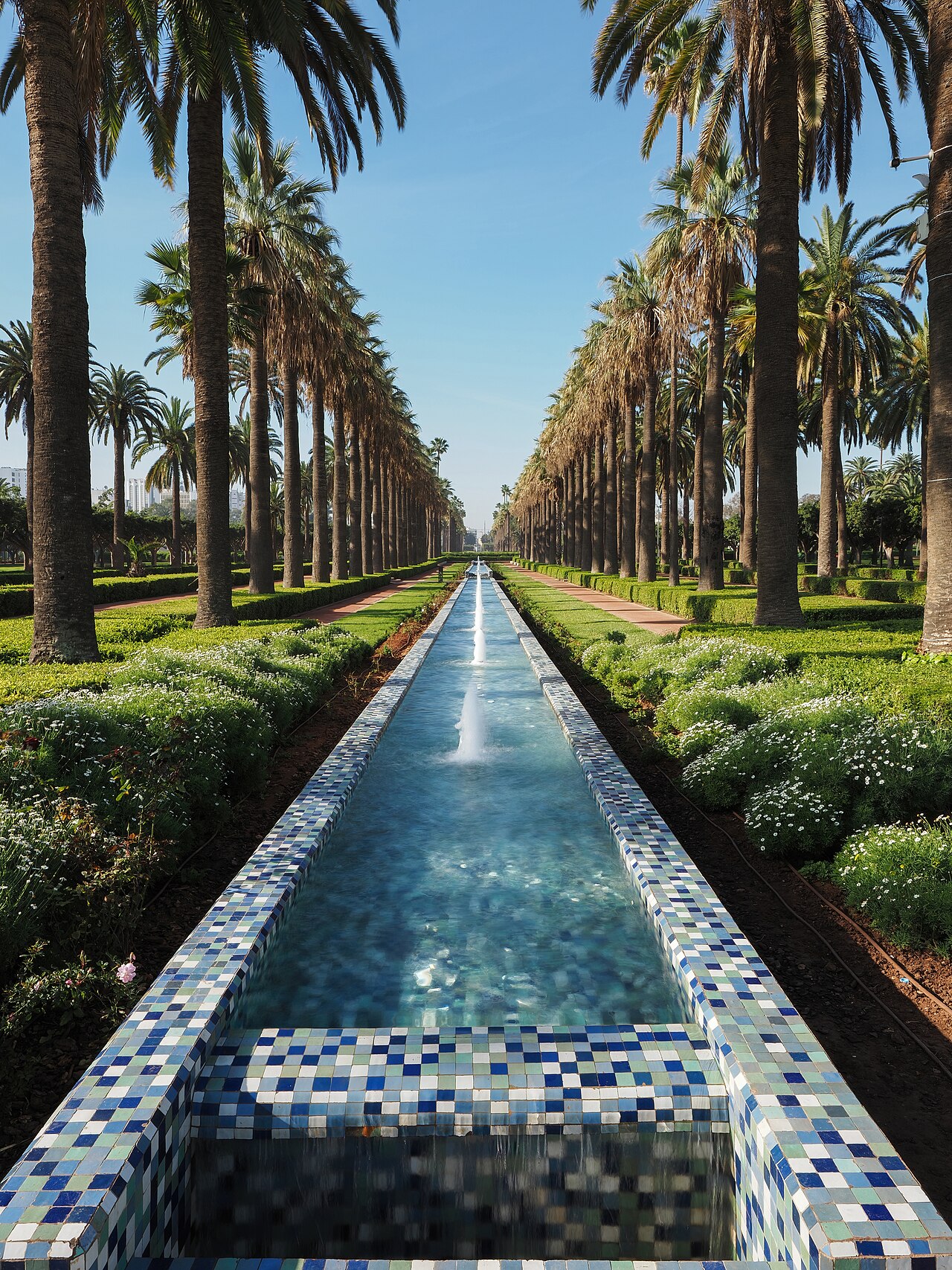
Spring, from roughly March to May, is the most comfortable season for sightseeing. Days are mild and often bright, the parks and gardens are green, and you can walk the medinas, the Art Deco centre and the Corniche without the heat. Rain is still possible early in the season, so pack a light layer. It is also a good time for longer day trips to Rabat or Marrakech, because the roads and the cities are pleasant rather than sweltering. Bookings for the mosque and for tours are busier around school holidays and public holidays, so reserve ahead.
Summer: beaches and breezes
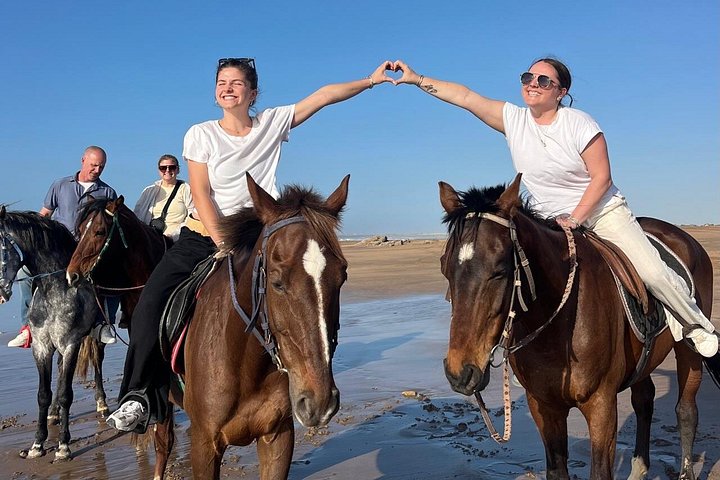
From about June to September, Casablanca is warm and can feel humid, though the sea breeze keeps it far gentler than Marrakech or Fes at the same time of year. It is the season for the Corniche, whose beach clubs, pools and seafront cafes come into their own, and for the late-afternoon activities such as a beach horseback ride or a quad bike ride along the shore. Plan sightseeing for the morning, rest in the middle of the day and go out again as the light softens. Many Moroccans and returning residents holiday in the city and on the coast in July and August, so hotels and beach spots can be busy. If you plan a long excursion to the interior, expect strong heat on the road and in the old cities, and prefer an air-conditioned vehicle.
Autumn: warm light and fewer crowds
September to November often brings the best of both worlds: the sea is still warm early in the season, the crowds thin out and the light on the white city and the mosque is clear and golden. Evenings are good for the terrace at La Sqala or a stroll along the seafront. As the season advances, expect more cloud and the first rain. Autumn is an excellent time for food-focused trips, because the markets are full and the weather suits long lunches.
Winter: quiet, cool and sometimes wet
From roughly December to February, the city is cooler, with rain and Atlantic wind on some days and bright, crisp ones on others. It is not a beach season, but it is a good time for museums, food tours, cooking classes, a hammam and the Art Deco architecture, with fewer visitors and often better hotel rates. The mosque is as impressive in grey weather as in sun. Pack a waterproof jacket and warm layers for evenings, and remember that the interior cities of Fes and Chefchaouen can be much colder than the coast, with mountain weather in the Rif.
Ramadan
Ramadan, the Muslim month of fasting, moves earlier each year and is expected in the first part of 2027, around February to early March, depending on the sighting of the moon. The city does not close, but the rhythm changes: many restaurants and cafes open late or serve only after sunset, shops and attractions may shorten their hours, and the Hassan II Mosque adjusts its visiting schedule. In exchange, evenings are special, with families gathering for the meal that breaks the fast, traditional soups and sweets on every table and a festive atmosphere. Be discreet about eating and drinking in public during the day, dress modestly and check opening hours before you go. Eid al-Fitr, which marks the end of the fast, is a public holiday when travel and bookings are busy.
Best months by interest
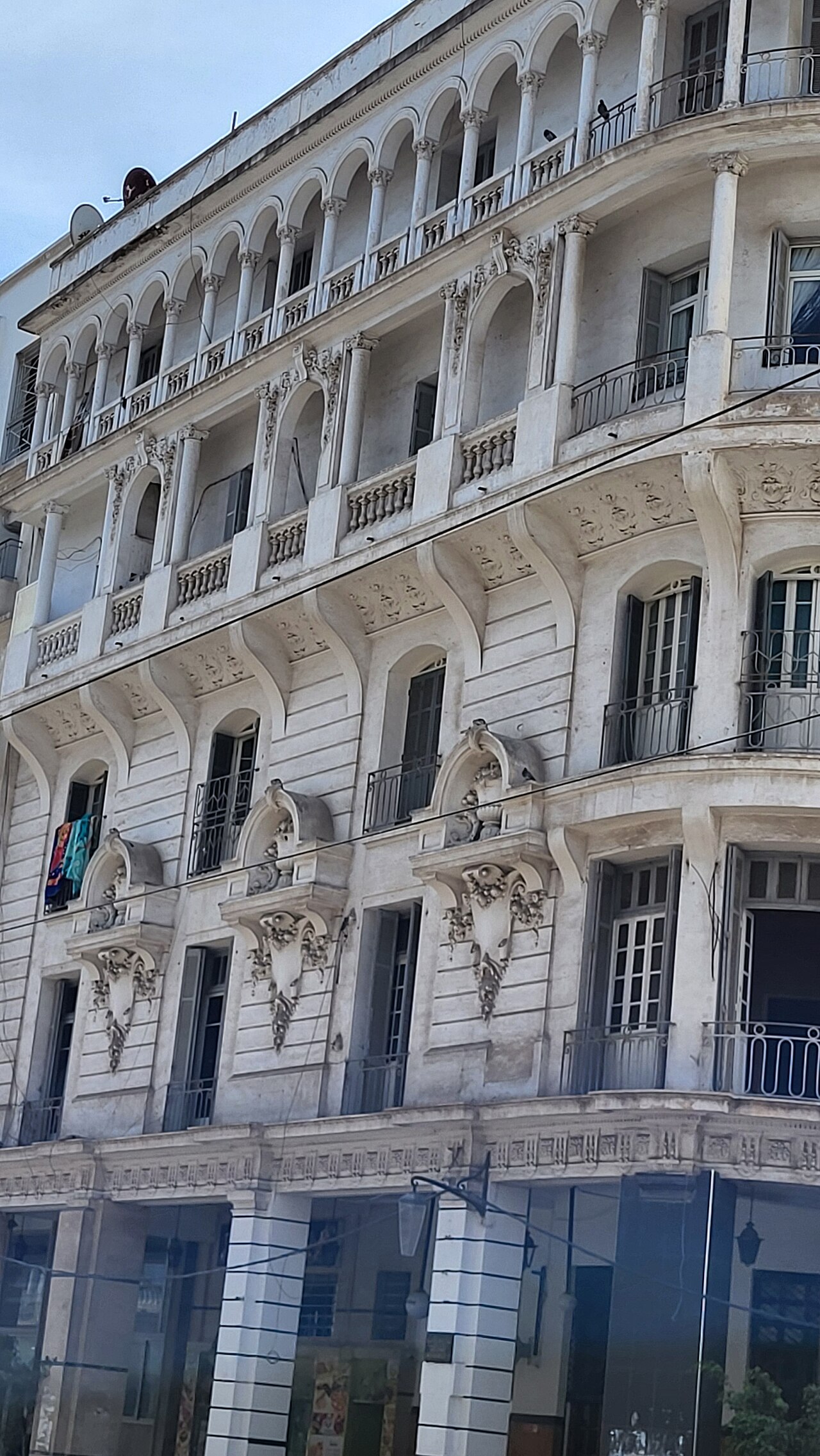
For sightseeing and photography, choose spring or autumn. For the beach and the Corniche, choose summer. For quiet city breaks, food and spa visits, choose winter. For the Art Deco walk and the medina, any season works, though midday in high summer is best avoided.
What to pack
Pack light cotton clothing that covers shoulders and knees for the mosque and the medinas, a scarf that doubles as a cover for women, comfortable walking shoes for uneven streets, a light waterproof layer for any season and sun protection for summer and shoulder months. Bring a small day bag for bottled water and small notes.
The short answer
If you can choose freely, go in late spring or early autumn, book the mosque visit and any day trips ahead, and leave a little slack in the plan for weather. Whatever the season, the city is better enjoyed at an unhurried pace.