Three days is the ideal length for a first visit to Casablanca. It is enough to see the great mosque, walk both medinas, admire the 1930s downtown, taste the food and still spend a day in the capital without rushing. The plan below groups sights by area, because traffic is the real enemy of a short stay here.
Before you arrive
Book the Hassan II Mosque visit first, since non-Muslim visitors enter only on a guided tour at set times, and build the rest of day one around that slot. If you want dinner at Rick's Cafe, reserve a table early, especially for a weekend. Carry some Moroccan dirhams in small notes for taxis, tips and market stalls, though cards are accepted in hotels and many restaurants. Cover shoulders and knees for the mosque and the medinas.
Day one: the mosque, the coast and sunset
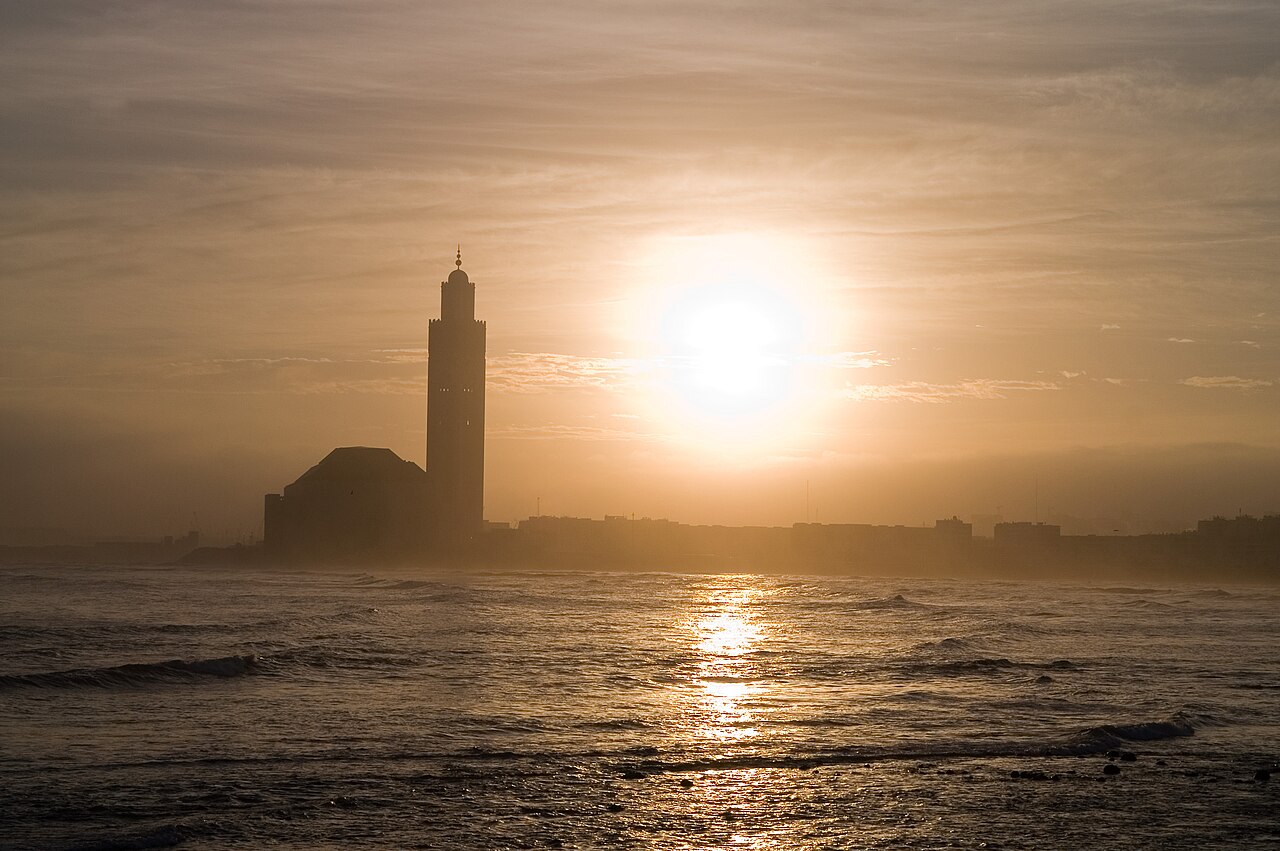
Start in the morning at the Hassan II Mosque, one of the largest in the world, with a minaret of about 210 metres and a prayer hall partly built over the Atlantic. The guided visit takes roughly an hour, and the esplanade outside is worth another half hour for photographs and sea air. Have lunch nearby or head east into the centre, then spend the afternoon on the Corniche, the long seafront promenade of cafes and beach clubs running toward Ain Diab. Finish at La Sqala, the 18th-century bastion by the old port, whose garden terrace is a pleasant place for mint tea as the light softens. If you prefer a seated evening, book the city night tour with a Moroccan dinner, which handles transport and gives you the lit minaret without a taxi hunt.
Day two: medinas, Art Deco and the market
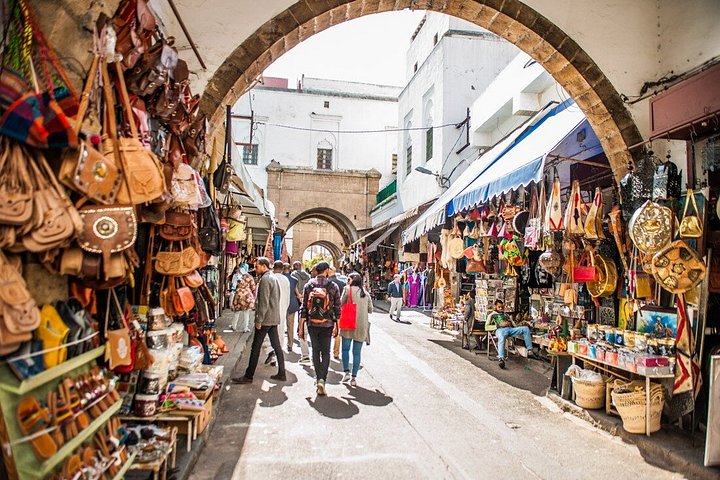
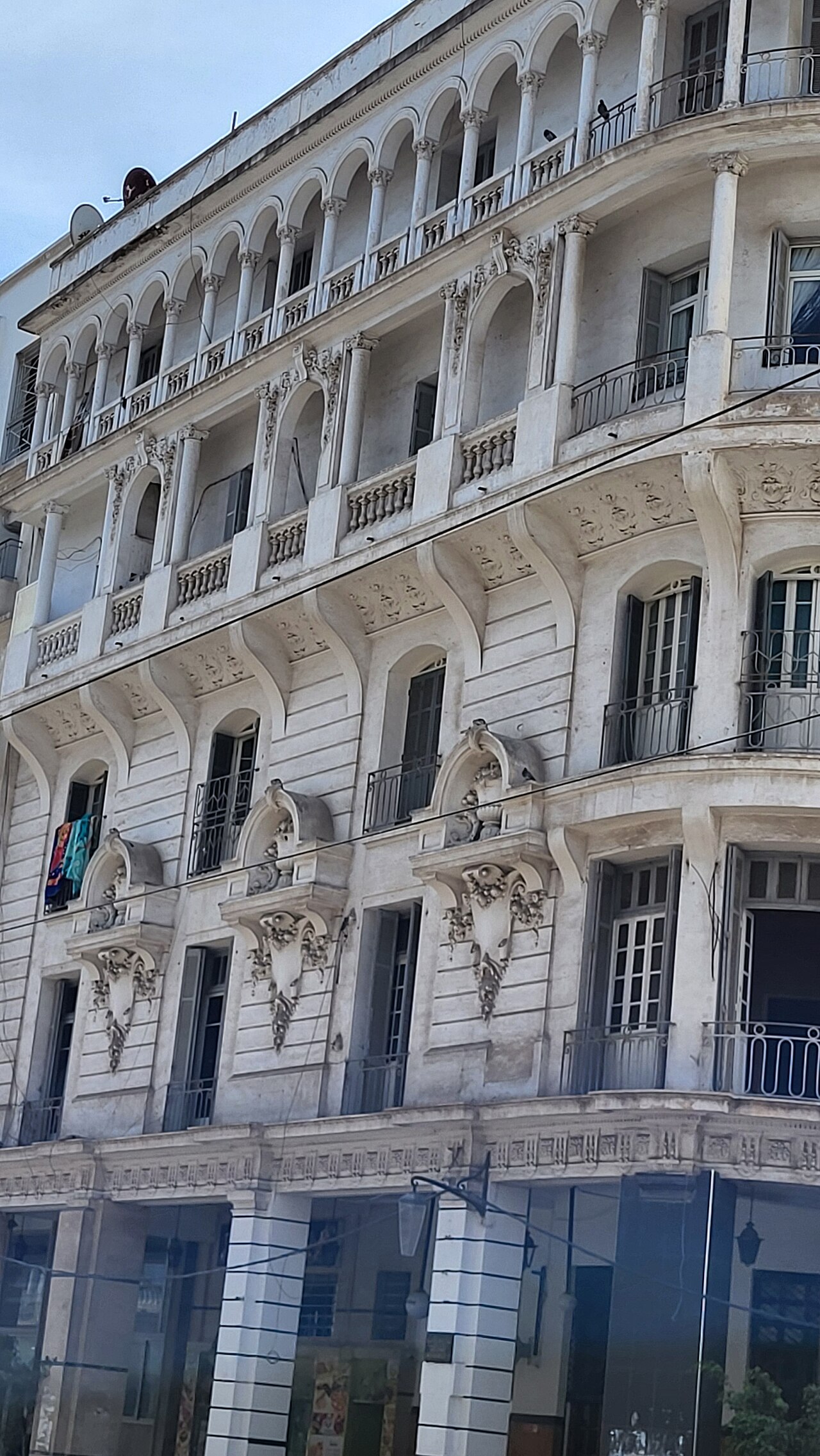
Begin with a guided walk through the old medina and the Habous quarter, which together take most of a morning. The old medina is small, lived-in and a little rough around the edges, while the Habous, built in the 1930s as the New Medina, has arcaded lanes, bookshops and some of the city's best pastry shops. A guide adds context and keeps touts at bay. After lunch, walk the downtown core: Place Mohammed V, with its courthouse and post office, then Boulevard Mohammed V and the side streets, where Arab-Deco facades mix Parisian lines with zellige tilework. The former Sacre-Coeur church is a short detour and one of the most unusual buildings in the country. Stop at the Central Market, an early twentieth-century covered hall, for fish, fruit and flowers, and if it is not yet lunchtime, eat there. In the evening, book Rick's Cafe for the piano, the courtyard and the film-legend atmosphere. It is a recreation, built in 2004, but a well-judged one.
Day three: Rabat, or a slower Casablanca
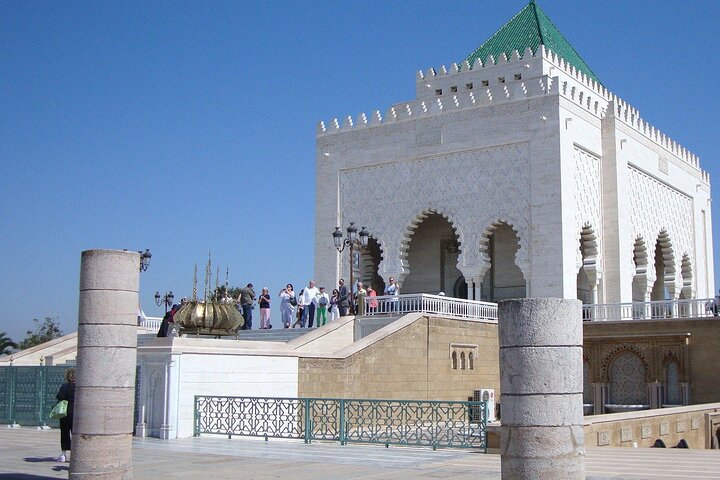
The best use of a third day is Rabat, Morocco's calm capital about an hour up the coast. You can go by private day trip with a guide and driver, or by train from the city's stations and hire a petit taxi in Rabat. The core sights sit close together: the unfinished Hassan Tower, the marble mausoleum of Mohammed V, the blue-and-white Kasbah of the Udayas and, a little farther out, the Roman-era ruins of Chellah. The old city is UNESCO-listed as part of the modern capital and historic city. If you would rather stay put, spend the day on something active or restful: a guided cycling tour links neighbourhoods that are awkward on foot, a beach horseback ride suits the late afternoon, and a traditional hammam is the best possible way to end a long trip. Food lovers can choose a food tour or a cooking class instead.
Getting around
Petit taxis, the small metered cars, are the normal choice inside the city. Agree on the meter or the price before you set off, and keep small change handy. The tram network helps with a few longer crossings, and trains connect the city to Rabat and beyond. For the mosque, the Corniche and the medina in one day, a hired driver or a tour with transport saves a lot of time. Allow generous margins at rush hour, when the main roads slow to a crawl.
If you have only two days
Merge the plan: mosque and Corniche on the first day, medinas, Art Deco and Rick's Cafe on the second, and treat Rabat as a future trip. If you have four, add a food tour, a Jewish heritage visit covering the synagogue and the museum, or a long day excursion toward Marrakech.
Where to stay
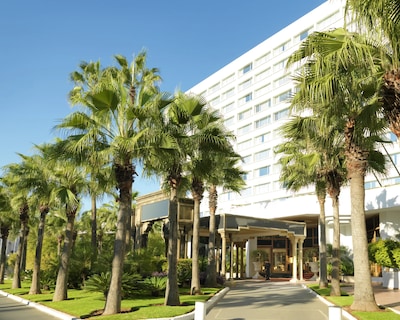
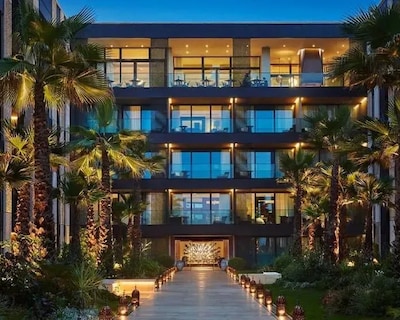
For a three-day trip, a base in the historic centre keeps the medina, the Central Market and Casa Port station within reach, which makes both the Rabat train and evening walks easy. If you want a resort feel, choose the seafront instead and accept that you will use taxis for sightseeing. Our where-to-stay guide compares the areas in more detail.
Pacing tip
Casablanca is a working city, not a museum piece, and it is at its best when you leave gaps. Keep one hour free each afternoon for a cafe terrace, and do not try to squeeze Fes or Marrakech into the same trip unless you can spare the long road. A single great day beats three rushed ones.