Casablanca is not the first city people name when they talk about Moroccan food, and that is a mistake. It is a port, a market town and a modern metropolis all at once, so it eats well: fresh Atlantic fish, the great classics of Moroccan home cooking, French-influenced bakeries and a cafe culture that runs from early morning to late evening. Here is how to eat your way through it.
Start with the Central Market
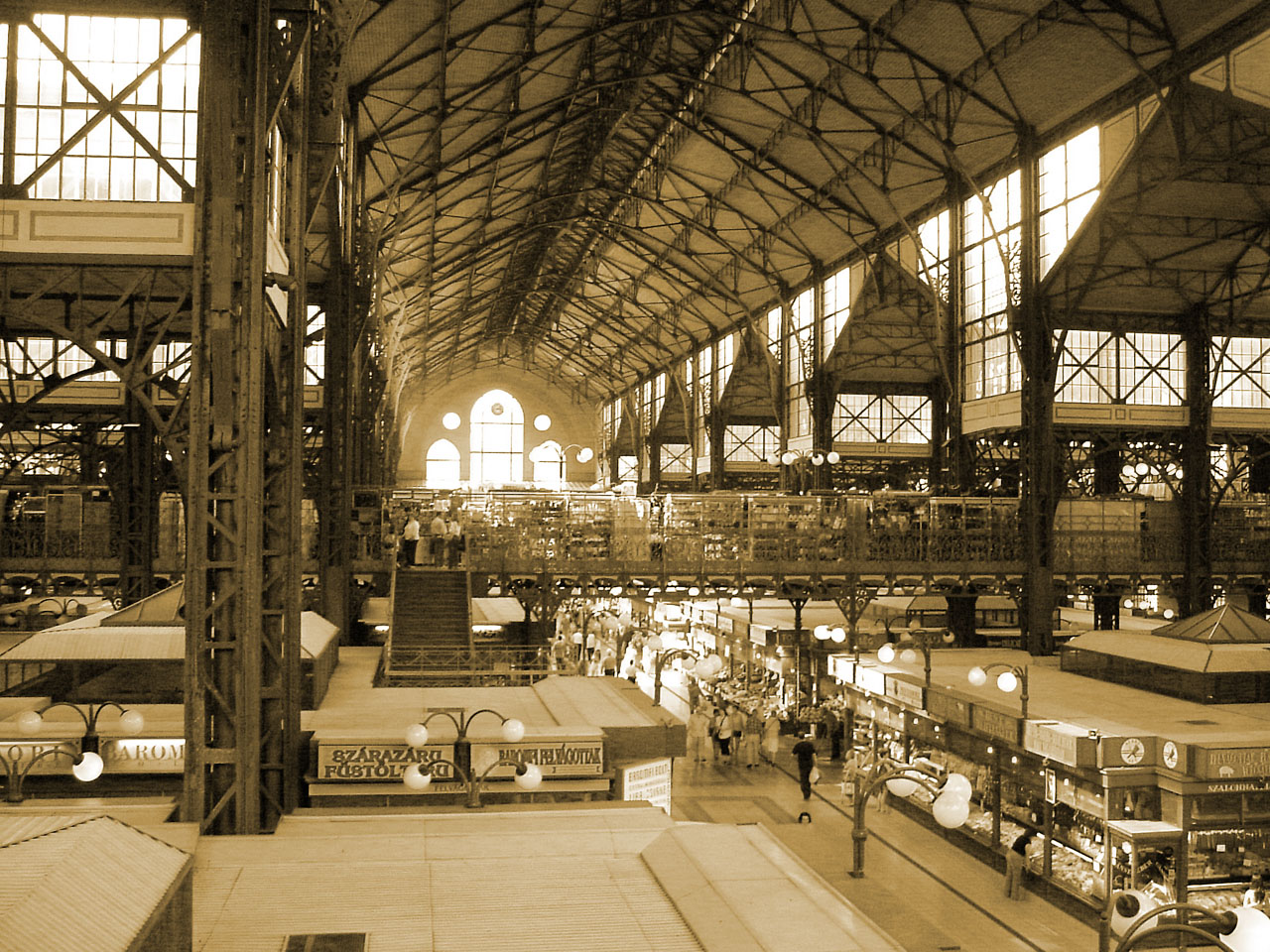
The Marche Central, a Moorish-style covered market from the end of the First World War period, is the best single place to understand the city's food. Fishmongers, butchers, fruit sellers and flower stalls fill the aisles, and around the edge, small counters cook seafood to order. Pick a counter where the locals are sitting, look at the day's catch and eat what is freshest. It is free to enter and best in the morning, when stock is at its fullest. Go hungry and keep your bag zipped, as in any busy market.
Seafood is the city's signature
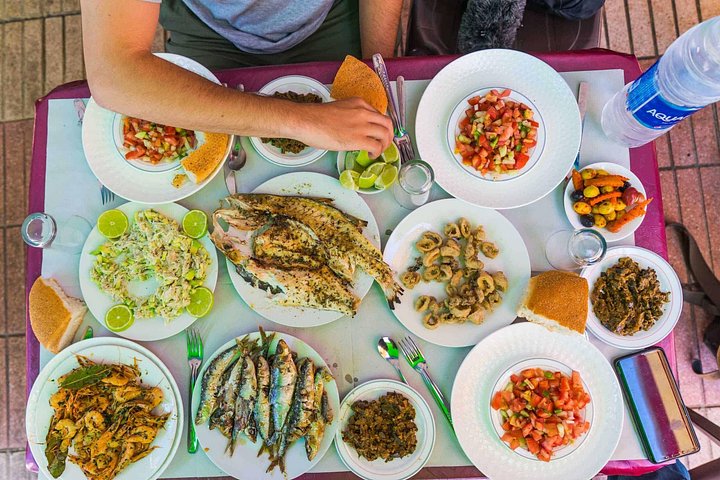
Facing the Atlantic, Casablanca does grilled fish, fried small fish, calamari, prawns and shellfish better than most Moroccan cities. Look for fish grilled simply and served with lemon, bread and salad, or cooked in a spiced tagine. Lunch is usually the best time for seafood, when fish is at its freshest. In the evening, the Corniche and the area around the old port have restaurants with sea views, though prices there reflect the setting.
The classics to try
Tagine, the slow-cooked stew named after its conical clay pot, comes with lamb, chicken, vegetables or fish, and the best versions are rich but not heavy. Couscous is traditionally a Friday meal, served in a large communal dish with vegetables and meat, so look for it at the end of the working week. Harira, a thick soup of tomatoes, lentils and chickpeas, is eaten year round and becomes the centrepiece of the evening meal that breaks the fast during Ramadan. Pastilla, a flaky pie of pigeon or chicken with almonds, sugar and cinnamon, is a celebratory dish that surprises first-timers with its sweet and savoury mix. For breakfast or a snack, look for msemen and baghrir, griddled breads and semolina pancakes served with honey and butter, alongside olives and strong coffee.
Mint tea and pastry in the Habous
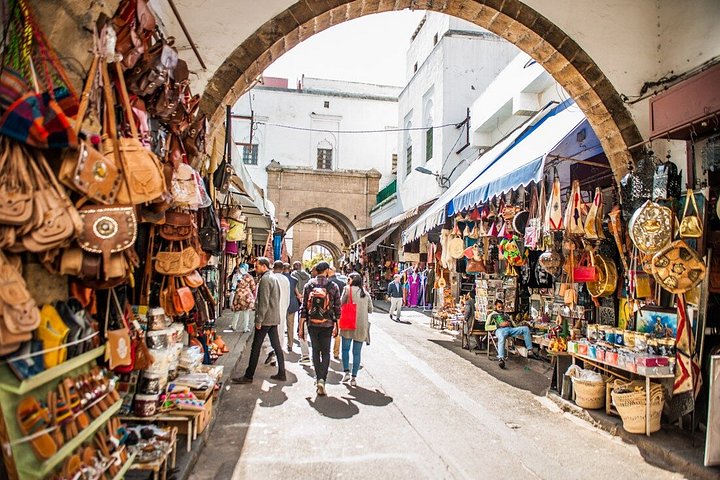
Mint tea, made with green tea and fresh mint and poured from a height, is a sign of hospitality everywhere, and it is polite to accept a glass. For sweets, head to the Habous quarter, the 1930s New Medina, whose arcaded lanes hold some of the best pastry shops in the city. Expect almond pastries, sesame biscuits, honey-soaked chebakia and the crescent-shaped cornes de gazelle, plus dates and dried fruits. Buy a mixed box by weight, sit down with a glass of tea and enjoy it slowly. Many shops in the area also sell olives, spices and bread, making the Habous a good place to assemble a picnic.
Eat with a guide
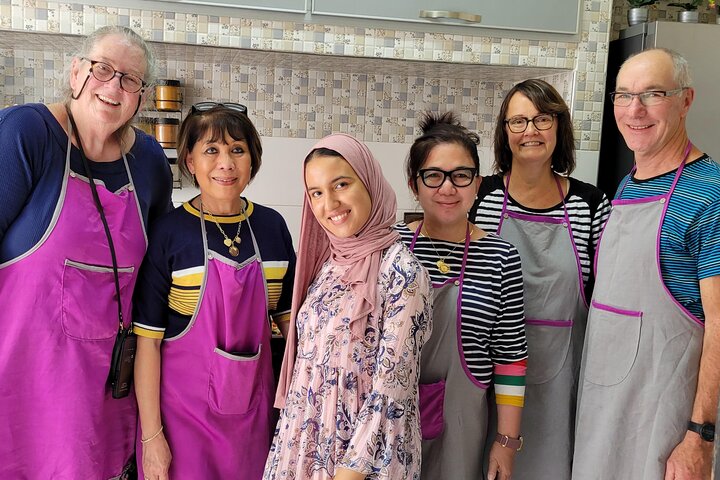
A food tour is the most efficient way to taste widely in a half day, because a local guide knows which market counter, medina stall and family-run table is worth your time. The Casablanca food tour here links the Central Market, the old medina and La Sqala, with seafood, snacks, tea and a traditional lunch. If you would rather learn to cook, the Moroccan cooking class is a hands-on afternoon in which you prepare a tagine and other classics with a local host and then sit down to eat them. Both make good first-day activities, because they teach you what to order for the rest of the trip.
A special dinner
For atmosphere, Rick's Cafe, in a restored Moorish courtyard house by the old medina wall, serves Moroccan and international dishes with live piano in the evening and a full bar. It is a film-inspired recreation rather than the original, but it is a memorable setting, and a booking is wise. Smart casual dress is expected. La Sqala, in the old bastion beside the port, offers a quieter garden-style lunch or tea.
Drinks and etiquette
Morocco is a Muslim country, and alcohol is available in licensed hotels, bars and some restaurants rather than everywhere, so check before you assume. Tap water is not recommended for drinking, so choose bottled water, and be cautious with ice and raw salads if you have a sensitive stomach. Tipping is customary in restaurants, usually a small amount in cash, and it is normal to eat tagine and couscous with bread or a spoon rather than a knife. Eat with your right hand if you are sharing from a communal dish.
A simple food plan
Spend one morning at the Central Market, one afternoon in the Habous with pastry and tea, one lunch on grilled fish, one evening on a tagine or couscous, and one night somewhere special. That covers the best of the city without a long checklist, and it leaves room for the surprise of a corner bakery or a cafe terrace you stumble upon yourself.