Chamonix has a reputation for being expensive, and the lifts, ski passes and top hotels are not cheap. But the valley is also full of free things, and a little planning can bring the cost of a trip down a long way. This guide shows where to save and where to spend.
Walk first, ride second
The best free things are on the valley floor. The town centre, the river path, the Lac des Gaillands, the hike to the Dard waterfall and the Bossons Glacier viewpoints cost nothing. The Aiguilles Rouges and Vallon de Bérard nature reserves are free to enter, and a full day of walking there, with Mont Blanc across the valley, is among the best you can have anywhere in the Alps.
Choose one big lift
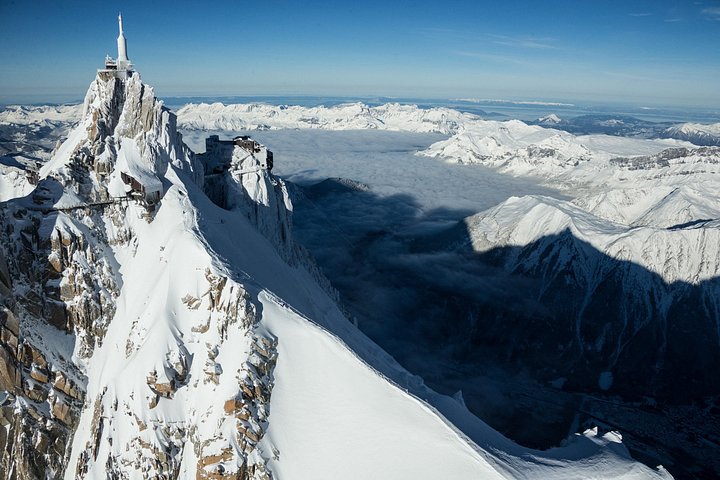
If you only pay for one, make it a choice between the Aiguille du Midi and the Montenvers train, depending on whether you want altitude or a glacier. The Montenvers is often better value for families, while the Aiguille du Midi is the more dramatic. For walkers, a single ride on the Flégère or Brévent lift puts you on trails that would otherwise need a thousand metres of climbing. In summer, the Bossons chairlift is a smaller ticket for a close glacier view.
Cheaper ways to sleep
Mont Blanc Lodge, a small bed and breakfast about a minute from the railway station, includes breakfast and puts the Montenvers train three minutes away on foot, which saves transport and meals. Hotel Eden in Les Praz offers apartments and chalets with kitchens, a good value for groups who share. Staying outside high season or midweek in winter lowers prices considerably, and booking early for the school holidays helps.
Eating well for less
Self-cater where you can: bakeries sell bread and pastries, supermarkets sell Savoyard cheese and charcuterie, and a picnic with a mountain view beats a restaurant lunch. Choose a plat du jour at a local cafe at midday and keep the fondue or raclette for one special evening. Tap water is safe and free, so carry a bottle, and refill it before lifts.
Getting around cheaply
You do not need a car in the valley. The valley bus and the Mont Blanc Express train link the villages, and a guest card from your accommodation may include free or discounted local transport. From Geneva, a coach or a shared shuttle is far cheaper than a private transfer, and a guided day trip can be the most economical way to see the valley if your time is short.
Skiing on a budget
Day passes for the smaller areas such as Les Houches or Flégère cost less than the full valley pass, and a multi-day pass only pays off if the snow is good for several days. Hire equipment in town the evening before and compare shops, and consider a lesson in a group rather than a private guide. If you do not ski, snowshoeing on packed trails and walking in the villages cost little.
Timing for value
Prices follow the seasons. The cheapest weeks are in late spring and in the quiet weeks before the ski season, when some hotels reduce their rates, though lifts and restaurants may be closed. Midweek stays in winter cost less than weekends, and shoulder-season weeks in early September give summer weather at lower prices. Ask hotels about packages that combine lift tickets and breakfast, and compare the cost of a room with a kitchen against eating out for a week.
Free extras
The tourist office has maps and advice at no charge, and many events, markets and walks are free. Walk to the viewpoints rather than taking the lift when you have the time. The Mont Blanc Express is a scenic and cheap alternative to a tour, and a ride to Argentière or Vallorcine with a picnic makes a good day. Plan one paid highlight per day and let the rest be free.
One caution
Do not economise on safety. Rent proper boots, carry a windproof layer and use a guide for glaciers and off-piste skiing; a guide fee is cheaper than a rescue.
Where to splurge
Spend on the things that matter most: one clear morning on the Aiguille du Midi, a guided day if you want to cross a glacier safely, or a special meal. Everything else can be simple, and the free views are as good as the paid ones.