Chefchaouen rewards a slower pace than most Moroccan stops. The medina is small enough to cover in a morning, yet the town's real charm lies in the light, the quiet corners and the mountains just beyond the last houses. Three days is the sweet spot: enough to see the sights, take a proper hike and still leave an afternoon for mint tea with no agenda. This itinerary is built around those three speeds, with the busiest sights in the cooler hours and the longer outing in the middle.
Day one: the medina and the old centre
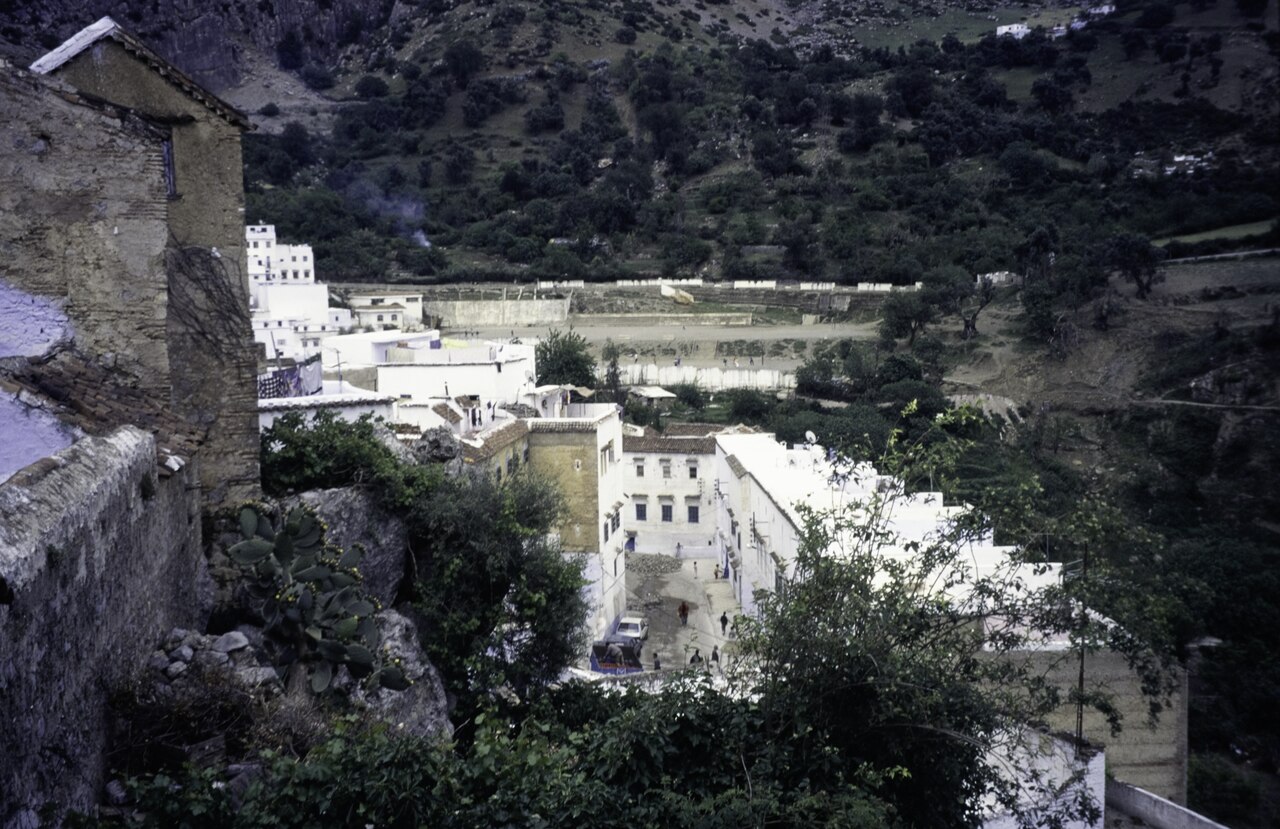
Start with a private guided walk in the morning, because it explains the layout and saves hours of circling the same lanes. A two-to-three-hour route links the lanes, the spring and the kasbah square in a sensible order. After lunch, visit the kasbah and its small ethnographic museum, then take tea on Plaza Uta el-Hammam beside the Grand Mosque, which you can admire from outside. In the late afternoon, walk out to the Ras el-Maa spring, where the town's water comes off the mountain and locals gather by the cascade. Finish with dinner on a rooftop terrace. If you prefer a freer day, swap the guide for a long wander through the Andalusian quarter and Souika lanes, which are free and best in the early morning.
Day two: Akchour and the mountains
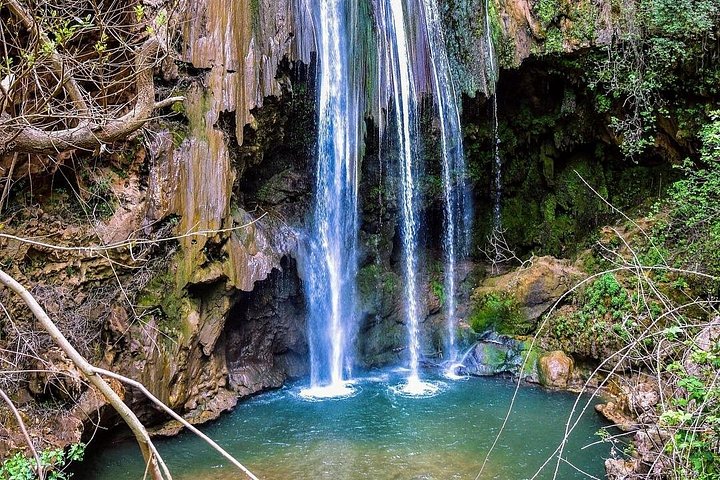
Use the middle day for the big outing. A guided trip to the Akchour waterfalls and God's Bridge takes about six hours with the transfer, and it is the best use of a day in the national park. The valley is shaded and cooler than town, the pools are clear, and trailside kiosks serve tea and simple meals. Wear proper shoes, bring swimwear in warm months and carry water. The full hike is long and includes steps, so go only as far as suits your group. If you prefer a gentler outing, a combined falls-and-farms visit lets you see village life without the full trail. Return to town in the late afternoon for a hammam or a massage, which is the best possible reward for tired legs.
Day three: viewpoint, crafts and a cooking class
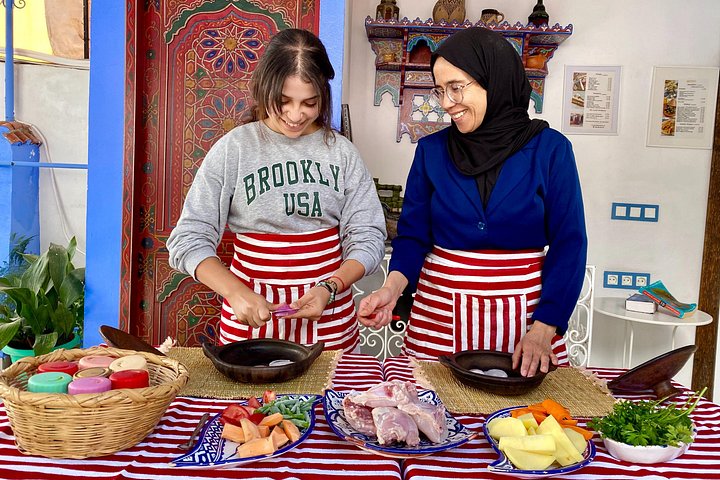
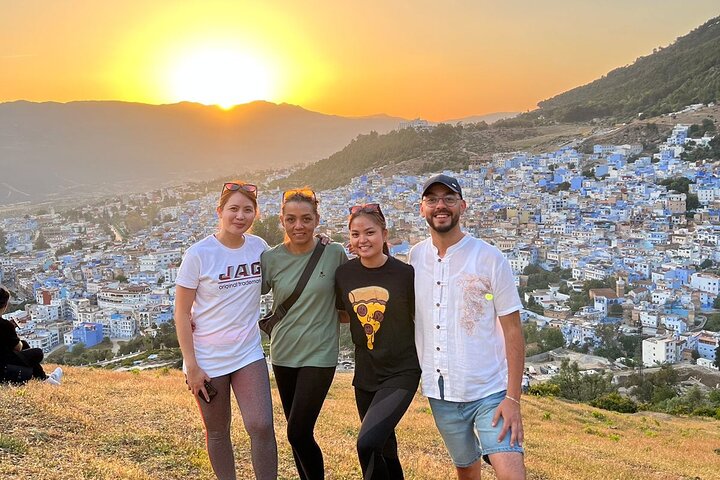
Begin with the climb to the Spanish Mosque viewpoint early in the morning, when the light is soft and the path is quiet. The climb takes roughly an hour and a half to two hours with time at the top, and it gives the classic view of the town spread out in blue. Come down for a late breakfast, then spend the late morning in the souks, where woven blankets, wool garments, leather slippers and pottery fill small workshops. Prices are usually friendlier than in the large imperial cities, and bargaining is relaxed. Spend the afternoon in a cooking class with a local family, preparing a tagine or couscous and eating the results. It is a fitting finish and gives you recipes to take home.
If you have a fourth day
Add a day trip to Tetouan, a white World Heritage medina about an hour and a quarter away, or a day on the quiet Mediterranean beach at Oued Laou. Both contrast nicely with the mountain mood of the blue city. Walkers can instead swap days two and three for the two- or three-day Rif trek, which links villages and forests with overnight stays in local guest houses.
Pace and planning
Chefchaouen is at its best early and late. Between roughly eight and ten in the morning the lanes are almost empty, and the hour before sunset brings the best light. Midday can feel busy when tour groups pass through, so schedule tea, lunch or a rest then. Book the guided walk, the Akchour excursion and the cooking class ahead of time in spring and autumn, when the town is busiest. Leave the viewpoint, the souks and the wandering unscheduled so you can adjust to weather and energy.
What to carry
Pack light, since the lanes are stepped and cars stop at the edge of the old town. Wear shoes with grip, because the polished stone can be slippery after rain. Bring a light layer for evenings, small notes for tea and tips, a refillable water bottle and modest clothing with shoulders and knees covered. A phone with an offline map helps in the maze of lanes, and a small power bank is useful on the longer outing.
Where to sleep
Stay inside or beside the medina so that mornings and evenings are on foot. Riad Nila and Riad Chengli suit couples who like a small riad with a rooftop, Hotel Parador is the practical choice for drivers and families because it has a pool and parking, and Lina Ryad & Spa is the comfort pick with a heated pool and hammam. Our where to stay guide compares the options by neighbourhood. Whatever you choose, ask about luggage help before you arrive, since the lanes cannot be driven.
A note on rhythm
The best days in Chefchaouen are rarely the ones with the most sights. Leave gaps for a second mint tea, a chat with a shopkeeper or a detour down a lane that looks inviting. The town is small, the people are welcoming, and the mountains are always there when you look up. Three unhurried days will show you far more than a rushed one.