Córdoba has one of the hottest summers in Europe and one of the loveliest springs, so the question of when to go matters more here than in most cities. The good news is that the city has something to offer in every season, and the right choice depends on what you want from your trip: flowers, festivals, quiet monuments, mild walking weather or low prices.
Spring: the classic season
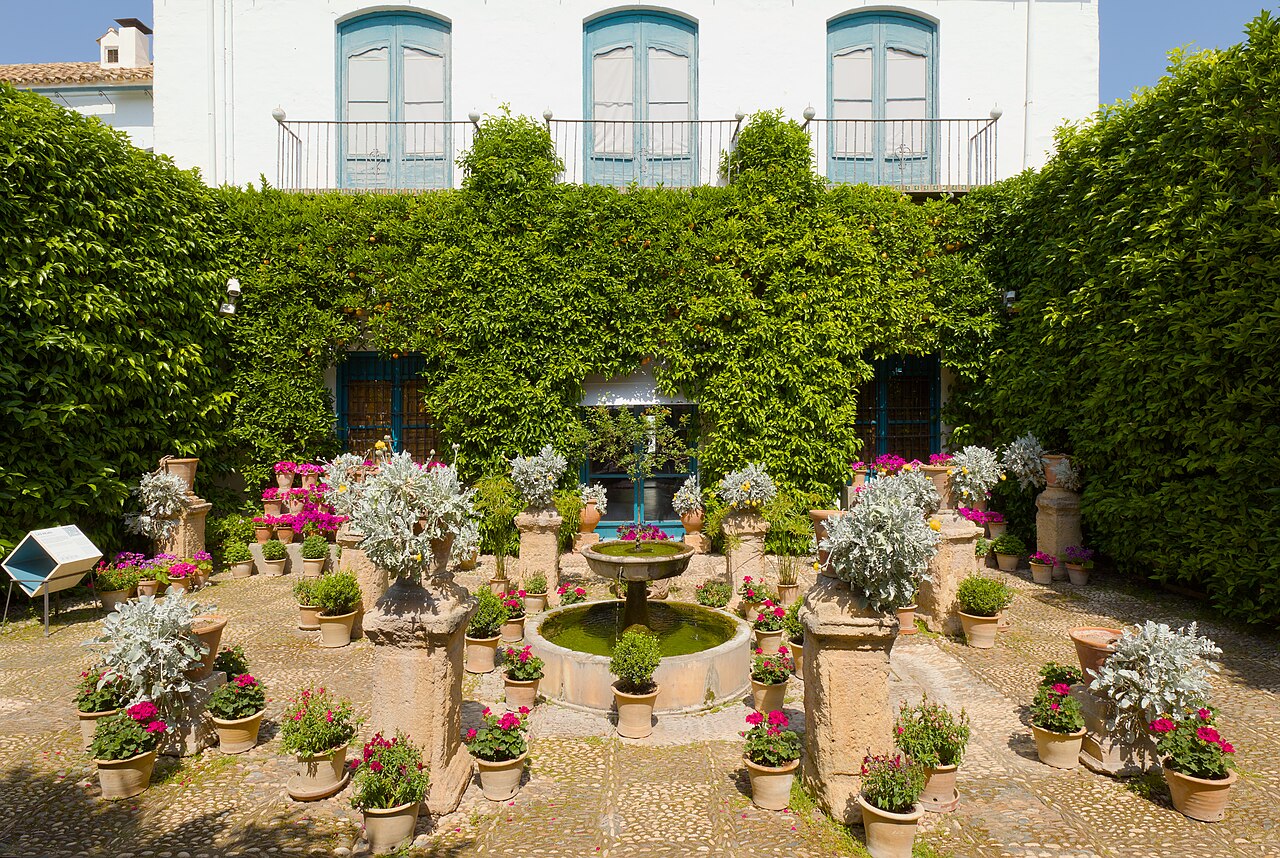
From March to May, Córdoba is at its best. The temperatures are pleasant, the orange trees are in blossom and the courtyards fill with flowers. May is the peak month, with the Cruces de Mayo, when neighbourhoods decorate crosses with flowers, the Patios Festival, when private courtyards open to the public, and the city's fair later in the month. The city is busy and hotels are at their most expensive, so book accommodation, the Mezquita, evening shows and tours well ahead. Expect queues at popular patios and crowded streets in the old town during festival days. If you want the blossom without the biggest crowds, aim for late March or April. Holy Week, with its processions, is a very different spring experience, atmospheric and moving but crowded and with some changes to opening hours.
Summer: plan around the heat
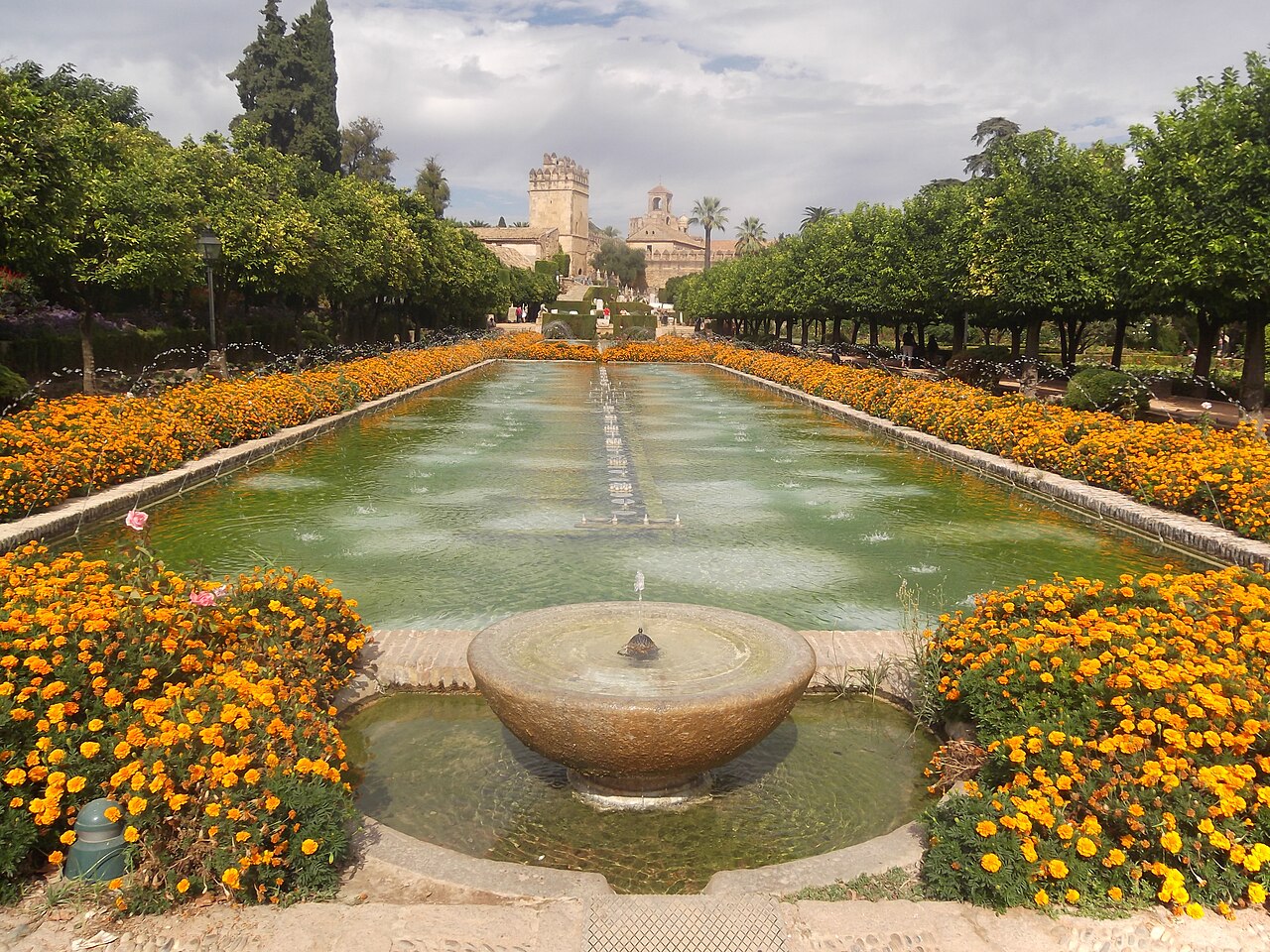
From June to September, daytime temperatures often climb above 35 degrees Celsius and can be much higher in July and August. Sightseeing becomes a matter of timing: visit the Mezquita, the Alcázar and Medina Azahara as soon as they open, rest in the middle of the day, and go out again in the evening, when the lanes are alive and the monuments are lit. Some sights shorten their hours or change their schedules in the hottest weeks, so check before you go. The advantages of summer are lower hotel prices in some categories, long evenings and a lively street life, and the pools in hotels are a real asset. Drink plenty of water, wear a hat and light clothing, and take advantage of the shade of the narrow lanes and patios.
Autumn: warm light and fewer crowds
September and October are warm, with gentle light and the city returning to normal life after the summer. By October the heat has eased and the days are pleasant for walking, and the crowds are lighter than in spring. This is an excellent time for visiting Medina Azahara and the hill-side sights, and the patios are lush and green. The weather can be changeable, with occasional heavy rain, so carry a light jacket. Prices for hotels are generally more reasonable than in spring.
Winter: quiet, mild and good value
From November to February, the days are shorter and the evenings can be cold, but there are many clear, sunny days with soft light on the stone. The monuments are quiet, queues are short and hotel prices are among the lowest of the year. The Mezquita, the Alcázar and the museums follow their winter timetables, with earlier closing times, so start early and plan indoor visits for the afternoon. It is also the season of hearty food such as oxtail stew, and the warmth of a tavern or the courtyard of a hotel is an extra pleasure. Rain is possible, and some courtyards and gardens are less colourful, but the citrus trees are in fruit and the old town has a calm that is hard to find in other seasons.
Events and opening hours
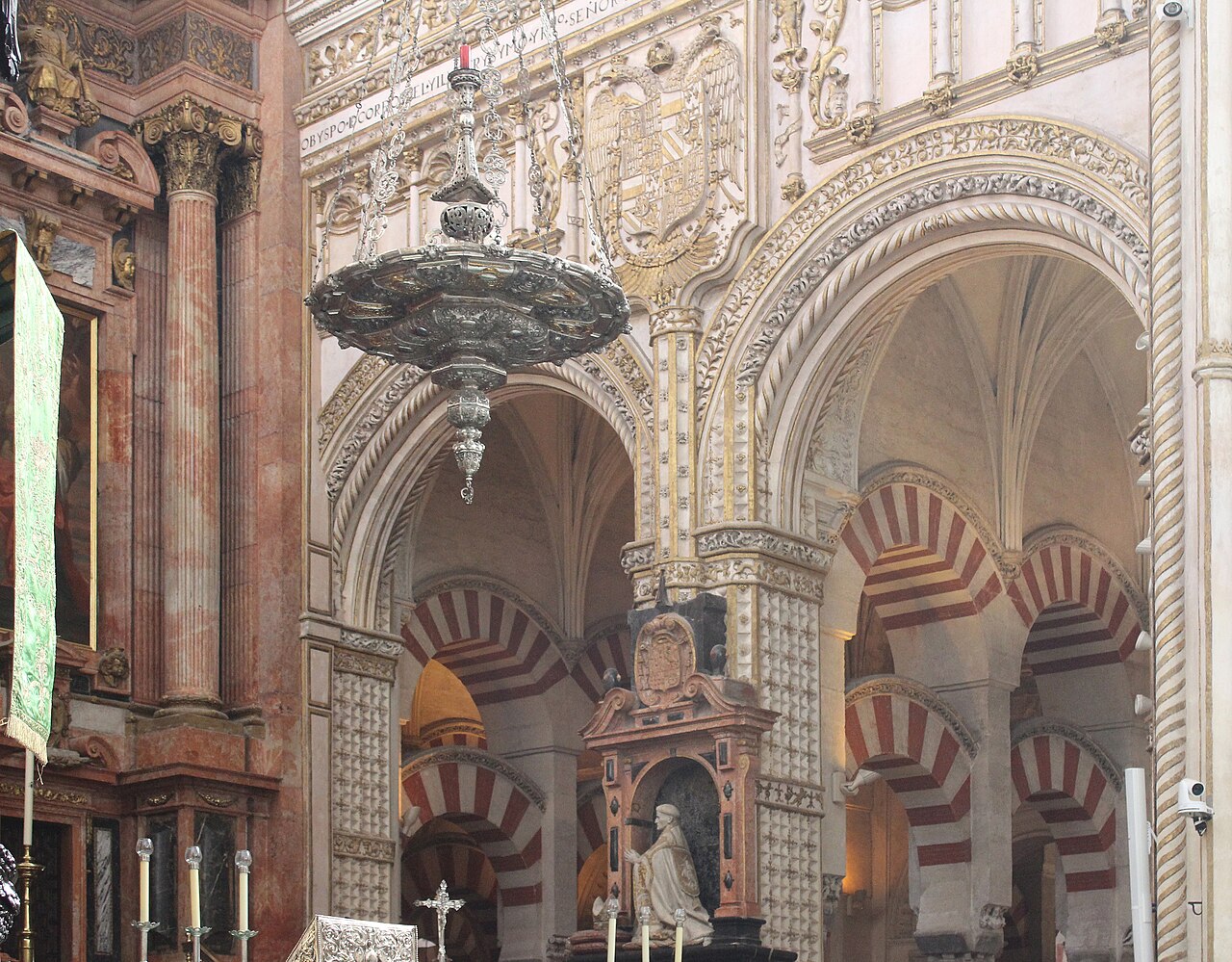
Whatever the season, it pays to check the calendar before you fix your dates. Local festivals and religious celebrations can affect opening hours at the Mezquita and other monuments, so check the calendar for your dates. Weekly closing days matter too: Medina Azahara, the Alcázar, the Palacio de Viana and the Archaeological Museum close on Mondays, while the Mezquita stays open. Many smaller museums keep reduced hours on Sundays and holidays.
Our recommendation
For the most beautiful city, go in April or early May, and book early. For a balance of weather and calm, choose October or early November, or March. For the lowest prices and quiet monuments, go in winter and dress in layers. If you must visit in summer, plan your days around the heat, choose a hotel with a pool and enjoy the nights, when Córdoba is at its liveliest.