Three days is the ideal length for Córdoba. It is enough to see the great monuments without rushing, to add the palace-city of Medina Azahara outside town, and to feel the rhythm of a city that wakes late, rests in the afternoon and comes alive after dark. The plan below groups sights by area, uses the cooler hours for the busiest places and keeps in mind that several sights close on Mondays, so adjust the order if your trip includes one.
Day one: the heart of the old city
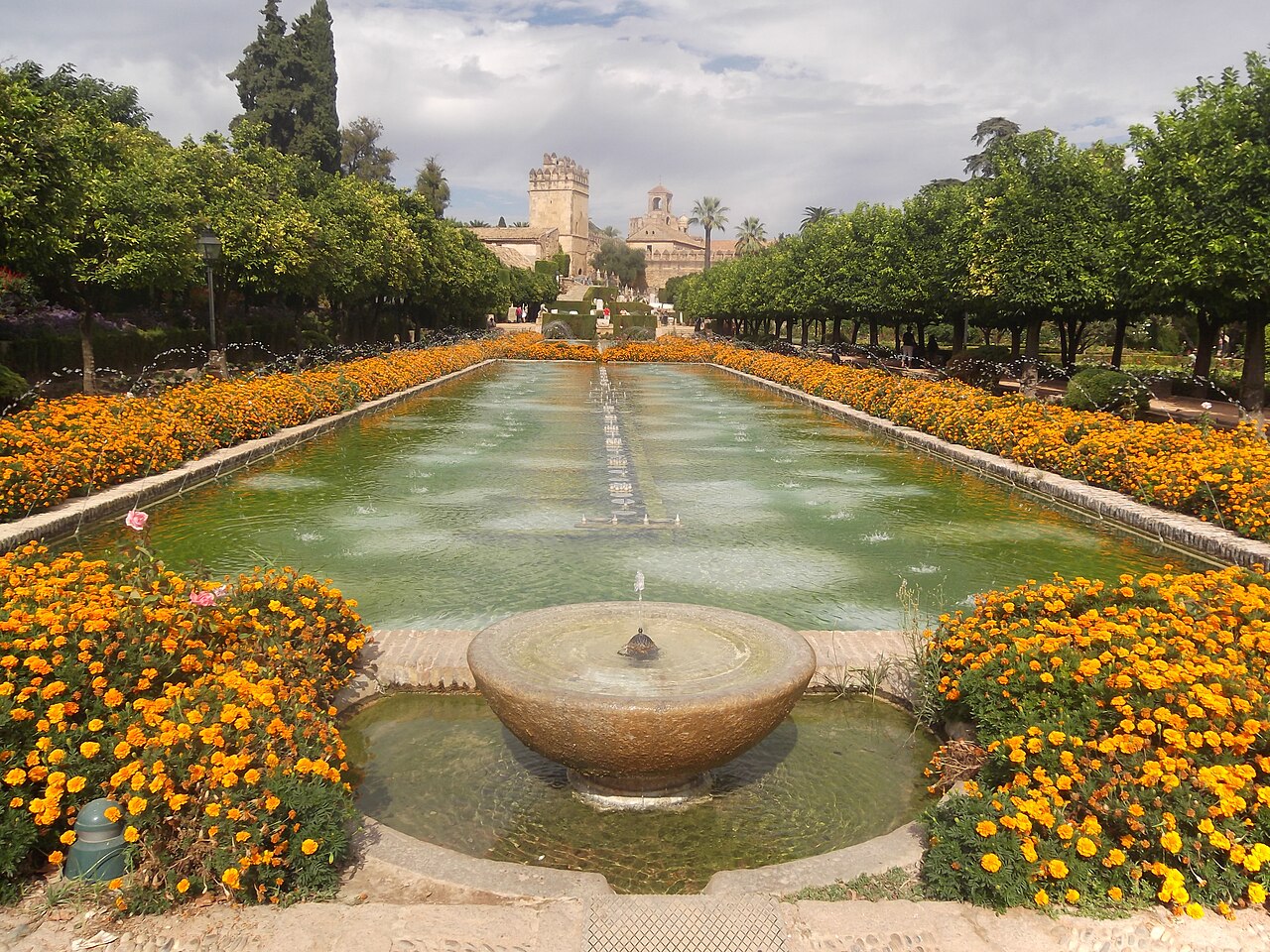
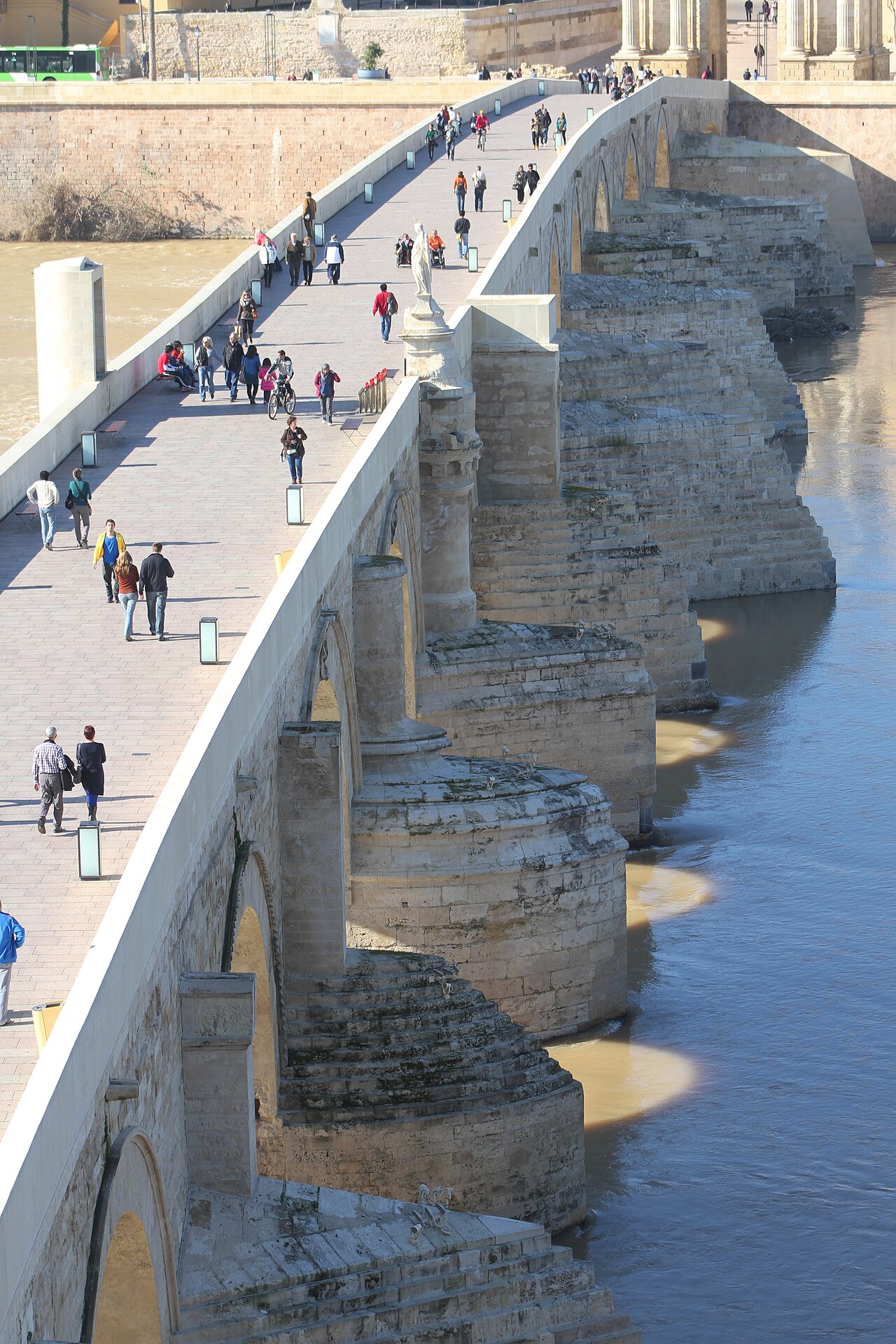
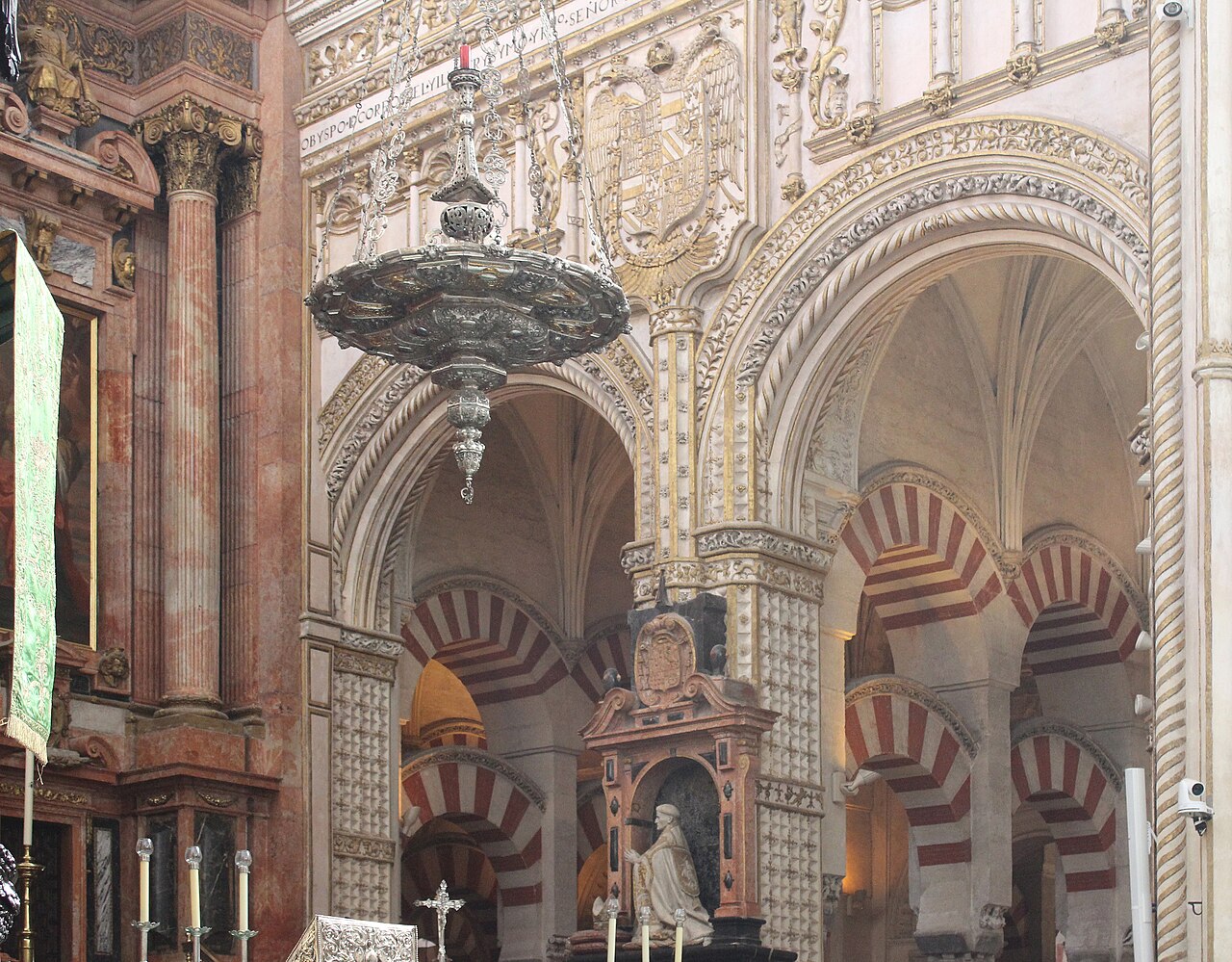
Start early at the Mosque-Cathedral, ideally in the free morning slot or the first paid hour, when the forest of arches is at its calmest. Give it at least ninety minutes, then climb the bell tower for the view. From there, step into the Jewish quarter, where the lanes are narrow and the whitewashed walls are hung with flowerpots. Visit the small medieval synagogue on Calle Judíos, find the statue of Maimonides, and walk through the Calleja de las Flores for the classic view of the bell tower framed by geraniums. Have a long lunch in the quarter, then spend the late afternoon at the Alcázar of the Christian Monarchs, with its towers, Roman mosaics and terraced gardens. Close the day with the Roman bridge at sunset, a look into the Calahorra Tower and the lights coming on along the river. In the evening, a flamenco show in the Jewish quarter makes a fitting end.
Day two: caliphs and courtyards
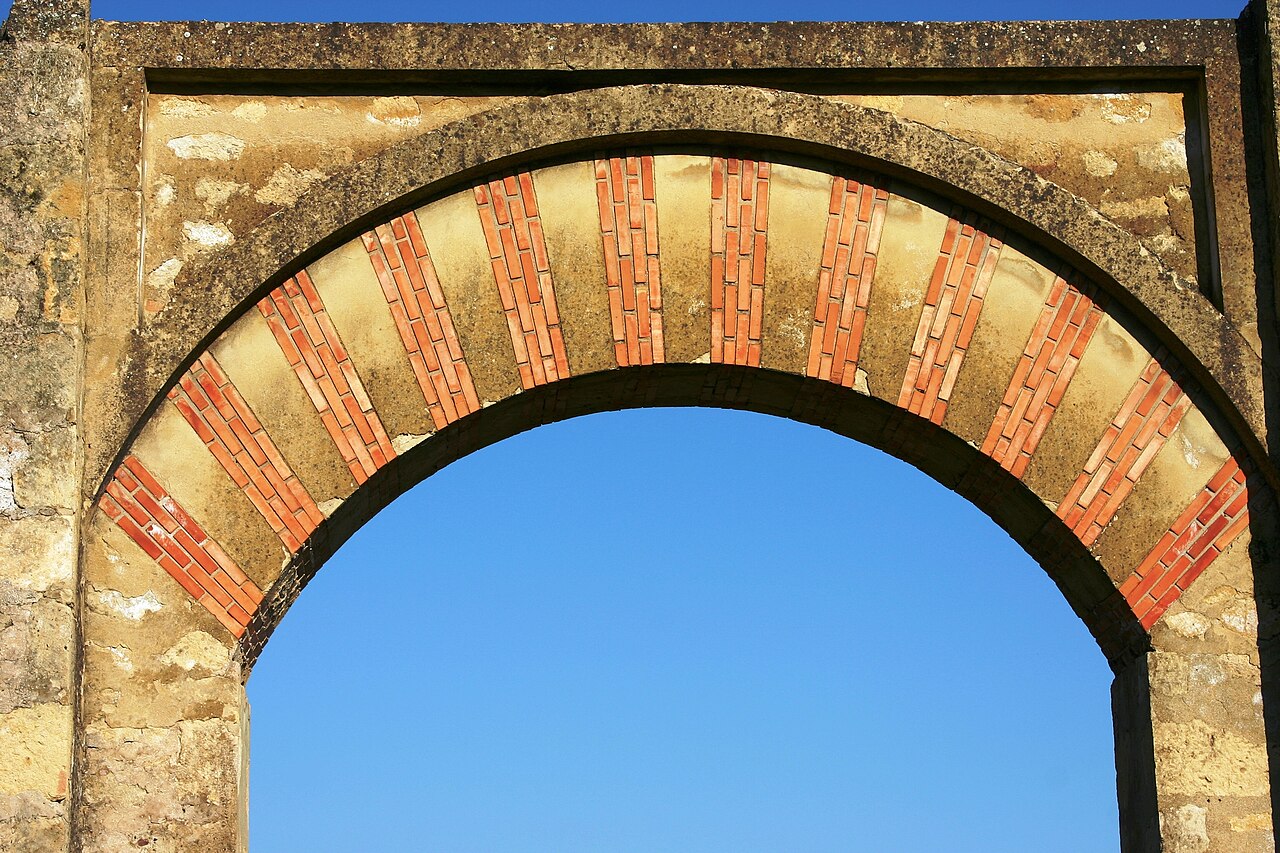
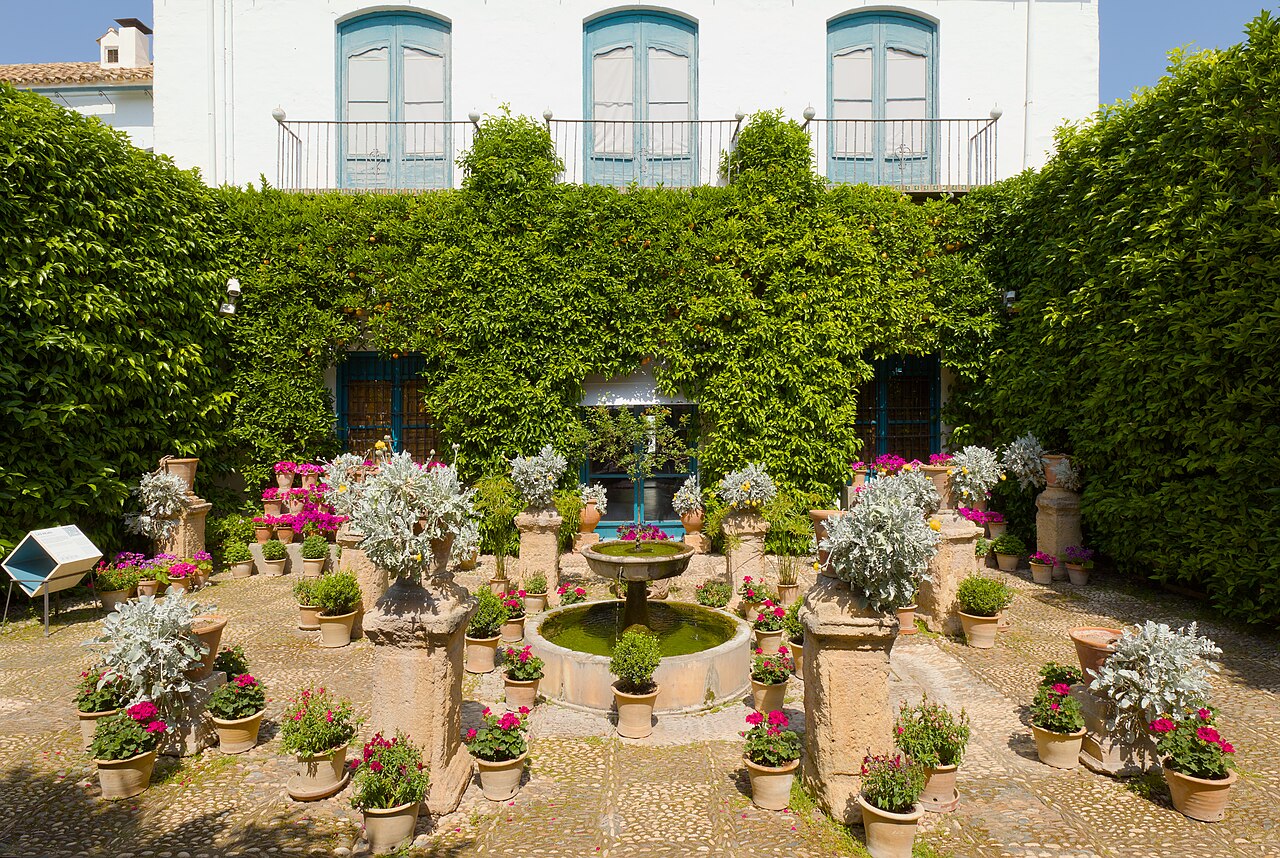
Spend the morning at Medina Azahara, the ruined palace-city of the tenth-century caliphs a few kilometres west of the city. A guided tour makes the site much easier to understand, and the transport from the city solves the question of the shuttle from the visitor centre. Return for a late lunch and rest during the hottest hours. In the afternoon, visit the Palacio de Viana, whose twelve patios and richly furnished rooms show how the Cordoban nobility lived, then walk through the quiet quarters of San Lorenzo and Santa Marina to see their Fernandine churches. Finish with tapas in the Plaza de la Corredera, the arcaded square at the centre of local life, and an evening stroll to see the floodlit monuments. Remember that Medina Azahara and the palace are closed on Mondays.
Day three: museums, markets and a slower pace
Begin with the Archaeological Museum, where Roman statues, Islamic finds and the remains of a Roman theatre explain the city before the caliphs. Walk to the Plaza del Potro and visit the Julio Romero de Torres Museum or the Fine Arts Museum next door, depending on your taste. Stop by the Roman temple on Calle Claudio Marcelo, then take a break in the Plaza de las Tendillas. In the afternoon, choose between a guided tour of the patios in the old quarters, a visit to the Caliphal Baths beside the Alcázar, or a ride on the hop-on hop-off bus to get an overview of the city and the river. If you like horses, an evening at the Andalusian horse show in the Royal Stables is an enjoyable alternative to a second flamenco night.
Adjusting the plan
If you have a Monday in your trip, use it for the Mosque-Cathedral, the Jewish quarter and the river, which stay open, and keep the Alcázar, Medina Azahara, the Viana palace and the museums for other days. In summer, move the outdoor sights to the early morning and late evening and use the middle of the day for museums, lunch and rest. In spring, book the Mezquita and the evening shows well ahead, because the city is full during the patio festival and the fair. In winter, days are shorter, so start early and enjoy the golden light on the stone in the afternoon.
Getting around
The old town is compact and largely pedestrian, so walking is the best way to see it, and most distances are under fifteen minutes. Medina Azahara needs a tour, a taxi or the shuttle from the visitor centre, and the hop-on hop-off bus is useful for the northern quarters and for tired legs. Wear comfortable shoes for the cobbles, carry water in the warm months and keep a light layer for the evenings.
Where to stay
Choose a base within a short walk of the Mezquita so you can enjoy the quiet hours of the early morning and the evening, when the day-trippers have gone. The Jewish quarter and the streets around the Plaza de la Corredera are the most convenient areas, while the Plaza del Potro suits travellers on a budget. Reserve parking in advance if you drive, because access to the historic centre is restricted.
A final tip
Do not try to see everything. Córdoba rewards slow travellers: a long lunch, a pause in a courtyard, a second look at the arches in the late light. Leave an hour or two unplanned each day and you will remember the city for its atmosphere as much as for its monuments.