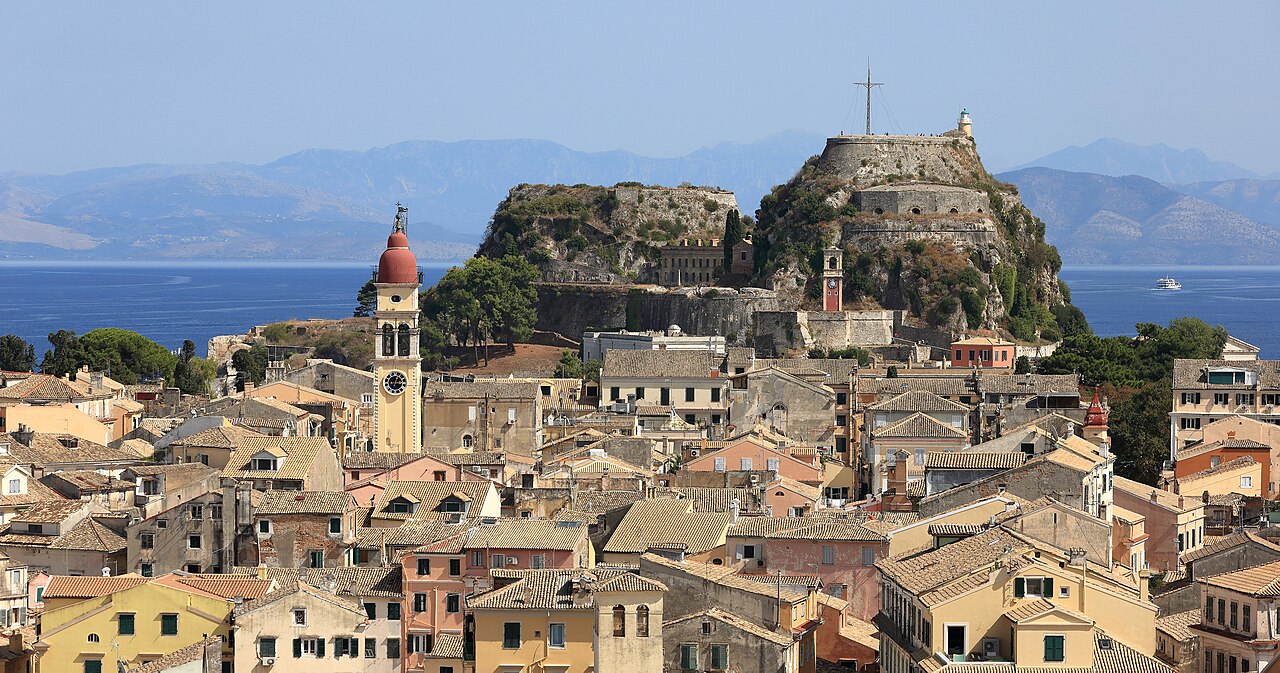
Corfu is greener than most Greek islands because it gets more rain, and that rain shapes the visitor calendar. The island has a long, hot, dry summer and a mild, wet winter, and the best month for you depends on whether you want swimming and boat trips or old town culture and quiet. This guide sets out the seasons plainly so you can choose, and notes which activities are seasonal.
Spring, March to May
Spring is when the island turns green and wildflowers cover the olive groves. March is still cool and showery, and international flights are only beginning to resume, so choices are limited. By April daytime highs sit in the high teens Celsius and by May in the low twenties, with the main tourist season getting under way. This is an excellent window for walking, the old town and the fortresses, with far fewer crowds than summer. The sea is still cold for most swimmers. Orthodox Easter, which often falls in April or May and follows its own calendar, is the most atmospheric time on the island. Processions go through the old town, local philharmonic bands play in the streets, and on Holy Saturday the custom of dropping clay pots from balconies draws crowds. If you plan to come at Easter, book your hotel well ahead and expect many local businesses to close on the holiday itself.
Summer, June to August
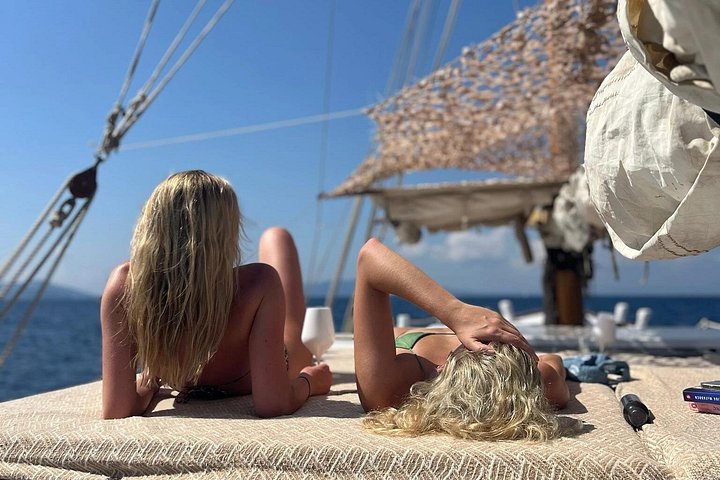
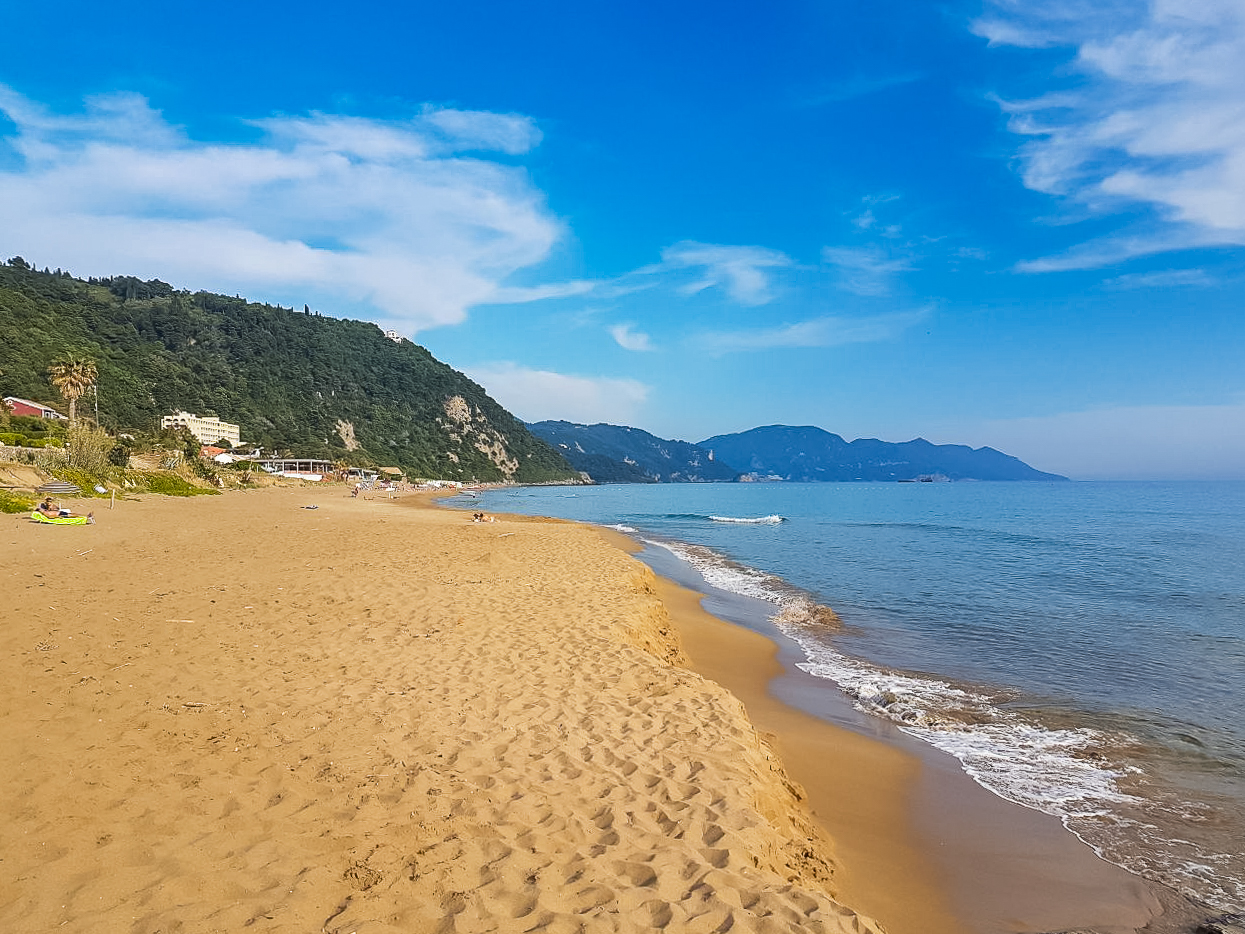
June is a very good month: hot but not extreme, the sea is warming and the full range of boat trips is running. July and August are the hottest and busiest months, with daytime highs around thirty degrees, and August coincides with school holidays across Europe. The sea is at its warmest, the Paxos and Antipaxos cruise and the Paleokastritsa cave trips are at their best, and the beaches and the water park come into their own for families. The costs are higher prices, packed roads on the west coast and cruise-ship crowds at the old town in the middle of the day. Book popular boat trips and cooking classes in advance, and visit the fortresses early or late, when the heat is gentler. Many Greeks rest in the afternoon, so shops may close for a few hours.
Autumn, September and October
September is the connoisseur's month: the sea is still warm, the crowds are thinner and the light is soft. It stays pleasant into October, though rain becomes more frequent, and hotels and seasonal businesses begin to close toward the end of the month. Boat trips continue into early autumn in suitable weather, but schedules shrink. This is also the season of the olive harvest preparations and of wine-making, so tastings and farm visits become more interesting.
Winter, November to February
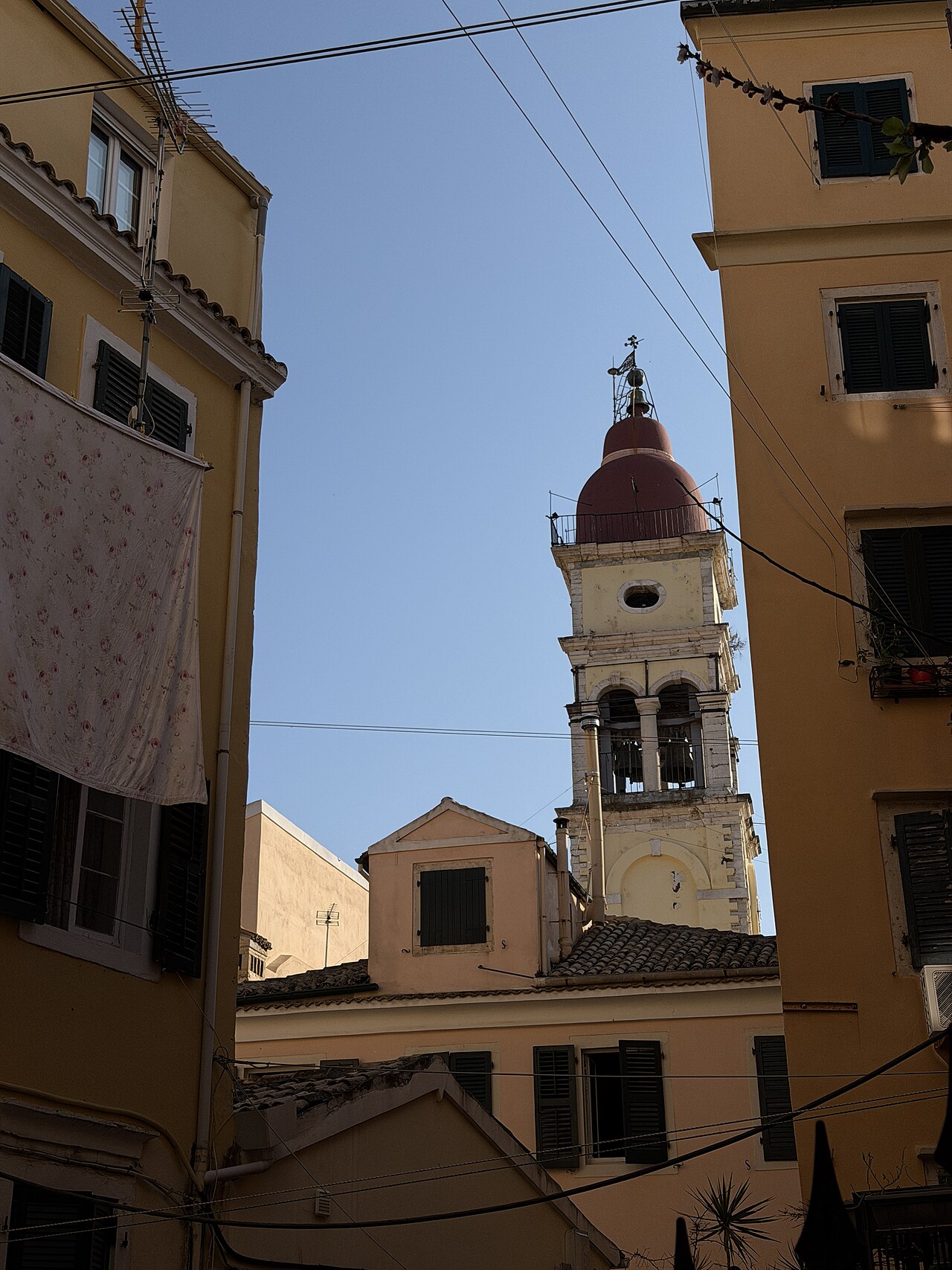
Winter is mild by northern European standards but wet. November and December are the rainiest months, with daytime highs in the teens, and January and February are the coolest, though snow on the island is rare outside the mountains. The upside is a quiet old town, low hotel prices and a local atmosphere. State sites such as the Old Fortress and Mon Repos move to winter hours, so check opening times and closing days. Angelokastro, the clifftop castle in the north west, is closed from 1 November to 31 March. Sea cave trips and the Paxos cruise are summer activities, Albania day trips are limited, and many beach resorts and seasonal cafes close. Plan around indoor and cultural activities: the museums, the Church of Saint Spyridon, a food tour, a cooking class and a winery visit. Pack a waterproof jacket and shoes with good grip for the polished stone lanes.
Festivals and local traditions
The relics of Saint Spyridon, the island's patron saint, are carried through the town in procession several times a year, including Palm Sunday, Holy Saturday, in August and on the first Sunday of November. These are moving and crowded occasions, so arrive early if you want a place on the route. Late June brings the Holy Spirit festival, and early August sees pilgrims climb Mount Pantokrator for the feast of the Transfiguration.
Our recommendation
For the best balance of weather, warm sea and manageable crowds, choose late May, June or September. Come in April or May for Easter and walking, in July and August only if you want beach and boat days and can accept the heat and the crowds, and in winter for culture, food and low prices.