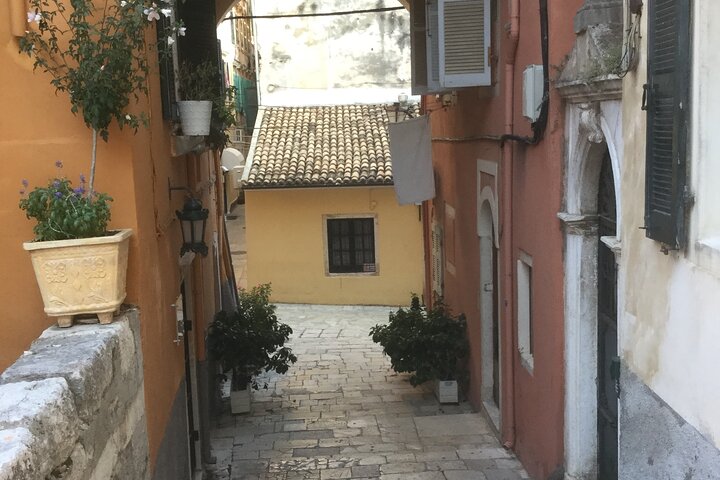
Corfu eats differently from the rest of Greece. For four centuries the island was ruled from Venice, and later passed through French and British hands, and the kitchen kept traces of all of it: sauces with spice and vinegar that feel Italian, a ginger beer that remembers the British garrison, and sweets made from a fruit that arrived from the Far East. This guide explains what to look for, what to order and how to learn about the cooking while you are here.
The signature dishes
Three names come up everywhere. Pastitsada is the island's Sunday dish: meat, traditionally rooster or beef, slow-cooked in a spiced red sauce with cinnamon and cloves and served over thick pasta. It tastes nothing like the baked pastitsio found on the mainland. Sofrito is thin slices of veal, usually pan-cooked and then simmered in a sharp sauce of white wine, garlic and vinegar, with a lot of parsley, and it is typically served with rice or potatoes. Bourdeto is a fish stew, often made with scorpion fish, in a fiery red pepper sauce. If a taverna offers all three, you have found a place that cooks local food rather than a general tourist menu.
Olive oil and the groves
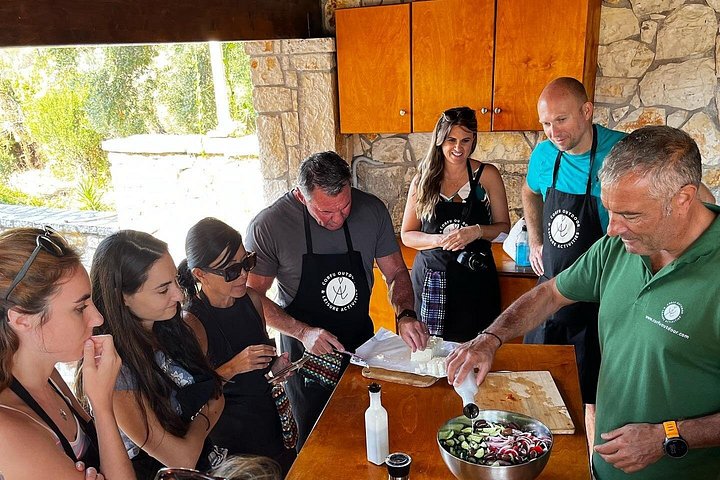
Corfu is covered in olive trees, many of them very old and large, a legacy of Venetian policy that rewarded planting. The oil is mild and fruity, and a tasting is the best way to learn the difference between a fresh, peppery early harvest and a rounder later one. Pressing takes place in the cooler months, so autumn and winter visits can combine a tasting with a look at how the harvest works. A cooking class and olive oil tasting is a particularly good rainy-day choice, as you cook simple local dishes and eat them together.
Wine, spirits and kumquats
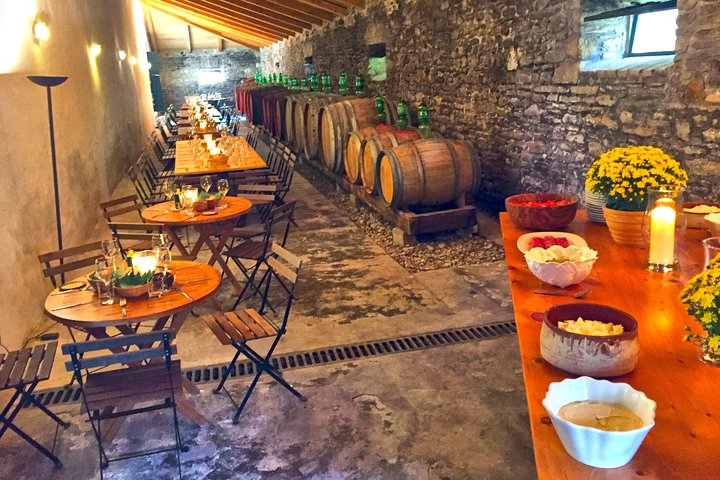
Island wines are not as famous as those of other Greek regions, but local white varieties and small producers are worth trying, and a winery visit with a tasting gives you a relaxed afternoon in the countryside. The kumquat, introduced to the island in the twentieth century, is now a symbol of Corfu. You will find it as a liqueur, as a preserve and as candied fruit in shops across the old town, and it makes a good edible souvenir. Tsitsibira, a ginger beer introduced under British rule, is a refreshing non-alcoholic option, and you will see it on the menus of some cafes and tavernas. For sweets, look for the almond nougat called mandolato, widely sold around the old town.
Where to eat in town
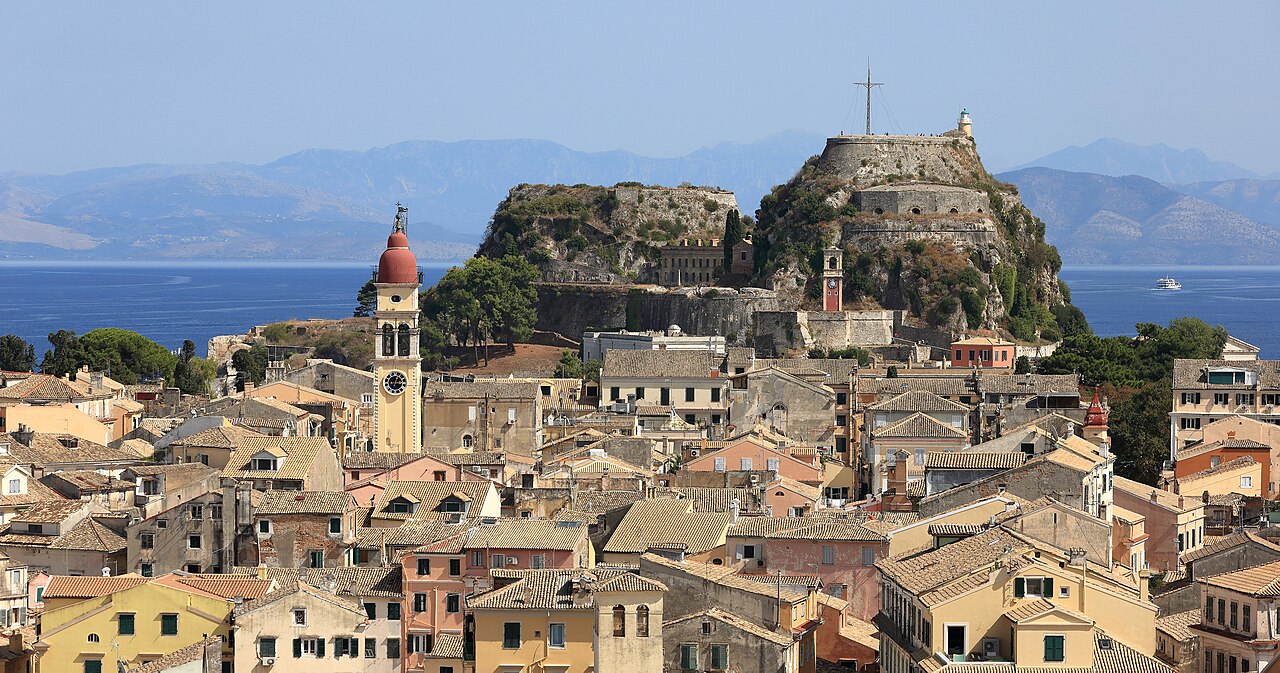
The old town is dense with tavernas, and the best approach is to wander away from the busiest stretch by the Liston and read the menu outside before you sit. Look for short menus, dishes of the day and places full of Greek speakers. The Liston itself is for coffee and watching the Spianada rather than for a serious meal, and prices there reflect the setting. Streets behind the arcade and near the old port tend to offer better value. Neighbourhood bakeries serve cheese and spinach pies early in the morning, which makes a cheap and filling breakfast.
Learning by doing
Corfu is a good place for a guided food tour, because the old town is full of small shops and eateries that visitors rarely find alone. A small-group tour typically moves between bakeries, delicatessens and tavernas and gives you the history of each dish as you eat it. Do it early in your stay so you can use what you learn for the rest of the trip. If you want a hands-on session, a cooking class is the other option, and it suits couples and families.
Eating like a local
Lunch is the main meal and tends to be late, and dinner rarely starts before eight. Many tavernas bring bread and charge a small cover amount; this is normal. Order a few dishes to share, and ask what is fresh that day, particularly for fish, which is usually sold by weight. Cards are accepted widely in town, but small places in villages may prefer cash. Tipping is modest: round up or leave a few euros. Outside the main season some tavernas and beach cafes close for months, so check opening days before you travel to a village for lunch.
A simple eating plan
Start with a food tour on your first evening to find your bearings, try pastitsada or sofrito at a taverna the next day, then spend a wet afternoon in a cooking class or at a winery. Finish with a bottle of kumquat liqueur and a box of mandolato for the journey home.