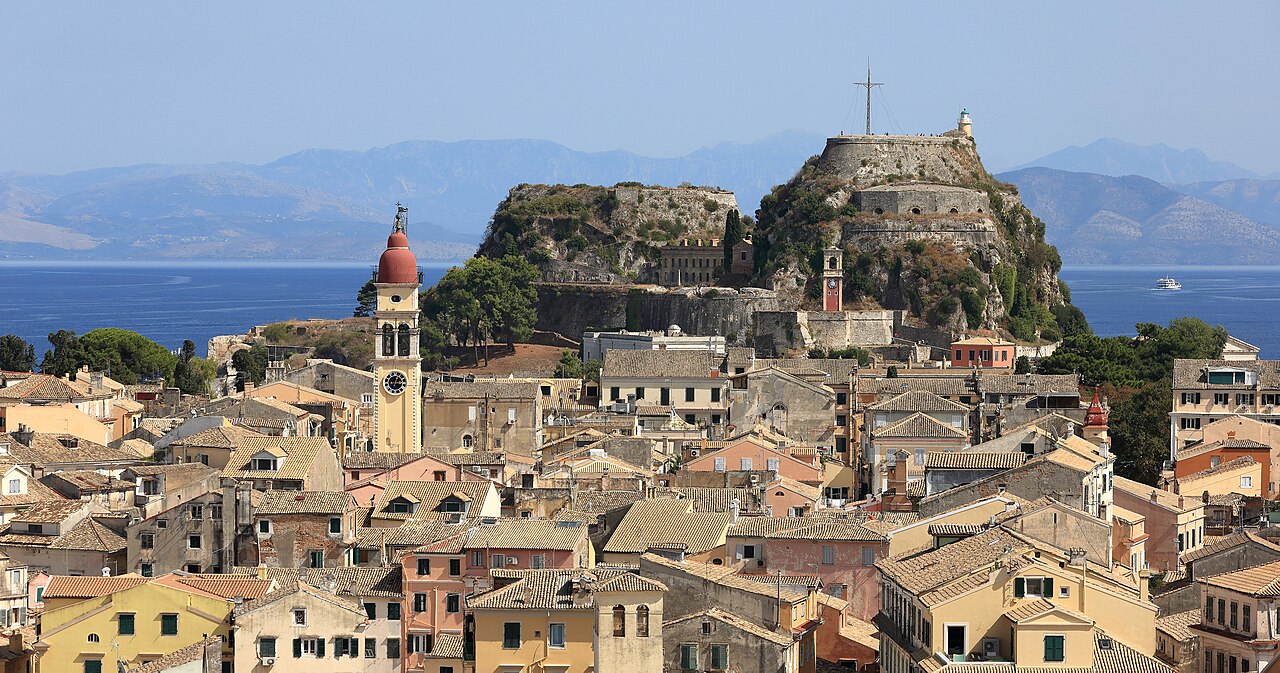
Three days is the right length for a first visit to Corfu if you sleep in Corfu Town. It is enough to see the UNESCO-protected old town and its two Venetian fortresses without rushing, to reach the green royal estate and the famous view at Kanoni, and to spend one day on the coast or the water. The plan below keeps each day geographically tight, because the island is bigger than it looks on the map and the roads outside town are slow.
Day one: the old town and the fortresses
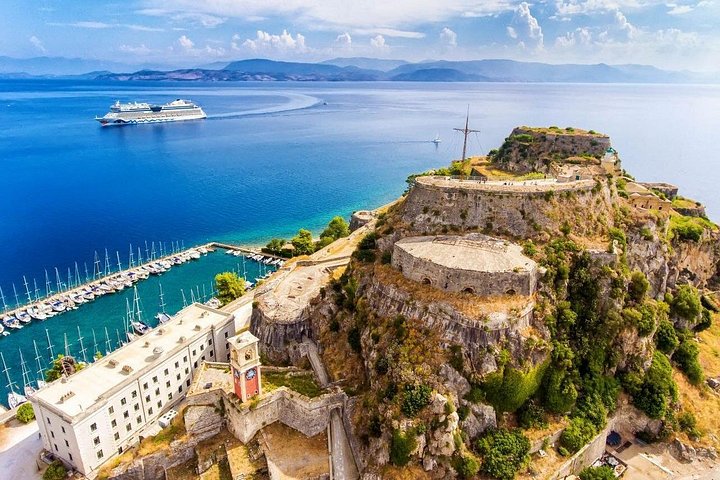
Begin with a guided walk through the old town, which is the quickest way to understand a place that was Venetian for four centuries, French and then British for shorter spells, and Greek since 1864. The lanes, known locally as kantounia, are steep, narrow and shaded, and the tall pastel houses are crowded with laundry, shrines and small shops. After the walk, cross to the Liston, the arcade modelled on the Rue de Rivoli in Paris, and take coffee facing the Spianada, the big open square where cricket is still played in season. In the afternoon, walk to the Old Fortress, which sits on its own rocky promontory, and climb to the top for the view across the town roofs and the strait toward Albania. Finish with a slow walk along the old port as the light drops. Do not try to add the New Fortress on the same day unless you are an early riser; it makes a calmer second visit.
Day two: Mon Repos, Kanoni and the museums
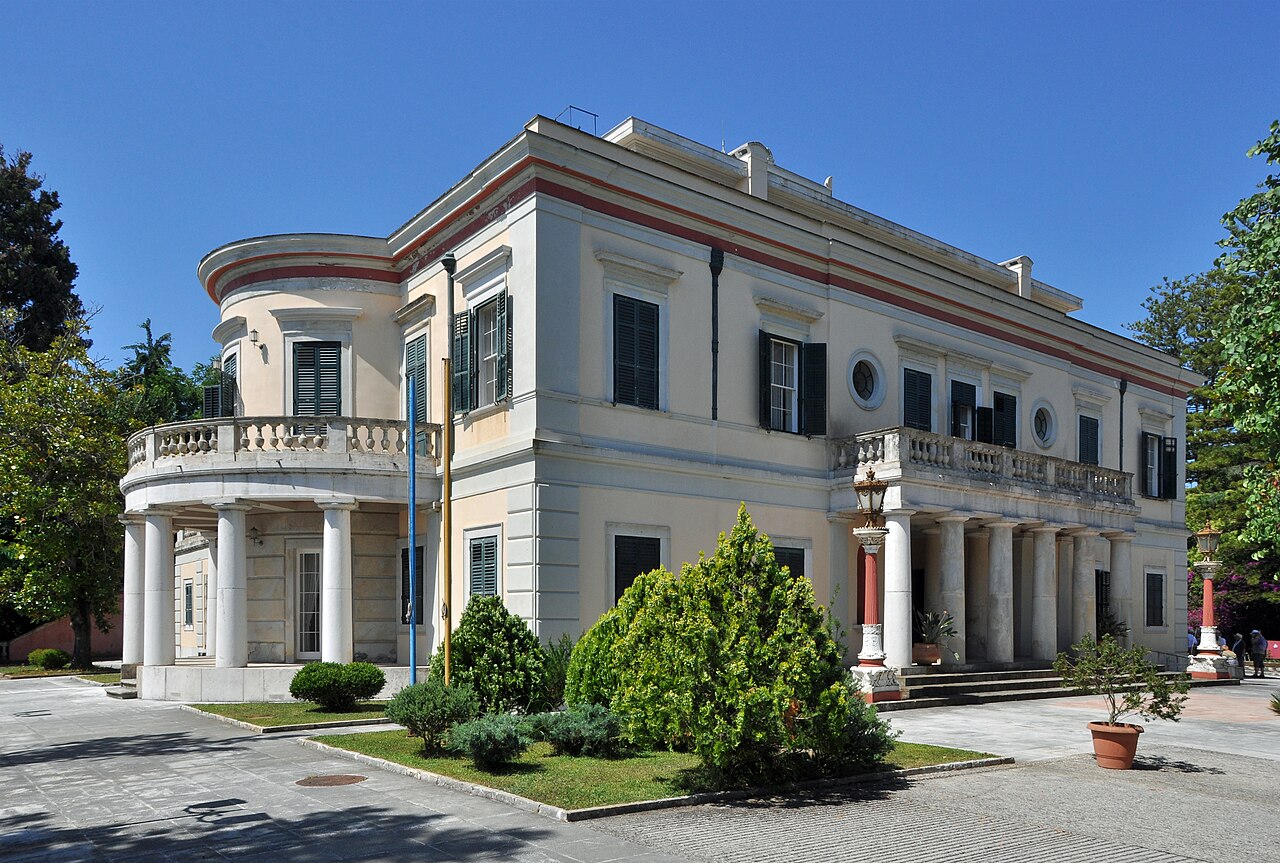
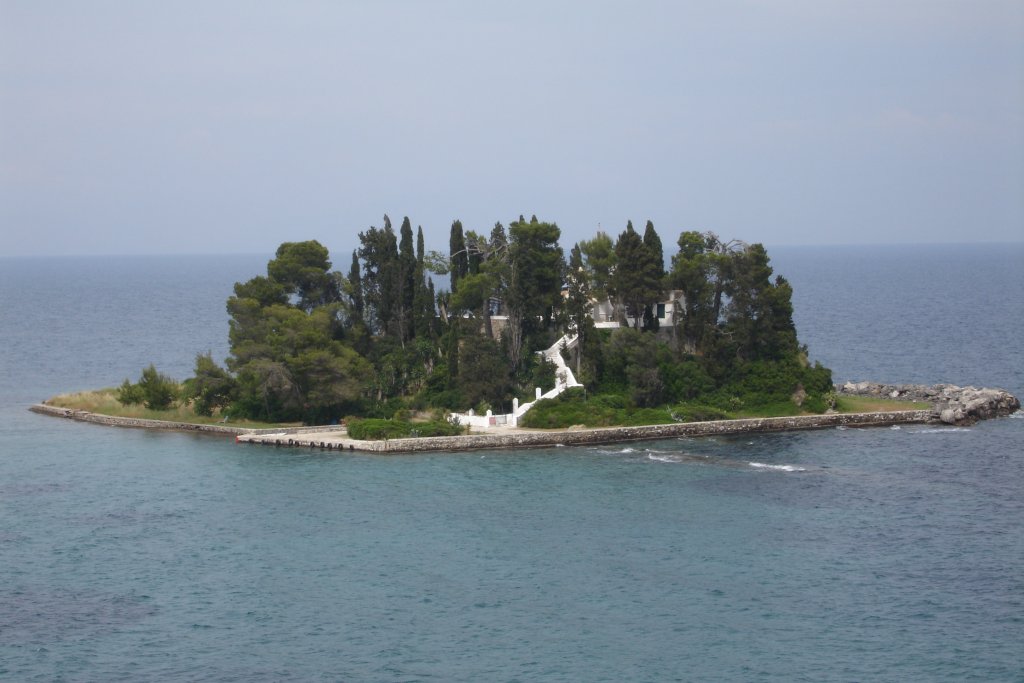
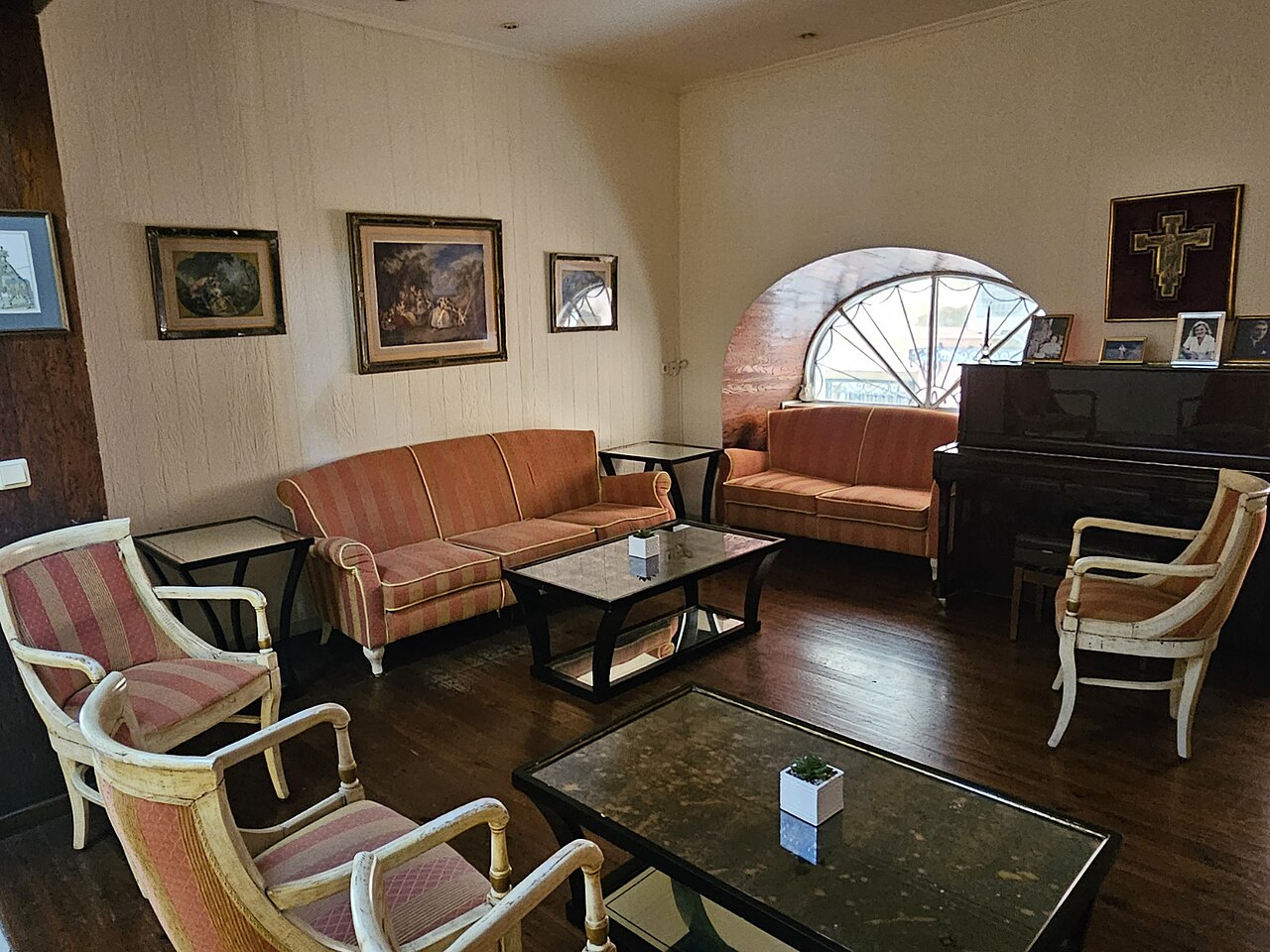
Spend the morning at Mon Repos, the neoclassical villa where Prince Philip was born, set in woodland above the shore at the site of ancient Palaiopolis. The museum inside tells the story of the estate and the island, and the paths through the trees are a pleasant walk in cool weather. Note that state sites close on set days and keep shorter hours outside summer, so check before you set out; Mon Repos is closed on Tuesdays. From there continue south to Kanoni, where the airport runway runs beside the lagoon and the tiny wooded island of Pontikonisi, often called Mouse Island, sits just offshore with a white chapel on it. The terrace view is free and worth an hour at any time of year. Return to town for the Archaeological Museum, which holds the pediment of the Temple of Artemis, one of the best-preserved Archaic Greek sculptures anywhere, or for the Museum of Asian Art in the old town. Spend the evening on a food tour or at a taverna dinner, since Corfu cooking is distinct from the rest of Greece.
Day three: choose your coast
The third day is where the season decides. From late spring to early autumn, head to the west coast and Paleokastritsa, where a boat trip takes you into sea caves and under steep green cliffs, and the monastery above the bay is a quiet stop with a garden and a small museum. If you prefer a day on the open water, a cruise to Paxos and Antipaxos or a swimming and barbecue boat trip fills a whole day and suits families and couples alike. In winter and the colder shoulder months, swap this for a cooking class and olive oil tasting, a winery visit, or a drive north to the abandoned village of Old Perithia beneath Mount Pantokrator. All of these depend on weather, so keep the day flexible and decide the evening before.
How to move around
The old town is compact and best done on foot in comfortable shoes with grip, because the stone paving is polished and slippery in the rain. Blue city buses run from San Rocco Square to the airport, the port and nearby coastal resorts; green KTEL coaches serve the longer cross-island routes from a separate station about fifteen minutes on foot from the centre. A taxi is simplest for Mon Repos and Kanoni if you do not want to wait for a bus, and a hire car is only worth it for the west and north, where the roads are narrow and bends are tight.
What to book and when
The fortress, Mon Repos and the viewpoints need no reservation. Boat trips, the Paxos cruise, cooking classes and food tours are small-group activities, so reserve them as soon as you know your dates, especially from June to September. If your trip falls in the quieter months, confirm that your chosen cruise or caves trip is running at all, because many are seasonal.
If you have a fourth day
Add the Achilleion Palace, built for Empress Elisabeth of Austria in the 1890s, and check its current visiting arrangements before you go. Or take the short crossing to Saranda and the ruins of Butrint, the UNESCO-protected site in Albania, with your passport or identity document ready.
Practical notes
Greece uses the euro. Cards are accepted in most of town, but carry cash for small tavernas, bakeries and bus tickets. Tipping is modest: round up the bill or leave a few euros for good service. Dress modestly in churches and monasteries, covering shoulders and knees, and expect a quiet stretch of the afternoon in summer when shops close. Dinner starts late, often after eight in the evening, so use the early evening for the old port and the Liston.