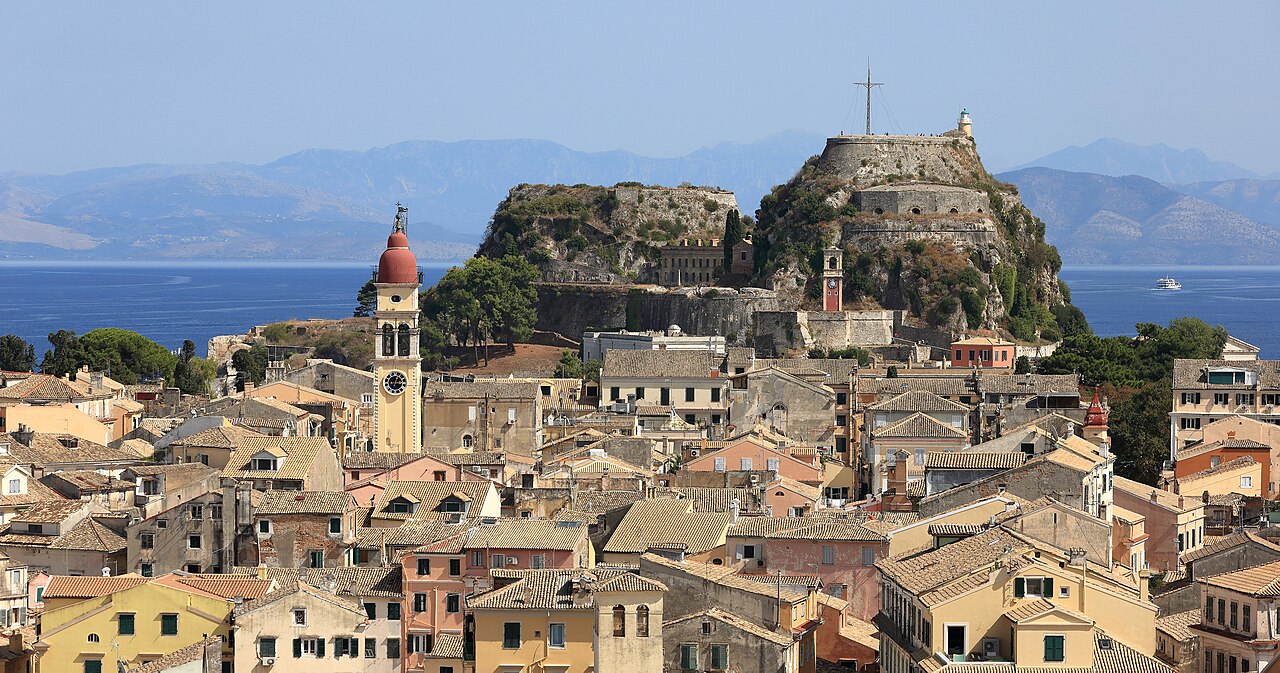
Corfu is a green, hilly Ionian island with one outstanding town, a coastline of coves and sea caves, and a food culture shaped by Venetian, British and Greek hands. Most visitors base themselves in or near Corfu Town, and a little planning decides whether you spend the trip in traffic or in the places that matter. Here is how to shape a first visit, with notes for the quieter months.
How many days
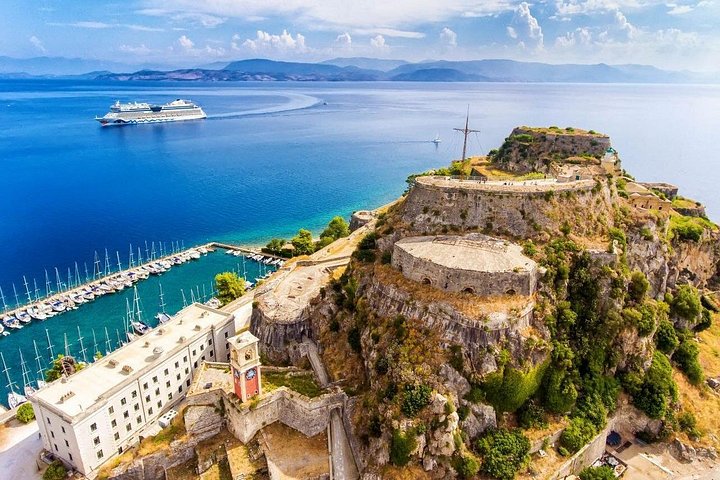
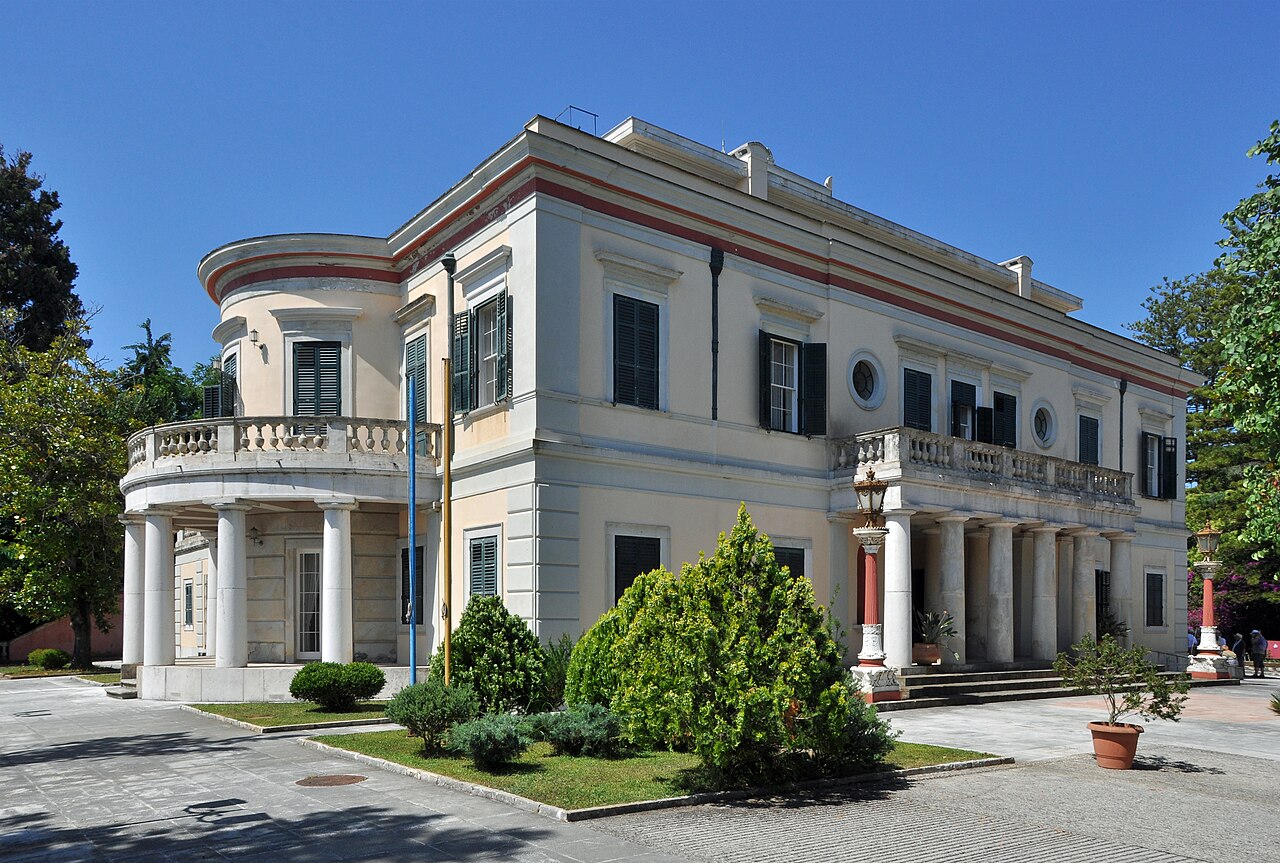
Three days cover Corfu Town properly: the old town and its UNESCO status, the Old Fortress, the Liston and Spianada, Mon Repos and Kanoni. Five days let you add a west coast day at Paleokastritsa, a food tour or cooking class, and a day on the water. A week allows a sea trip to Paxos and Antipaxos or a day across the strait in Albania, plus slow days for the villages.
Start in the old town
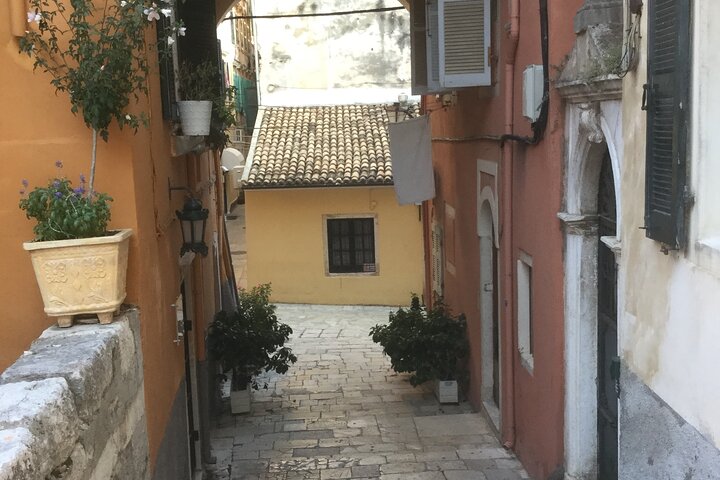
Corfu Old Town is free to wander and best understood with a local guide for the first few hours. A small-group walking tour gives the stories behind the Venetian lanes, the French-style arcade and the churches. Then use the Liston and Spianada as your meeting point: coffee on the arcade, a walk across the green to the Old Fortress, and an evening stroll along the old port.
What to book ahead
In summer, boat trips such as the Paxos and Antipaxos cruise and the Paleokastritsa cave trips are worth booking a few days early. Food tours and cooking classes are small-group experiences and fill up, so reserve them at the start of your stay. The fortress, Mon Repos and the viewpoints need no advance booking.
Getting around
The old town is compact and walkable. Local buses and taxis cover Kanoni, Mon Repos and the airport, and a hire car is the easiest way to reach Paleokastritsa and the north, though west coast roads are narrow and winding. Parking in the old town is difficult, so leave the car at your hotel or in a car park near the edge of the centre.
Where the headline sights fit
Day one: the old town, the Liston and the Old Fortress. Day two: Mon Repos in the morning, then Kanoni and Mouse Island, with a food tour in the evening. Day three: Paleokastritsa and the west coast in season, or a cooking class and olive oil tasting on a wet day. Later days: Paxos and Antipaxos or the Albania day trip, both of which depend on the season.
Visiting in November and winter
The off-season is a good time for culture and food, with mild days, fewer crowds and lower prices, but a number of things close or reduce. State sites such as the Old Fortress and Mon Repos move to winter hours from 1 November, typically 08:30 to 15:30, with free entry on the first and third Sunday of each month; Mon Repos closes on Tuesdays. Angelokastro, the clifftop castle in the north west, is closed from 1 November to 31 March. Boat trips to the sea caves at Paleokastritsa and day cruises to Paxos and Antipaxos are summer-season activities, and Albania day trips are limited in winter. Many beach resorts and seasonal cafes close until spring, but the old town stays lively.
Rainy-day plans
Head for a cooking class, a food tour, a museum in the old town or a long lunch on the Liston. Mon Repos has a museum as well as woodland paths, and the Old Fortress houses a Byzantine collection and a library. Weather in Corfu can turn wet quickly in winter, so keep a flexible plan.
Food and manners
Try pastitsada, sofrito and bourdeto, drink a glass of local wine, and look for kumquat sweets and ginger beer, a British legacy. Cards are widely accepted in town, but carry some cash for small tavernas and markets. When visiting churches and monasteries, cover shoulders and knees.