Cuenca eats like the highlands it belongs to: pork, corn, potatoes and soups, with colonial sweets and tropical fruit arriving from the lowlands. The city takes food seriously, and the best meals are often the simplest. This guide covers what to order, where the habits are different from home and how to plan your days around the table.
Start with the market
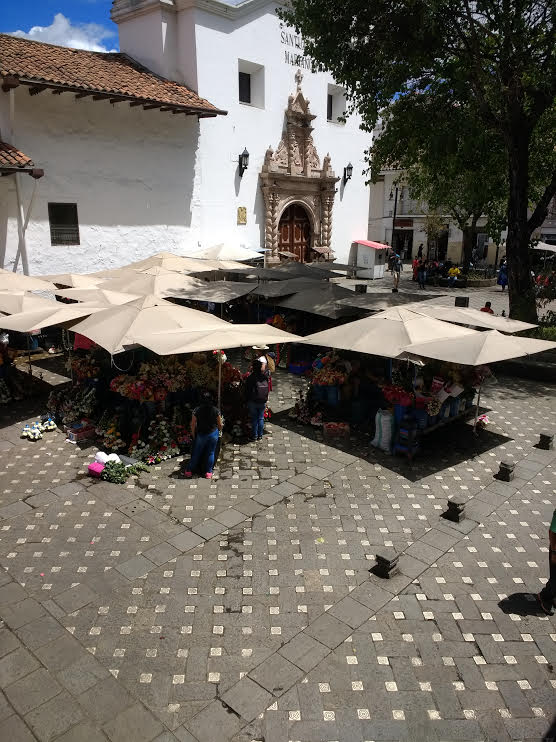
Mercado 10 de Agosto is the city's everyday kitchen. Stalls serve hornado, slow-roasted pork carved to order and served with potato patties called llapingachos, as well as tamales, humitas and bowls of hot soup. Fresh juices come in flavors you may not know, from naranjilla to tree tomato. Prices are low, the turnover is high and the atmosphere is lively. Go late morning, bring small bills and choose busy stalls. A food tour or a cooking class that starts at the market is a good way to learn names and ingredients on your first day.
Breakfast and the daily rhythm
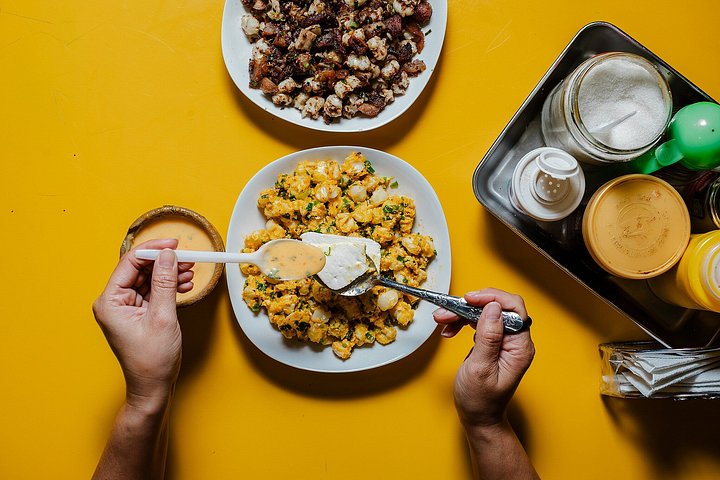
Breakfast in Cuenca often means coffee or hot chocolate with bread, eggs or a regional dish such as mote pillo, hominy fried with eggs and onion. Lunch is the main meal, and many restaurants offer a set menu with soup, a main course, juice and dessert at a modest price. Dinner is lighter and later, though restaurants in the center stay busy into the evening. In the afternoon, cafes fill with people having coffee and pastries, and the sweet shops do a brisk business.
Dishes to try
Besides hornado and mote pillo, look for locro, a potato and cheese soup, caldo de gallina, a restorative chicken broth, and empanadas, which are often baked or fried and filled with cheese or meat. Cuy, roasted guinea pig, is a traditional celebratory dish that adventurous eaters try at least once, usually served whole with potatoes. Trout from the high lakes appears on menus near Cajas. Sweet treats include fruit confections, pastries and ice cream made in copper pans, a tradition people take pride in. Vegetarians can eat well on soups, cheese dishes, plantains and the many fruit and vegetable options, though it helps to ask whether broth or lard is used.
Drinks
Fresh juices are everywhere, and Ecuadorian coffee and chocolate are worth tasting on their own. Canelazo, a hot drink of sugarcane spirit, cinnamon and fruit juice, appears in cool weather and at festivals. Local beer and wine are available, and cocktail bars in the historic center serve inventive drinks with regional ingredients. Alcohol hits harder at altitude, so go gently the first evening and drink plenty of water.
Chocolate and cacao
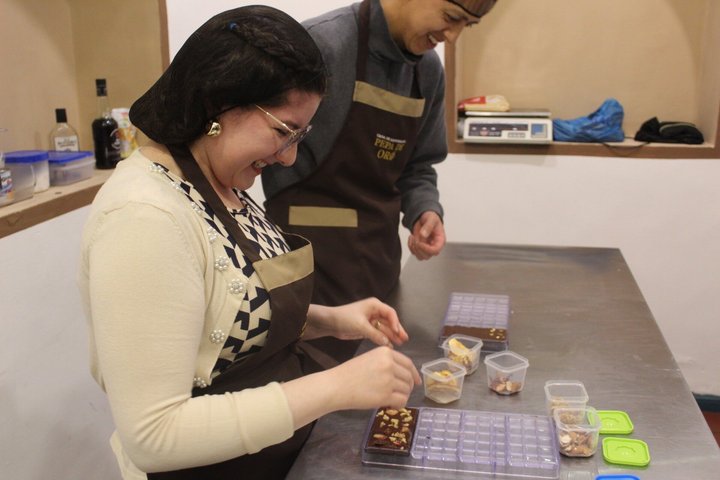
Ecuador grows some of the finest cacao in the world, and Cuenca has small makers who turn it into bars, bonbons and drinking chocolate. A chocolate tour with a practical class is a pleasant afternoon, and a good source of gifts that pack well. Ask the makers which bars travel best in warm luggage.
Eating with confidence
Choose busy places with food cooked in front of you, peel fruit yourself if you are cautious and ask about ice in drinks. Tap water is not generally recommended for visitors, so use bottled or filtered water. Tipping is modest, and a service charge may already be included in the bill, so check before adding more. Reservations are rarely needed for casual meals, but a table at a popular restaurant on a weekend evening is worth booking.
Planning your food days
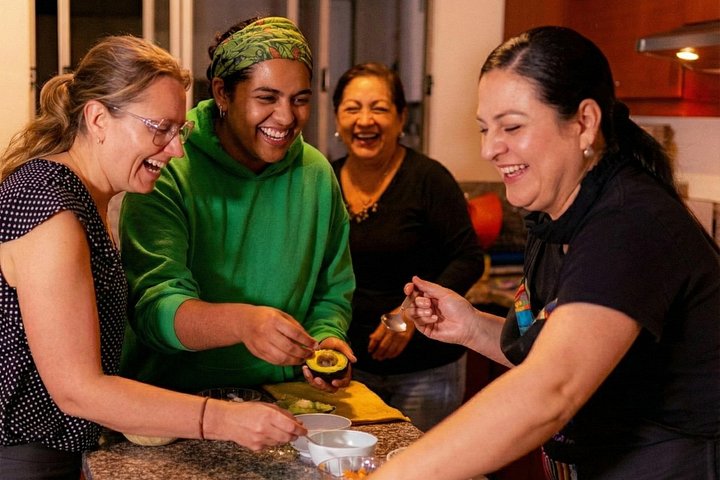
Pair a morning market visit with a food tour, spend an afternoon in a cooking class and keep one evening for a long dinner in a colonial courtyard. If you take a day trip, eat where the tour stops: roadside restaurants near Cajas serve trout and soup, and the artisan towns offer local lunches. Between meals, snack on empanadas, fruit and sweets, and save room for something you cannot name. The city's tables reward curiosity, and a little Spanish goes a long way. Ask the cook what they recommend, and you will rarely be disappointed.
A few etiquette notes
Greet staff with a buenos dias or buenas tardes, wait to be seated in smaller restaurants and ask for the bill when you are ready, since it rarely arrives on its own. Sharing tables at markets is normal and friendly. If you are invited to taste something, accept with a smile even if you only take a bite. Locals are proud of their food and delighted when visitors ask questions, so a curious attitude opens doors, and often leads to the best recommendation of the trip.