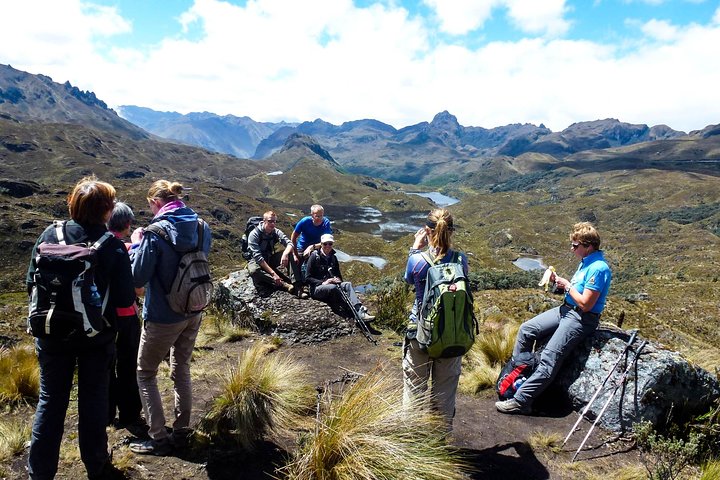
Cuenca makes a superb base because the landscapes around it are so varied: high Andean moorland to the west, Inca ruins to the north, craft villages to the east and green valleys to the south. Most excursions leave in the morning and return by evening, with pickup from central hotels. Here is how to choose.
Cajas National Park (west, about 30 kilometers)
The most popular excursion, and the one that most changes the feel of a trip. The road climbs past 4,000 meters into a plateau of glacial lakes and polylepis forest. Half-day tours suit most travelers and leave the afternoon free, while full-day trips add longer walks. Birdwatching tours spend the early morning with a specialist guide. Dress for cold, wind and rain whatever the season, and go slowly on the trails. If you can do only one day trip, this is a strong candidate.
Ingapirca (north, about 80 kilometers)
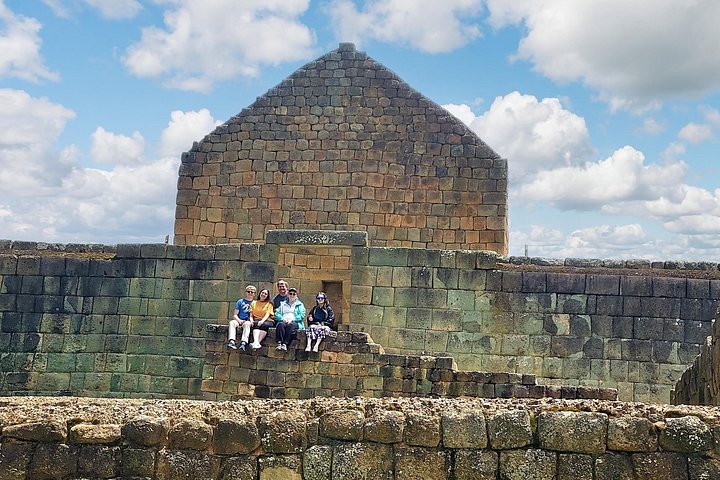
Ecuador's best-known Inca site is a two-hour drive from the city and makes a full-day outing. The oval Temple of the Sun, set on Cañari foundations, is the centerpiece, and a guide brings the stones to life. Most tours include a village stop and lunch. Hikers can choose a version that walks part of the old Inca road. Combine Ingapirca with the Pumapungo park in Cuenca for a complete picture of the pre-colonial story.
Devil's Nose and Ingapirca (north, long day)
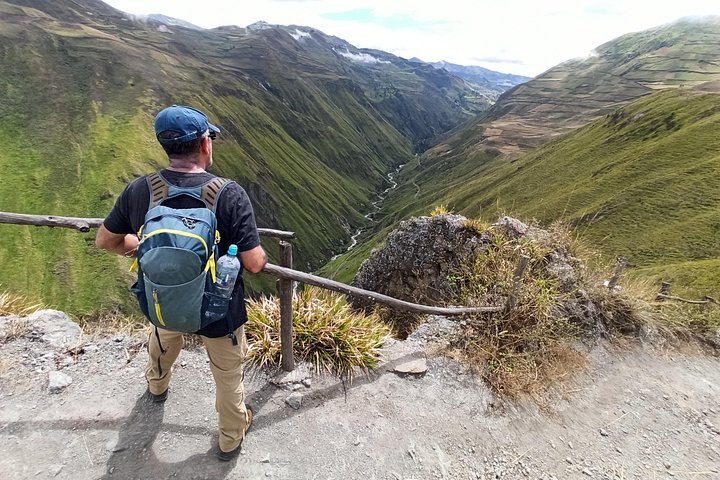
For travelers who enjoy dramatic scenery, a longer excursion adds the Devil's Nose switchback area near Alausi to the Ingapirca visit. It is a lot of road, ten hours or more, so choose it only if you like scenery and engineering. Confirm whether a train ride is included in the version you book, since some focus on viewpoints.
Gualaceo, Chordeleg and San Bartolome (east)
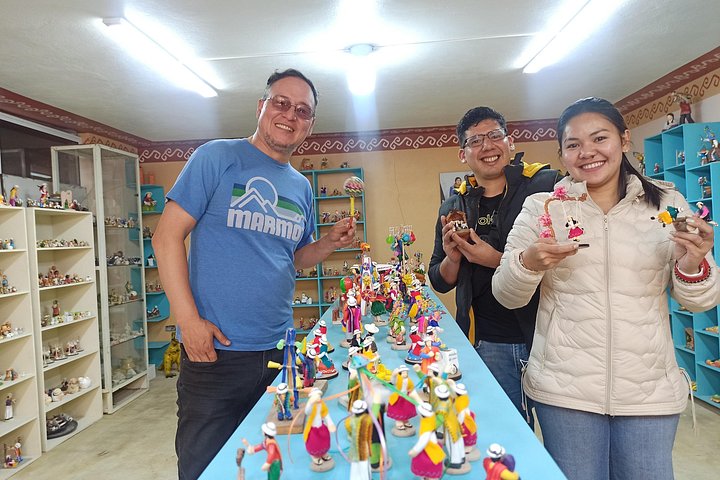
A craft loop of small towns. Gualaceo is known for ikat shawls and its Sunday market, Chordeleg for filigree jewelry, and San Bartolome for guitars. The roads wind through green valleys and the pace is easy. It is the best day trip for shoppers, and the best way to meet the artisans behind the souvenirs. Bring small bills and a reusable bag.
Giron waterfall and Busa Lake (south)
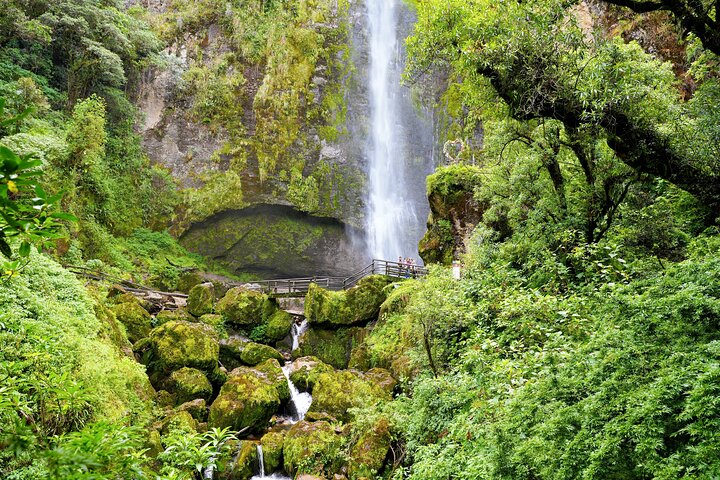
A gentler half-day outing to a tall waterfall and a quiet highland lake. It is a good choice for the first days when you are still adapting to altitude, or for families who want an easy walk in green scenery. Wear shoes with grip, because the final stretch to the base of the falls can be wet.
Cacao and chocolate
For something sweeter, some operators combine a cacao farm visit in the warmer lowlands with other stops, which is a longer day but a fun one for chocolate lovers. A workshop in the city offers a shorter alternative.
Active options
Cycling tours on the rivers inside the city and longer rides in the countryside are available, as are hiking days in Cajas that cover more distance than the standard visit. Fishing is possible in the lakes of the park with a guide.
Choosing and combining
If you have three days, do Cajas and Ingapirca on separate days with a city day between them. If you have five, add the artisan towns and the Giron waterfall. If you are short on time, look for tours that combine two sights, such as Cajas with a city tour, but remember that combined tours trade depth for coverage. Private tours cost much more than group departures, though they allow you to shape the day around your own interests and are a good choice for families, small groups and anyone with mobility needs.
Practical tips
Book popular tours a few days ahead in high season, and confirm pickup points and times the evening before. Carry water, snacks, sun protection and layers. If you are prone to motion sickness, ask for a front seat on winding roads. Leave a slack evening after the longest days, and be realistic about how much you can do at altitude. The best trips are the ones where you come back tired and happy rather than exhausted, and Cuenca's day trips are designed for exactly that balance.
Weather and timing
Mountain weather decides many of these days. Clear mornings favor Cajas and the viewpoints, while wet afternoons can slow roads and hide views, so start early and keep your schedule flexible. In the wetter months, ask operators about trail conditions before you pay, and carry a spare layer. Operators will usually reschedule or advise if conditions are unsafe, which is another reason to book with a reputable guide rather than improvising on the day.