Cuenca rewards a slow pace. The city sits at roughly 2,500 meters, the center is compact enough to cover on foot, and the best excursions leave in the morning and return for dinner. Three days is enough to see the colonial heart, spend a day in the Andes and visit the region's Inca site, as long as you leave room for coffee stops and an afternoon rest. This plan assumes you arrive on day one with a free afternoon.
Day one: the colonial heart
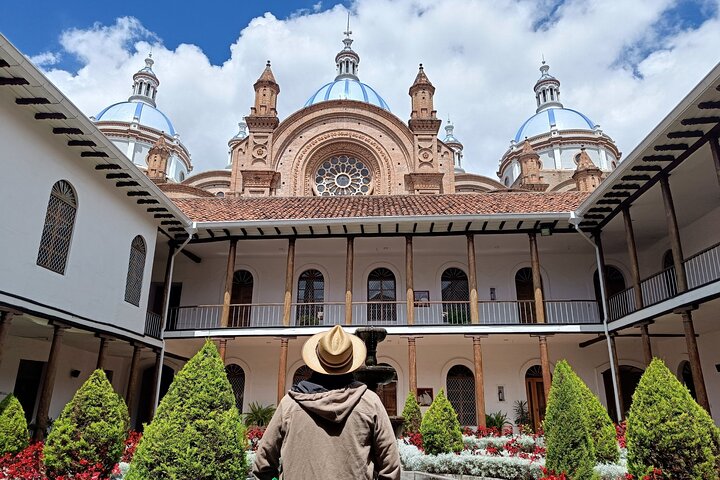
Start at Parque Calderon, the shaded square at the center of the city, and walk into the New Cathedral to see the interior beneath the famous blue domes. From there it is a few minutes to the flower market beside the Carmen de la Asuncion church, then to Mercado 10 de Agosto for a hearty lunch of roast pork, tamales or soup at a market stall. After lunch, a guided Historic Center Walking Tour fills in the stories behind the facades, and a half-day city tour that includes a Panama hat workshop adds the craft side of the city. Finish at sunset at the Turi viewpoint, where the whole city spreads out below, and then have dinner back in the center. If your energy is low, trade the afternoon for a rest and take the night city tour instead.
Day two: Cajas National Park
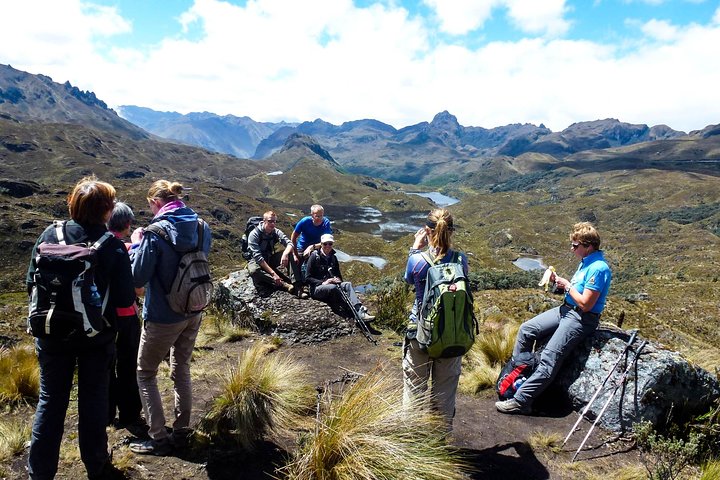
Leave early for the high Andes. Cajas is about 30 kilometers west of town, and the road climbs past 4,000 meters into a landscape of glacial lakes, tussock grass and stunted forest. A half-day tour is plenty if you are adjusting to the altitude, while a full-day tour adds longer walks. Dress in layers, with a waterproof jacket, hat and gloves, because conditions change fast. You will be back in Cuenca by early afternoon or evening, which leaves time for a long lunch, a nap and a stroll along the Tomebamba river on Calle Larga. Keep the evening light: a quiet dinner and early night are the best preparation for day three.
Day three: Ingapirca and the Cañari past
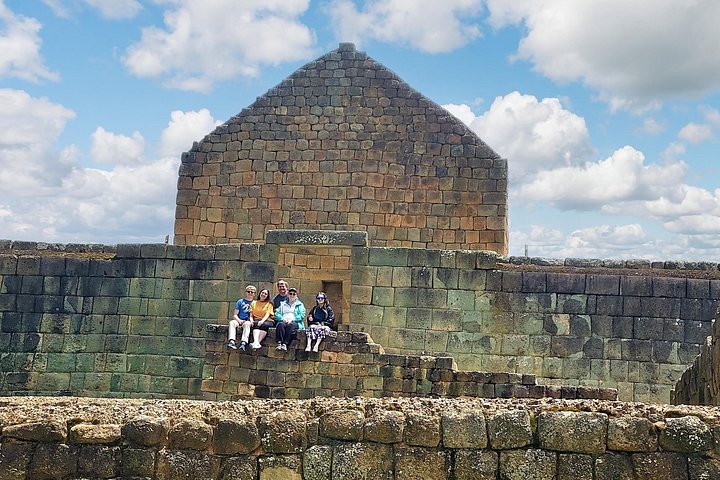
The Inca ruins of Ingapirca lie about two hours north of Cuenca, and a guided day trip is the simplest way to see them. The oval Temple of the Sun, built on older Cañari foundations, is the highlight, and the setting among green highland hills is lovely. Many tours add a village stop and a lunch. Before or after the trip, spend an hour at the Pumapungo museum and archaeological park in Cuenca, which shows the Inca and Cañari city of Tomebamba and helps the ruins make sense. If you prefer craft over archaeology, swap Ingapirca for a day among the artisan towns of Gualaceo, Chordeleg and San Bartolome.
Adjusting the plan
If you have only two days, combine the center with a half-day Cajas tour on day one and do Ingapirca on day two. If you have four, add a cooking class or a food tour, and a morning at the Giron waterfall. Families can replace long drives with the chocolate workshop and a bike tour. In the rainy months, put the museum and the market first and keep the outdoor trips for clearer mornings. Since many tour operators collect guests from central hotels, staying in the historic center makes every day easier.
Practical rhythm
Mornings are for outdoor plans, because cloud tends to build in the afternoon at altitude. Midday is for lunch, which in Cuenca is often the biggest meal of the day and is served as a set menu in many restaurants. Late afternoon is for walking, cafes and the viewpoint. Drink water, go easy on alcohol the first night and bring a warm layer for the evenings, which are cool all year. Taxis are inexpensive and plentiful, but the center is best on foot. Carry small bills for markets and tips, because larger notes are hard to change.
What to book ahead
The popular day tours run on set schedules, and small-group departures can fill in busy months, so reserve Cajas and Ingapirca early. Food tours and cooking classes also have limited places. Everything else, including the cathedral, the markets and the river walk, you can do on the day. Keep one slack hour each day, because Cuenca is a place where lingering over a coffee in the plaza often turns out to be the best part of the trip.