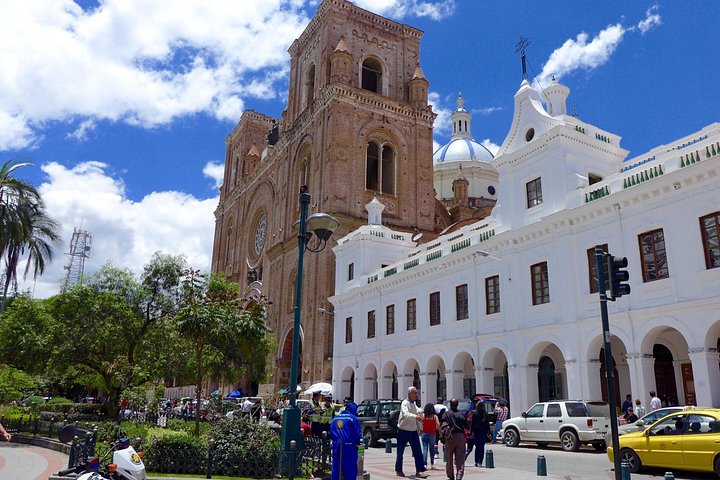
Few places combine craft and travel as naturally as Cuenca. Its workshops produce a hat the world calls Panama, shawls dyed by hand, filigree jewelry and guitars, and the best way to shop is to meet the makers. This guide explains what to look for.
The Panama hat
Despite the name, the hat is Ecuadorian. It is woven from toquilla straw, a palm fiber, and Cuenca is a center for finishing and selling. UNESCO recognizes the traditional weaving of the toquilla straw hat as Intangible Cultural Heritage. A workshop visit shows the stages: preparing the straw, weaving, blocking with heat and molds, trimming and adding a band. Quality depends on the fineness of the weave, which can take weeks or months for the best examples. A good hat feels light, even and supple, and a seller who lets you handle it unhurried is a good sign. Be wary of very cheap hats sold as fine ones, and ask about the grade.
How to choose a hat
Decide on a style first, then fit. Brim width, crown shape and color affect both look and function. Try several sizes, because a hat that is slightly loose is more comfortable than one that pinches. Look for even weave, tidy finishing and a strong band. Ask whether the hat can be rolled for travel, and how to clean it. Set a budget before you walk in, since prices vary widely, and ask about shipping if you do not want to carry the hat.
Ikat shawls
In Gualaceo and surrounding villages, weavers make ikat shawls known as macanas, in which threads are tied and dyed before weaving to create the soft, blurred patterns that define the style. Quality shows in tight weave, clean fringe and rich color. The best pieces take days to make. Wear one on a cool evening, and you will understand why they are loved.
Filigree jewelry
Chordeleg is known for silver and gold filigree, with fine wire shaped into delicate earrings, pendants and rings. Look for crisp detail and clean joins, and ask about the metal. Shops vary, and a local guide can point you to trustworthy makers. Filigree is easy to pack and makes a fine gift.
Guitars and instruments
The town of San Bartolome has a tradition of guitar making. Visiting a workshop gives you a look at wood, tools and the long process of building an instrument. Even if you do not buy, the visit is memorable.
Ceramics, textiles and small crafts
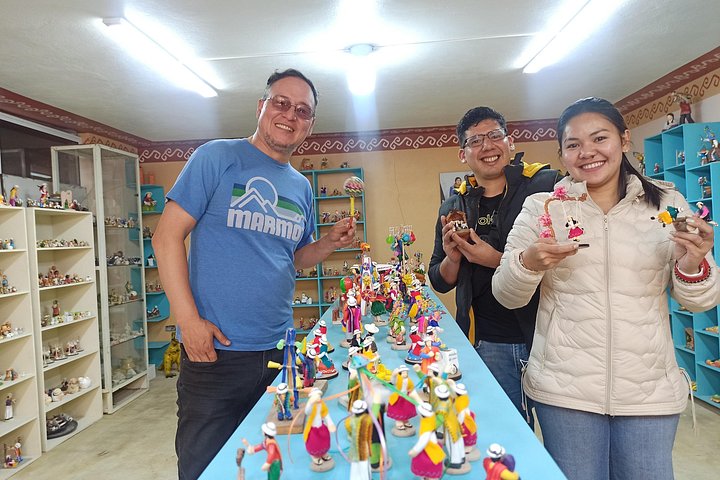
Look for ceramics with local patterns, woven bags, wooden toys and carved items in markets and shops. Prices are usually fair, and bargaining is acceptable in some markets but not in fixed-price shops. When in doubt, ask your guide.
Chocolate and food gifts
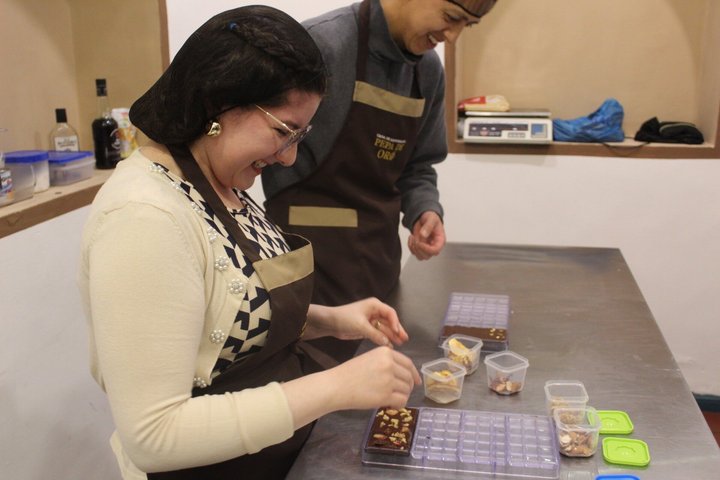
Ecuadorian chocolate, coffee and preserved fruit pack well and please almost everyone at home. A chocolate workshop is a pleasant way to learn what to buy.
Visiting the makers
The easiest way to see the crafts is on a tour. A half-day city tour with a hat workshop covers the Panama hat, and a day trip to Gualaceo, Chordeleg and San Bartolome covers shawls, jewelry and guitars. A private tour allows more time with each artisan and the chance to commission something special. Bring small bills and a bag for purchases.
Buying well
Ask who made the piece, how long it took and what it is made from. Compare two or three shops before you buy. Avoid pressure, and trust your own judgment. Take photos of makers' names and addresses, because you may want to order again. Check customs rules at home for natural fibers, wood and plant materials, and keep receipts.
Caring for your purchase
Store hats flat or hanging, keep shawls dry and clean silver gently with a soft cloth. A well-made object improves with use, and a Cuenca craft piece on your shelf or head becomes a lasting reminder of the trip.
A short shopping plan
Spend your first morning at a hat workshop to learn the vocabulary, then spend a day among the craft towns with cash in small bills. Keep one afternoon for the city shops and markets, when you can compare what you have seen and decide. Pack the purchases in your carry-on if they are fragile, and leave a little space in your luggage, because most travelers end up buying more than they planned.