Cuenca has a mild highland climate with little change in temperature through the year, and the more useful question is rain rather than heat. Days are usually pleasant, nights are cool and the weather can shift within an hour. Here is how to think about the seasons, the festivals and the altitude.
Dry and wet seasons
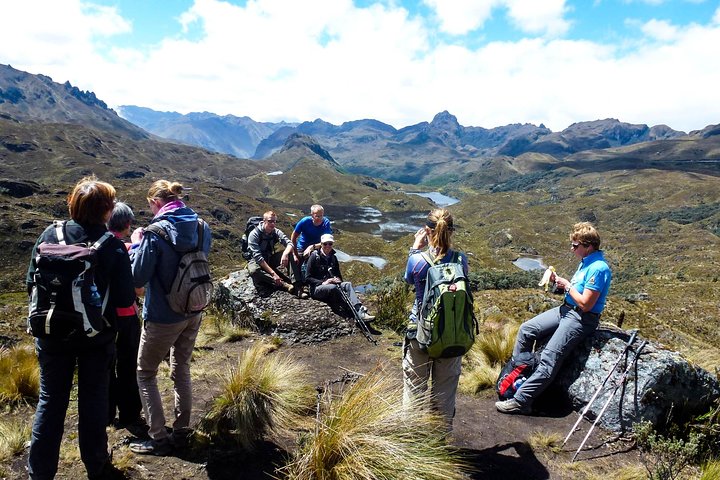
The drier months, roughly June to September, offer the most sunshine, firmer trails and clearer views at Cajas and the viewpoints. This is also the most popular period for visitors, so hotels and tours book earlier. The wetter months, which stretch from about October into May with variations, bring more frequent showers, often in the afternoon, and mist across the high country. Rain does not ruin a trip, and the city's museums, markets and cafes are comfortable places to wait out a shower. Mornings are often clear even in the wet season, so schedule outdoor plans early and keep afternoons flexible.
Temperature
Daytime highs in the center are usually mild, and evenings fall into the cool range. The sun is strong at altitude, so sunscreen and a hat matter even when the air feels cool. At Cajas, expect much colder conditions, with wind and rain possible at any time of year. Bring a warm hat, gloves and a waterproof layer for any excursion into the high country. A light jacket is useful in the city in the evenings all year.
Altitude
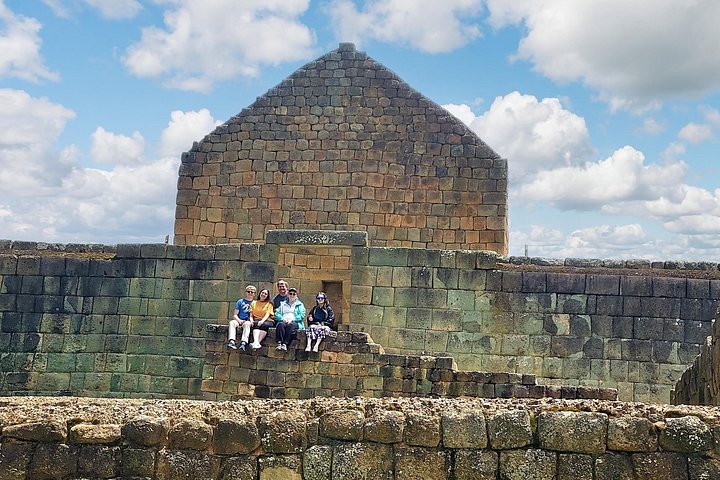
Cuenca sits at roughly 2,500 meters, which is high enough to notice if you arrive from sea level. Many people feel breathless on stairs, sleep lightly on the first night or have a mild headache. Drink water, eat lightly, go easy on alcohol and plan a gentle first day. If you are coming from Quito, which is higher, you will likely find Cuenca easier. Cajas and the Ingapirca ruins are higher still, so save them for after you have adjusted. Anyone with heart, lung or other health concerns should consult a doctor before traveling.
Festivals and local calendar
Cuenca's annual celebrations bring color and crowds. The anniversary of the city's foundation in spring and the independence celebrations in early November fill the streets with parades, music and events, and hotels book up quickly. The Corpus Christi festivities in late spring or early summer are known for sweets, fireworks and traditional games in the squares. Holy Week is marked by processions and special foods, and Christmas Eve brings the Pase del Nino Viajero, a large and beloved procession. If you want to experience a festival, plan ahead for rooms and tours. If you prefer quiet streets, choose a non-holiday week.
Crowds and prices
The busiest periods are the dry months, school holidays and festival weeks. Outside those times, you will find more space at attractions and easier bookings. Day tours operate year-round, though some may change schedules when the weather turns.
Matching the season to your plans
For hiking and photography in Cajas, the dry months are best, but even then plan for cold and mist. For markets, food and museums, any time is fine. For birdwatching, the early morning hours matter more than the month. For the Inca ruins and the craft towns, choose a clear morning. For a cultural trip, aim for a festival week, and book rooms months ahead.
Packing tips
Bring layers, a rain jacket, a warm hat, sunscreen, sunglasses and comfortable shoes with grip for cobblestones. Carry a refillable water bottle and small bills. A small daypack with a fleece will cover most situations. If you buy a Panama hat, a lightweight foldable bag keeps it safe.
Bottom line
There is no bad time to visit Cuenca, only different moods. The dry months bring clear skies, the wet months bring green hills and fewer visitors, and the festival weeks bring the city's most colorful side. Pick the season that suits your plans, pack for changeable weather and give yourself a day or two to adjust to the altitude.
Getting there and around
Cuenca has its own airport with connections to Quito and Guayaquil, and long-distance buses cross the mountains from Guayaquil in a few hours through Cajas. Weather can delay mountain roads in heavy rain, so leave a buffer on travel days, particularly if you have a flight to catch. Within the city, taxis and a tram line along the main axis make short trips easy, and the compact center rewards walking in almost any season.