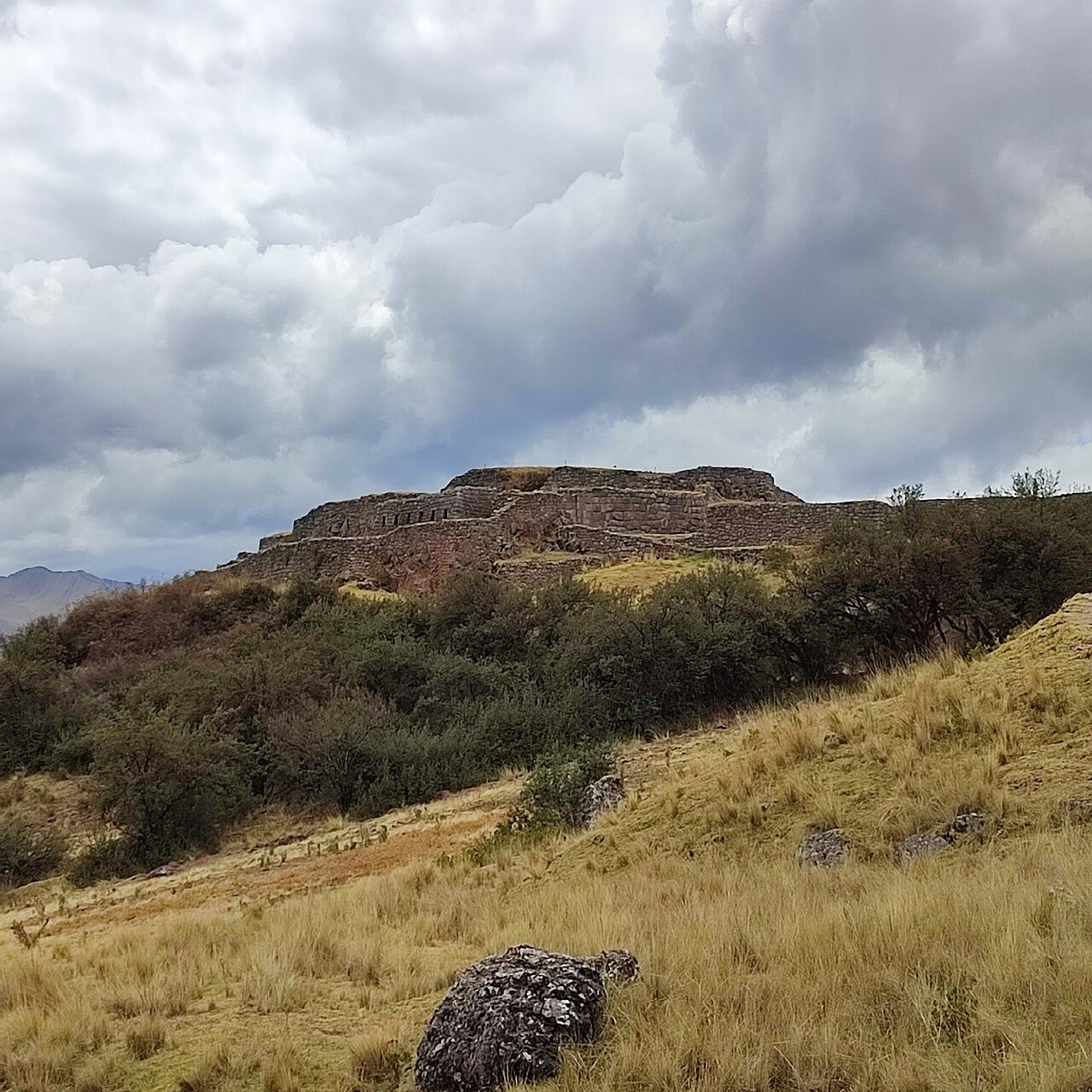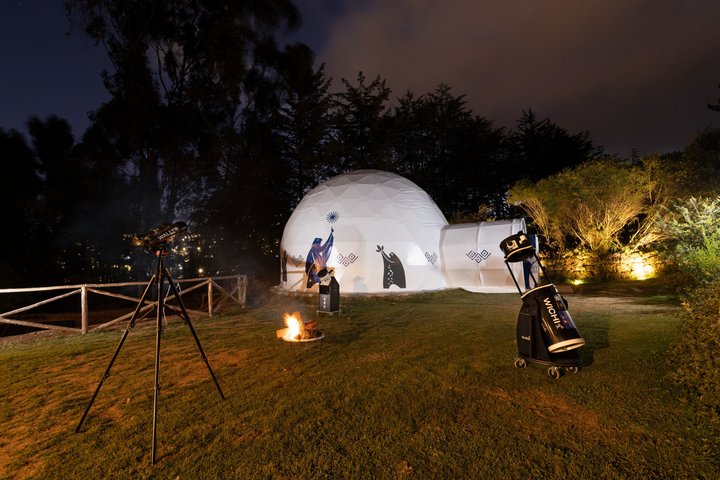
The Incas were skilled sky watchers, and Cusco's planetarium builds its evening around that heritage. It stands on the hillside near the Sacsayhuaman archaeological park, just outside the city, and combines a presentation with stargazing from the courtyard. The guide explains the Southern Hemisphere sky, the Southern Cross, known to the Incas as the Chakana, and the dark constellations of the Milky Way, shapes formed by dust clouds rather than stars, such as the llama and the serpent. Telescopes are used when the weather allows, and reviewers note that clouds and city lights can limit what you see. The ticket linked here is admission to the planetarium, which has a rating of 4.6 from more than two hundred reviews, and the attraction as a whole is rated 5.0 from nearly three hundred. Related tours that include transport and sessions with English-language guides are also sold, so check whether your ticket covers transport and the language of the talk.
Why it is worth a night
Cusco is not a late-night city for visitors beyond restaurants and bars, and the altitude makes a long evening of drinking unwise. A planetarium session suits the quiet hours, it gets you out of the center and it ties the ruins you saw by day to the sky that the Incas used to organize their calendar and ceremonies.
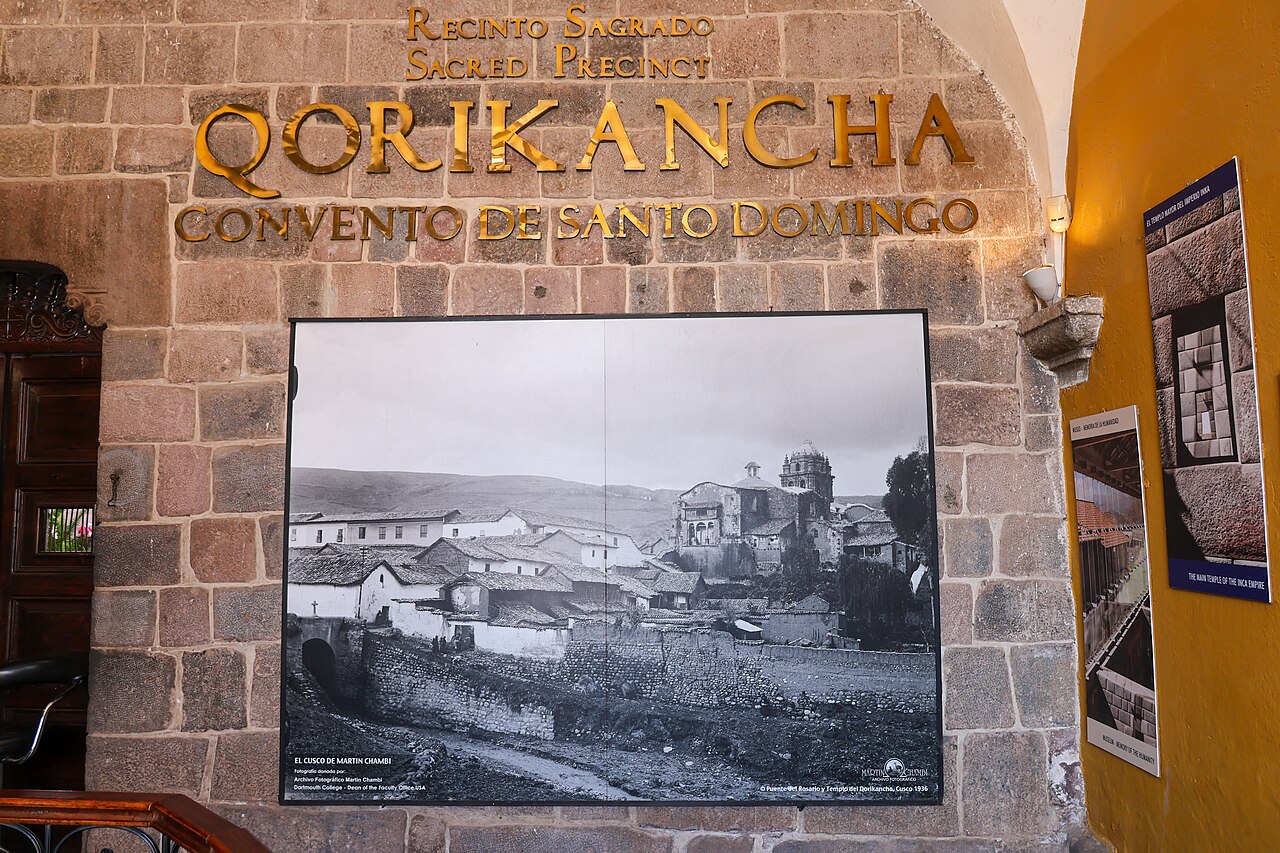
The Coricancha, the Temple of the Sun, was linked to astronomical observations, and the ceque lines radiating from Cusco mapped sacred sites onto the landscape. Hearing those ideas as you look up from a hill outside the city is more memorable than reading them on a plaque.
Plan the details carefully. The planetarium sits on the outskirts, so you will need a taxi or an organized pickup, and you should check whether your ticket includes transport and which language the guide uses. Dress warmly: nights at around 3,500 meters are cold even in the dry season, and wind makes it feel colder. Stargazing depends on cloud, and the rainy season from November to March brings many overcast evenings, so the best months for clear skies are May to September. Check the session schedule for your date, because times can change.
Who it suits
Curious travelers, families with children old enough to stay up, couples and anyone looking for a quiet evening activity. Some related tours set a minimum age, so check before taking young children. Combine it with dinner in the old city, or visit on the same day as Sacsayhuaman and the hillside sites.
What to expect
The experience
A planetarium visit with a guided presentation on Inca astronomy and the Southern Hemisphere sky, with outdoor stargazing and telescopes when the weather allows.
Best time
A clear dry-season evening from May to September; the rainy season often brings cloud.
How long
About two hours, depending on the session.
Tips
Dress warmly, confirm whether transport and an English-language guide are included, and arrange a taxi back to the center in advance.
Quick picks
- Best for
- Curious travelers who want an evening activity that links the Inca ruins to the sky.
- Families
- Good for school-age children and teenagers; check minimum ages on related tours.
- Couples
- A quiet, atmospheric evening away from the main square.
- Pair with
- Sacsayhuaman by day and dinner in San Blas afterward.
- Time needed
- Two to three hours including the trip out of town.
Good questions
Where is the planetarium?+
On the hillside near the Sacsayhuaman archaeological park, just outside the center of Cusco.
Will I see stars on any night?+
Not guaranteed. Cloud and city lights can limit viewing, and the rainy season from November to March is the least reliable.
Does the ticket include transport?+
This is an admission product, so check the details. Related tours add pickup from the city center.
Is the talk in English?+
Some sessions are offered in English, but check the language and schedule for your date when booking.
What should I wear?+
Warm layers, a hat and gloves: it is cold at night at this altitude.