The Grand Mosque of Dakar is one of the most recognisable buildings in the capital, and it is a useful way to understand how deeply Islam shapes daily life in Senegal. The Senegalese tourism agency describes it as an emblematic place in the city. It opened in 1964 and was a gift from King Hassan II of Morocco to Senegal, and at that time it was the largest mosque in the country. Its size has since been surpassed by the Massalikul Djinane mosque, which covers about 10,000 square metres, but the Grand Mosque remains the one most visitors picture first. The building is richly decorated, with ornate detail that reflects its Moroccan inspiration, and its minaret, given as about 67 metres, is a handy landmark if you are trying to orient yourself while walking through the busy streets around the centre. An Islamic teaching and research institute was founded on the site in 1974, so the mosque is part of an active centre of learning as well as a place of prayer.
Most visitors come to admire the exterior and the proportions of the building from the street, and to take photographs in the soft light of the morning or late afternoon. The mosque is a place of worship first, so access for visitors depends on the time of day, the prayer schedule and the rules of the day. The tourism agency page does not state visiting hours, fees or rules for non-Muslims, so ask at the entrance, ask your hotel or ask a local guide before you plan on going inside.
If you are admitted, dress modestly with shoulders and knees covered, women should carry a scarf for the head, and shoes are removed at the entrance. Keep your voice low, do not photograph worshippers, and avoid visiting around the main Friday midday prayer, when the area is crowded and the building is in full use.
The mosque stands close to the Médina and the busy commercial streets near Sandaga Market, so it fits naturally into a walking morning that also takes in the markets and the Plateau. A hotel such as Novotel Dakar is a short taxi ride away, and the streets around the mosque come alive with traders, so keep your phone and wallet secure and agree any taxi fare in advance. It also works well as the first stop of a city tour, because a guide can explain the difference between the Grand Mosque and the Mosque of the Divinity on the Ouakam coast, which is famous for its seaside setting, and place both in the story of Senegal's Sufi brotherhoods.
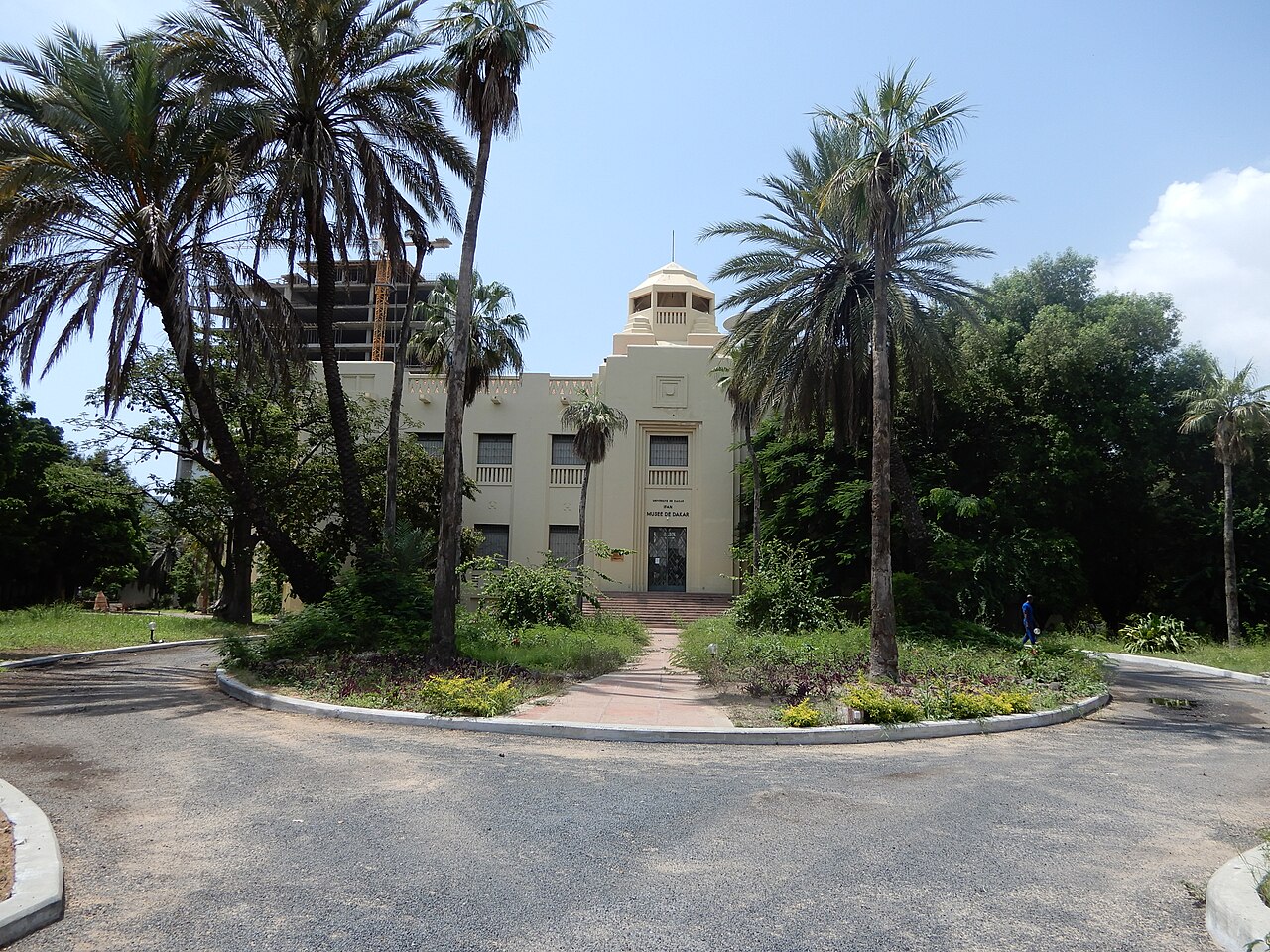
Allow around thirty minutes to an hour for a visit, longer if you are invited inside or if a guide is explaining the architecture. Combine it with the IFAN museum, Place de l'Indépendance and the lanes of the Plateau for a full day on foot, and finish with a meal in one of the central restaurants.
What to expect
The experience
A visit to the exterior and, where permitted, the grounds of a large mosque, best combined with a walk through the Plateau and Médina.
Best time
Morning or late afternoon for softer light and cooler streets, and away from Friday midday prayers.
How long
About 45 minutes, longer if you are admitted inside or join a guide.
Tips
Dress modestly, carry a scarf, ask about access before going in and do not photograph worshippers.
Quick picks
- Best for
- Architecture fans and anyone who wants to understand the role of Islam in Dakar life.
- Families
- A quick, respectful stop works for older children, but keep voices low and plan for crowds on Fridays.
- Couples
- Pair it with a stroll through the Plateau and a coffee afterwards.
- Pair with
- The IFAN museum, Place de l'Indépendance and Sandaga Market are all part of the same central area.
- Time needed
- Under an hour.
Good questions
When was the Grand Mosque of Dakar built?+
It opened in 1964 and was a gift from King Hassan II of Morocco to Senegal. An Islamic institute was founded on the site in 1974.
How tall is the minaret?+
The Senegalese tourism agency gives it as about 67 metres. It is a useful landmark when walking in the centre.
Can visitors go inside?+
The tourism agency page does not state rules. Ask at the entrance or through your hotel, and follow the guidance you are given.
What should I wear?+
Cover shoulders and knees, bring a scarf for the head if you are a woman and expect to remove your shoes.
Is it the largest mosque in Senegal?+
Not any more. It was the largest when it opened, but the Massalikul Djinane mosque, which covers about 10,000 square metres, is now larger.