Dakar has two main seasons, a drier and cooler season and a hotter and wetter one, and the choice shapes how comfortable your sightseeing will be. The city sits on the Atlantic at the westernmost tip of the African mainland, so the ocean softens the extremes you would find inland, and there is almost always a breeze on the corniche. Here is how the seasons work and how to pick the right moment for your trip.
The dry season: roughly November to May
This is the most comfortable period for most visitors. Skies are mostly clear, humidity is lower and days are warm without the heavy mugginess of the rains. Nights can feel cool, especially by the sea, so a light layer is useful. The dry season is the best time for walking on Gorée Island, climbing the Renaissance Monument, visiting Bandia Reserve and swimming or sunbathing at Ngor and the Almadies. It is also the time when roads to places like the Sine-Saloum Delta and Lompoul are at their most reliable. Demand for hotels is highest, so book early for the Plateau, the corniche and the Almadies.
The cooler core: roughly December to February
These months are the freshest, with the most pleasant temperatures for long days of sightseeing. In some years a dry, dusty wind blowing from the Sahara, known as the harmattan, can bring a haze that softens views and affects photography. If you are sensitive to dust, bring sunglasses and consider a scarf for dusty days. Evenings on the corniche are lovely, and outdoor dining is at its best.
The hot months: roughly March to May
Temperatures climb through the late dry season, though the Atlantic breeze keeps Dakar more bearable than inland towns. Start sightseeing early, rest at midday and return to the sights in the late afternoon. Beaches and the Madeleine Islands are rewarding in this period, but the Lompoul Desert can be very hot by day, so choose a camp with shade and plan your activities for the evening.
The rainy season: roughly June to October
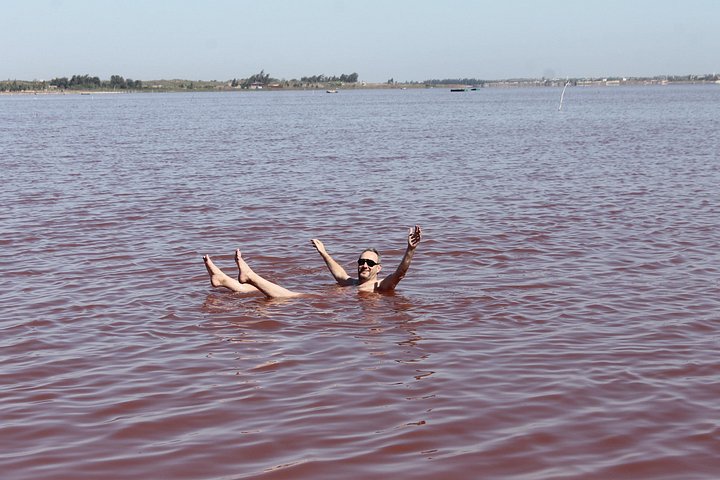
The rains bring heat, humidity and sudden downpours, with the wettest weather typically towards the end of the season. Streets can flood quickly, which makes traffic worse, and some excursions are less pleasant or less reliable. On the other hand, the landscape turns green, crowds thin and hotel rates can be lower. Lac Rose is at its most vivid under strong sun, so choose a clear day, and note that rain can dilute the colour for a while. Mosquitoes are more active, so use repellent and check health advice before you travel. If you do visit in the rains, plan indoor sights such as the museums for the wettest hours and keep a flexible schedule.
Events and calendars
Religious holidays and the fasting month follow the Islamic calendar and move earlier each year, so check dates for your trip. During the fasting month, daytime opening hours can change and some restaurants may close or serve discreetly, though the city is atmospheric in the evening. Major holidays can mean crowded transport and closed offices. Dakar also hosts cultural events, including the biennial of contemporary African art, whose timing has varied, so check the current schedule if you plan around it.
Choosing your moment
For first-time visitors, the cooler months from roughly November to February offer the best mix of weather, light and activity choices. For beach time, aim for the dry season. For lower prices and fewer visitors, consider the shoulder months at either end of the rains, accepting more humidity. Whenever you go, wear a hat, drink plenty of water and plan the busiest sightseeing in the morning. Check health and entry requirements well before you travel, as they can change. Our first-timer's guide and three-day itinerary show how to fit the sights into your dates, and the where to stay guide helps you choose a base for the season.
What to pack
Light, breathable cotton or linen works year round, with a layer for breezy evenings by the sea and a rain jacket if you travel in the wet months. Bring a hat, sunglasses, high-factor sunscreen and a refillable water bottle, plus comfortable flat shoes for the sandy lanes of Gorée and the steps at the monument. Modest clothing that covers shoulders and knees helps at memorials and mosques in any season.