Three days is enough to see the essentials of Dakar without rushing, as long as you plan around the traffic. The city is spread over a peninsula, distances look short on a map and take a long time in a taxi, and the heat builds from late morning. The plan below groups sights by area so that you spend your time looking rather than sitting in cars. Shift the days around to suit your flight times and the weather, and keep a little slack for lunch and rest.
Day one: the Plateau and Gorée
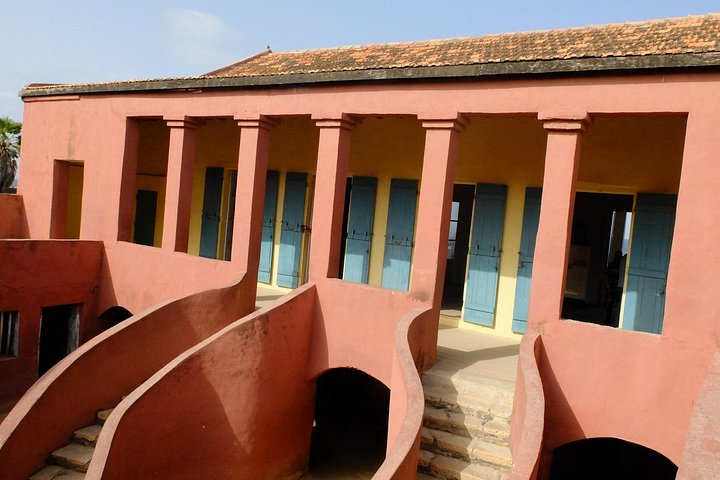
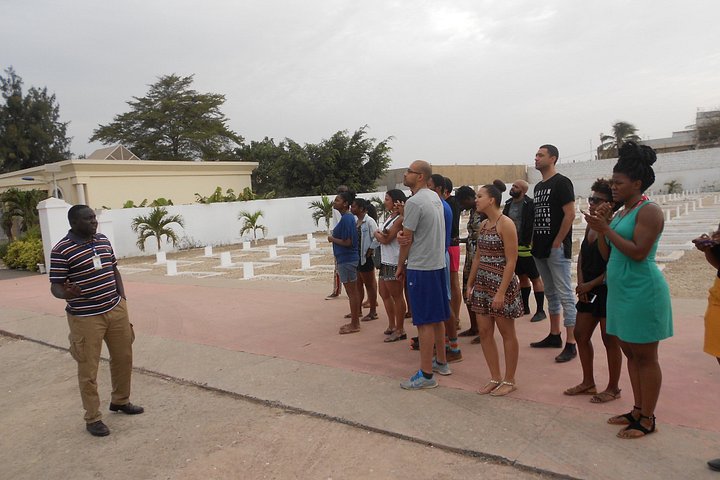
Start early in the Plateau, the colonial-era heart of the city, and take the ferry to Gorée Island for a guided heritage visit. The island is car-free, the lanes are sandy and the House of Slaves and its Door of No Return are the emotional centre of the day. Allow a few hours on the island, eat lunch at a waterfront restaurant and leave a comfortable margin before the last ferry back. Back on the mainland, walk around Place de l'Indépendance and the nearby streets, or visit the IFAN Museum of African Arts if you still have energy. A hotel in the Plateau, such as Pullman Dakar Teranga, Novotel Dakar or Hôtel Fleur de Lys Plateau, makes this day easy.
Day two: museums, markets and the corniche
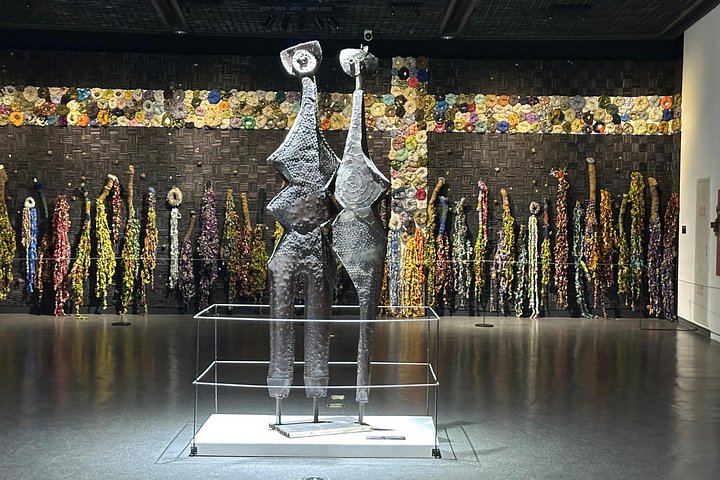
Spend the morning on the western shore. The Museum of Black Civilisations is the best place to see African history told from within, and it pairs well with a short stop at Place du Souvenir Africain and the Soumbédioune craft village, where you can browse crafts and watch fishing boats. If you like contemporary art, add the Village des Arts, and if you like markets, ask a guide to take you through the busy streets near Sandaga. After a long lunch and a rest, head to the Mamelles hills in the late afternoon. The African Renaissance Monument gives you the widest view of the peninsula, and the Mamelles Lighthouse next to it is a relaxed place for a sunset drink. Taxis are scarcer after dark, so arrange your return ride before you settle in.
Day three: choose your escape
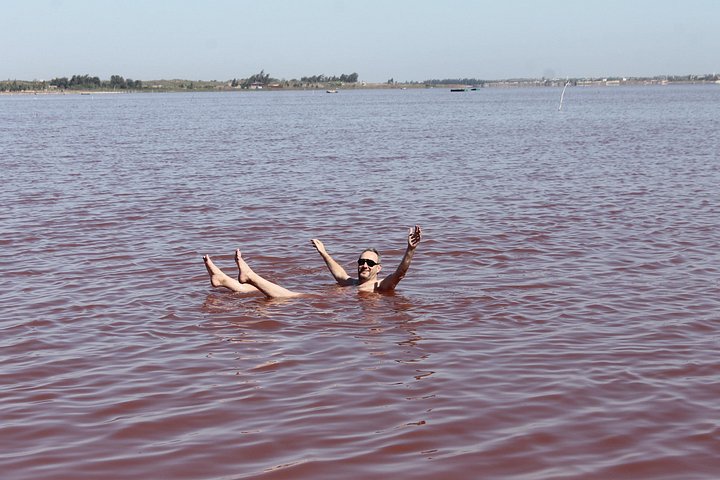
The most popular option is a half-day or full-day trip to Lac Rose and Bandia Reserve. Lac Rose is about 40 kilometres from the city and is best around late morning, when the sun makes the water most vivid, while Bandia is on the road towards Mbour and is at its best in the cooler early morning or late afternoon. A driver or organised tour is much easier than public transport and lets you combine the two. If you prefer a quieter day, take a boat to Ngor Island, swim, and have a seafood lunch, then finish at Pointe des Almadies for sunset. Or take a jollof cooking class in the afternoon and finish the trip with a meal you cooked yourself.
Practical tips
Book Gorée and any class or tour early in your stay so that the rest of your plans can build around them. Wear flat comfortable shoes, a hat and sunscreen, carry bottled water and keep small notes for tips and taxis. Agree taxi fares before you set off, because meters are rare. Dress modestly in memorial and religious places, ask before photographing people and keep phones and wallets secure in markets. Opening hours for several sights, including some museums and the monument, are not widely published, so ask your hotel to check before you go.
If you have less or more time
With two days, combine days one and two and drop the escape. With four days, add the cooking class and a slower evening on the corniche. With five or more, use the extra days for the Madeleine Islands, the Somone Lagoon, the Sine-Saloum Delta or an overnight stay in the Lompoul Desert, all of which take you out of the city and into Senegal's landscapes.
Where to base yourself
The Plateau suits walkers and gives easy access to the Gorée ferry. The Corniche Ouest gives you beach resorts and sea breezes, and the Almadies give you a quieter base on the western tip with the right orientation for day trips. Our where to stay guide compares the hotels in each area, and the best time to visit guide explains the seasons so you can choose when to travel.