Doha’s food scene mirrors its population. Most people who live here come from elsewhere, so a single street can offer Qatari home cooking, Yemeni grills, Persian kebabs, Lebanese mezze, Indian curries and Filipino bakeries. For a visitor that is a gift: you can eat very well, at almost any price, without ever repeating a cuisine. Here is how to find the best of it.
Start with karak
The drink of the city is karak, black tea boiled with milk, sugar and cardamom, served in small cups from roadside cafés and counters all over Doha. It is cheap, sweet and best with a pastry or a paratha in the evening. Arabic coffee, or gahwa, is the traditional welcome: it is light, golden and flavoured with cardamom, served in small handleless cups. Take two or three and then shake the cup gently when you have had enough. Dates, offered with the coffee, are the classic pairing.
Know the Qatari classics
Machboos is the national dish, rice cooked in a spiced stock with lamb, chicken or fish, and flavoured with dried lime and a mix of warm spices. Madrouba is a thick, savoury porridge of rice and meat or chicken, often eaten during Ramadan. Harees, a slow-cooked blend of wheat and meat, is the comfort food of festivals, and balaleet, sweet vermicelli with cardamom and saffron topped with an omelette, is a breakfast that surprises first-timers. For dessert, look for luqaimat, small fried dumplings drizzled with date syrup. Seafood is central to the coast, and grilled hammour, a local fish, is a safe order wherever the menu includes it.
Eat in Souq Waqif
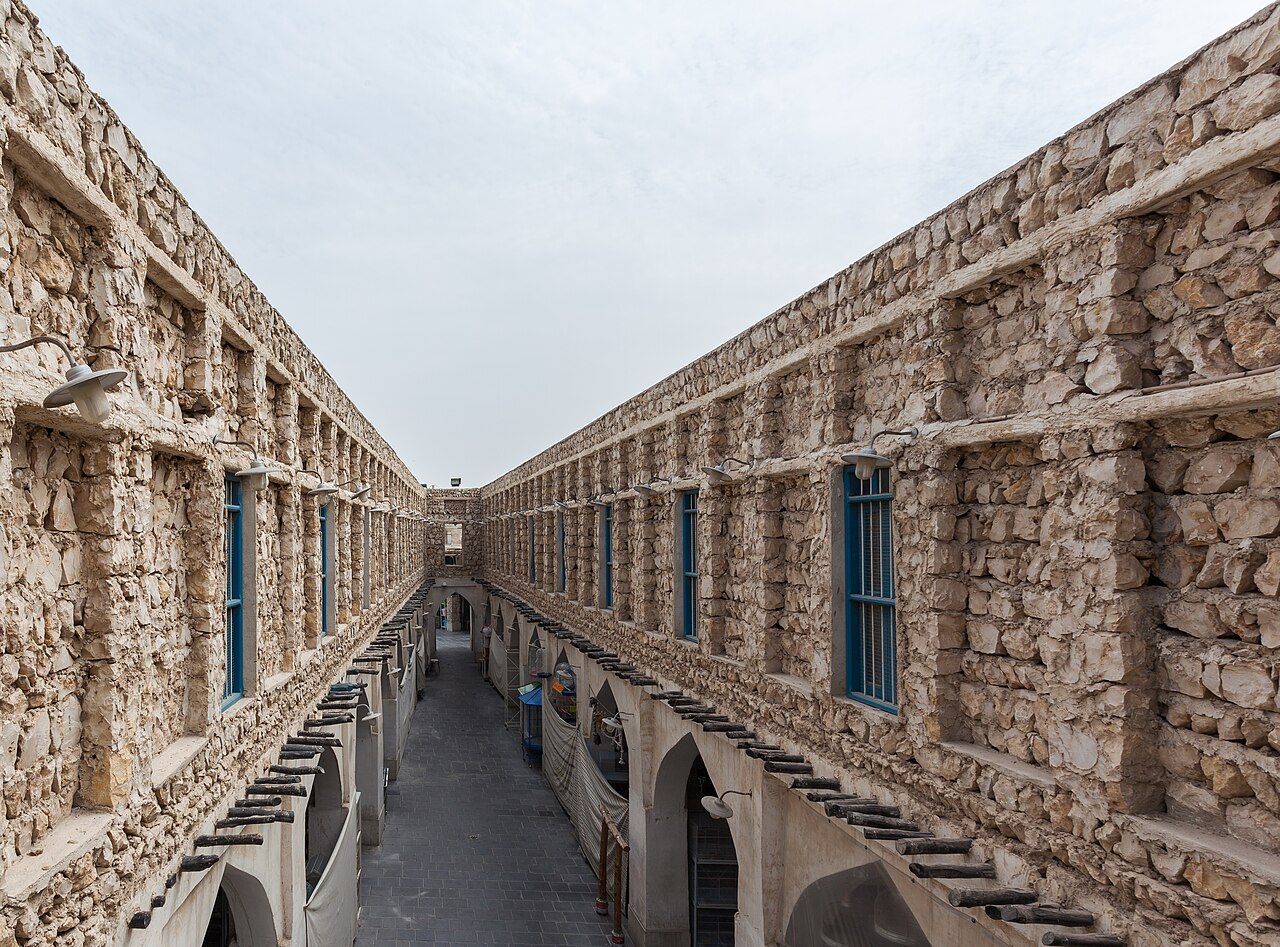
The lanes of the souq hold more restaurants and cafés than any other part of Doha, and the best time to come is after sunset, when the whole quarter fills with families. Menus cover Qatari, Yemeni, Persian, Lebanese and Indian cooking, and many places put tables in the lanes so you can eat while the market goes on around you. Come hungry, walk the whole market once to see what you like, and choose a place that is busy with local families. Nothing beats finishing with karak and a slow walk past the falcon shops. Our Souq Waqif entry has the layout.
Try the waterfronts
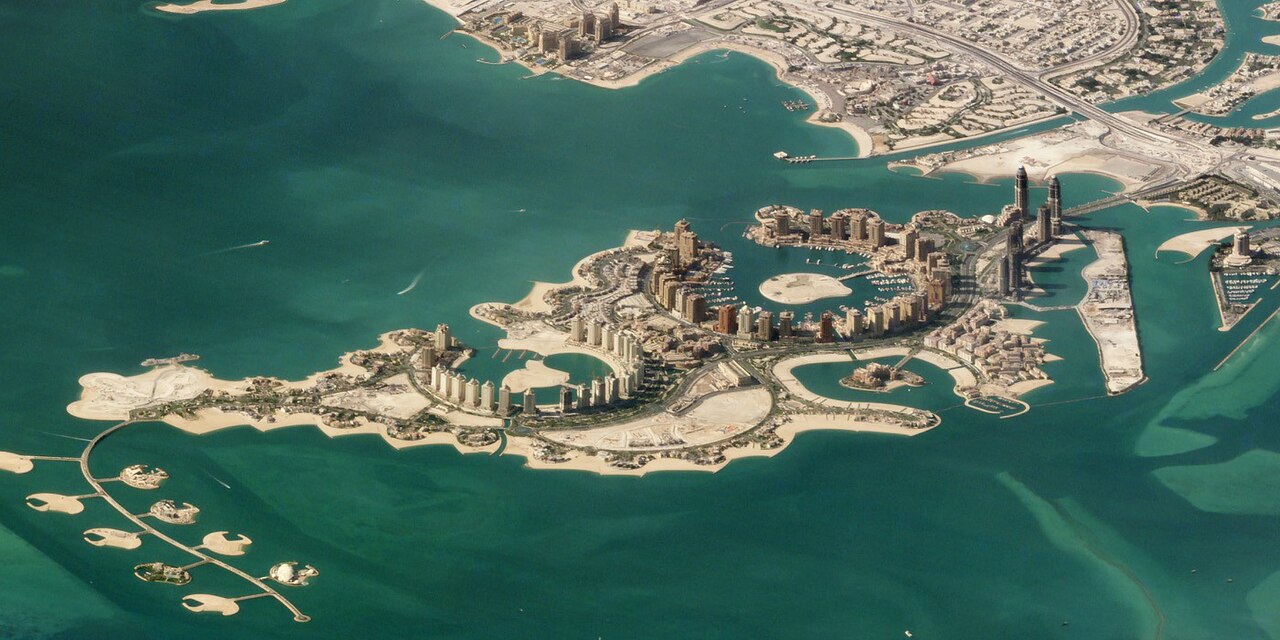
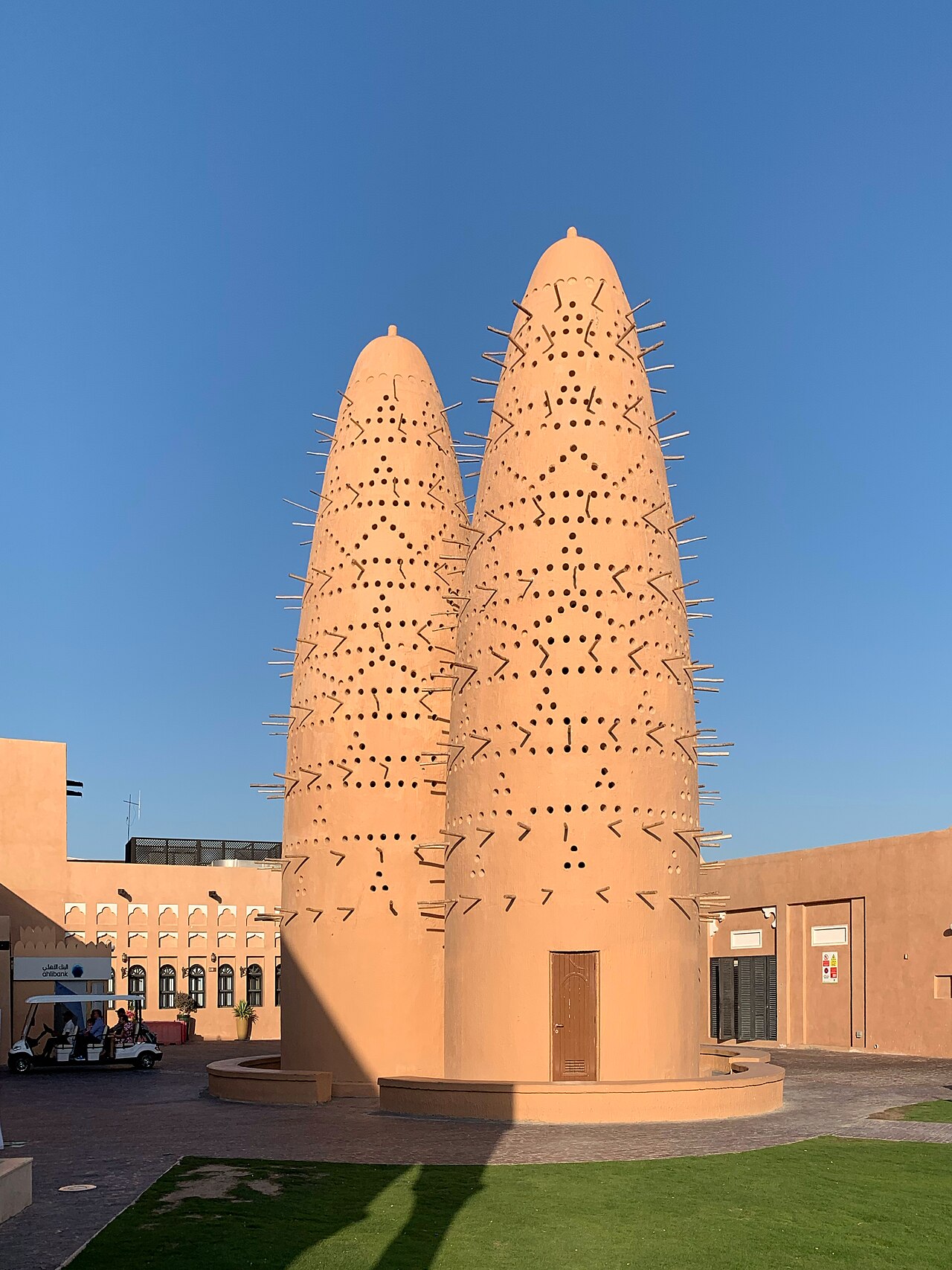
The Pearl Qatar is the polished side of Doha dining, with restaurants and cafés lining the marinas and the canals of Qanat Quartier. It is relaxed and photogenic at dusk, and the range is wide, from casual terraces to long, formal dinners. Katara Cultural Village has seafood, Lebanese, Egyptian and Indian restaurants overlooking the sea, and it is a good place to eat before or after the amphitheatre and the mosques. The Mina District, the revived Old Doha Port, has cafés around the harbour and a working fish market, and it suits a quieter, more local meal.
Use the hotels
Many of the best restaurants in Doha are in hotels, which is also where alcohol is served. The Msheireb and West Bay hotels have a range of restaurants, rooftop bars and lounges, from Japanese and Chinese to Italian and Gulf cooking. If you want a drink, you will need to go to a licensed venue, and prices reflect that. Alcohol is not sold in ordinary shops, so plan accordingly. Hotels also host brunches and afternoon teas, which are popular with residents.
Plan around the day
Lunch is usually between noon and 2pm, but dinner is late: in the cool season, restaurants fill after 8pm and the souq stays busy until well after 10pm. Friday and Saturday are the weekend, and Friday lunch is the traditional family meal, so the busiest tables are then. In the heat of summer, many people eat later still, and the evening is when the city comes alive.
Ramadan
During Ramadan, eating, drinking and smoking in public are not allowed in daylight hours. Most restaurants outside hotels open only at sunset, and hours are reduced in many places. After sundown the city transforms, with iftar feasts and long evenings in the souq. If your trip falls in Ramadan, treat it as a chance to join the evening life and be discreet about food and drink by day. Because the month moves earlier each year, check the dates before you book.
Practical tips
Prices vary enormously, from a very cheap shawarma to a hotel tasting menu, so choose by mood. Cards are accepted almost everywhere and tipping is welcome but not required. Tap water is safe, but most visitors drink bottled. Dress modestly in the souq and in malls. If you have dietary needs, ask: halal food is the default, vegetarian dishes are easy to find in Lebanese and Indian restaurants, and most kitchens are used to questions about ingredients.
A simple food plan
Breakfast on balaleet or a Lebanese manakish, lunch near the Msheireb Museums, karak in the afternoon and dinner in the souq. Add a sunset meal at The Pearl or Katara on another day, and a hotel rooftop on your last night. That covers the range of Doha at its best.