Qatar is a small country, and almost everything outside Doha can be reached in a morning. The land beyond the city is flat, pale and empty, and that emptiness is the point: the dunes, the ruins, the mangroves and the camel country are all a world away from the glass towers. Here are the day trips worth making, and how to choose between them.
The inland sea and the dunes
The classic outing is the full-day safari to Khor Al Adaid, the inland sea in the far south-east, near the Saudi border. Tall dunes roll down to a tidal inlet of the Gulf, and the meeting of sand and sea is unlike anywhere else. A safari picks you up in an air-conditioned 4x4, lets the air out of the tyres and takes you over the dunes, with sandboarding, a camel ride and time at the water. The day takes about eight hours and starts early, so it is a full day. Dune driving is bumpy and steep, which makes it unsuitable if you are pregnant or have back or heart problems; tell the driver if you want it gentler. Bring a hat, sunglasses, sunscreen and a layer for the evening breeze. See our desert safari entry for details.
Al Zubarah
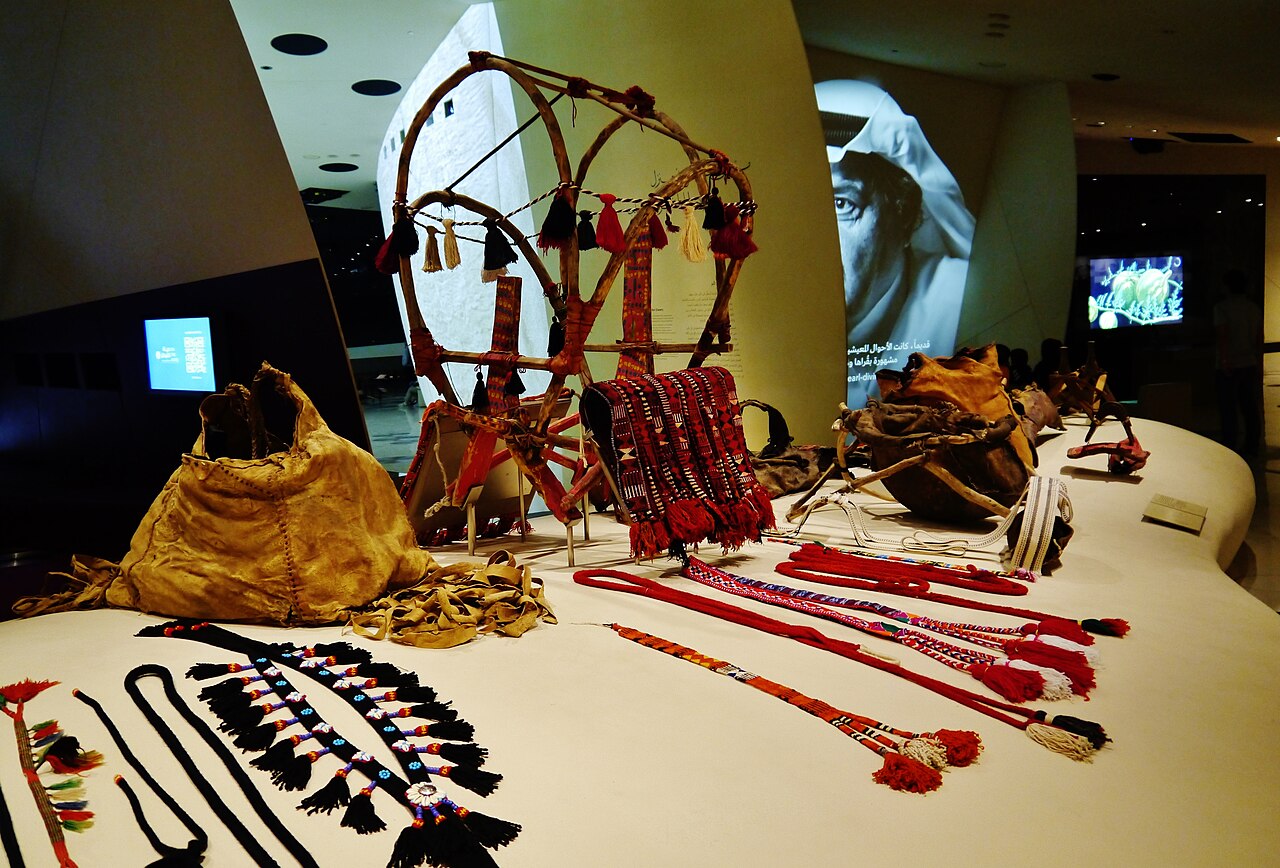
Al Zubarah is Qatar’s first and only UNESCO World Heritage Site, on the north-west coast about a hundred kilometres from Doha. The excavated remains of a walled pearling and trading town, which flourished in the eighteenth and nineteenth centuries, lie in the sand as low walls, streets and houses. Beside it stands Al Zubarah Fort, a square fort with sturdy towers that now holds displays about the site. A private half-day tour with a guide and pickup is the simplest way to go, and it passes through open desert on the way. The site is exposed, so bring water and a hat, and go in the morning in the cooler months. It makes more sense after the National Museum of Qatar, which tells the story of the pearling era. The Al Zubarah tour is a four-hour private trip.
The mangroves of Al Thakhira
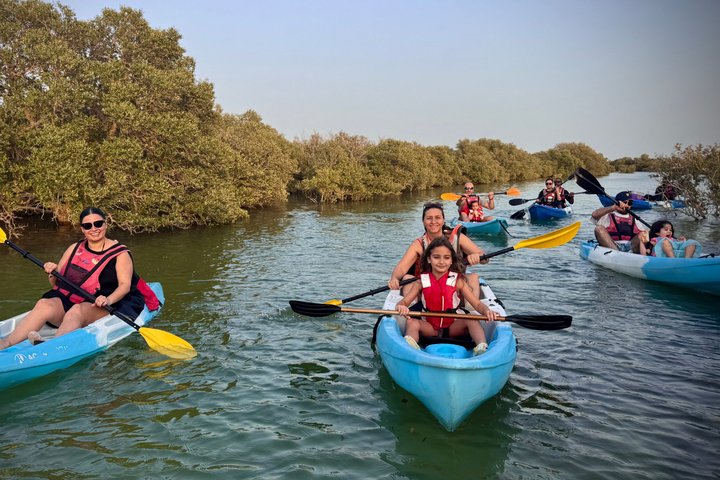
On the north-east coast, about an hour from Doha near Al Khor, shallow channels wind between dense green mangroves around a low scrubby island known as Purple Island. A guided kayak trip of about three hours takes you through the sheltered water, with a briefing first, so you need no paddling experience. The mangroves shelter fish and crabs and feed wading birds, and herons and egrets may be close enough to photograph from the kayak. It is the quietest, greenest outing in Qatar. Go between November and March, wear clothes that can get wet and bring water, sunscreen and insect repellent.
The desert of the west
A small-group morning tour heads west to the camel race track, where Qatar’s racing camels are trained, then to the Mushroom Rock formations, wind-sculpted limestone outcrops that rise from the plain, and on to a monumental Richard Serra sculpture in the open desert. The tour takes about four hours and the groups are small. How much you see at the track depends on the day and the racing calendar, so treat the camels as a bonus. Wear closed shoes you can walk in on rough ground, and go in the cooler months. It is a good choice if you want landscape and sculpture rather than dunes.
Choosing between them
For dunes and the inland sea, take the safari. For history, go to Al Zubarah. For birds and quiet water, paddle the mangroves. For camels, open land and art, take the western tour. If you only have time for one, the safari is the most memorable; if you have already seen the museums and want to understand the country before oil, Al Zubarah is the better pick. Most trips run in the morning or early afternoon, so you can combine one with an evening in the souq. Because Al Zubarah and the mangroves are both in the north of the country, ask an operator whether they can be linked in one day rather than assuming it.
Self-drive or tour
Hiring a car is possible for Al Zubarah and the mangroves, since the main roads are good and signs are in English and Arabic. But the dunes and desert tracks are for licensed operators and 4x4 vehicles only, and driving on the sand without experience is dangerous. Tours also include pickup and drop-off, which makes them far easier on a short stay. Groups on the private tours are small, and you can ask your guide to adjust the pace.
Season and practicalities
All of these trips are at their best from November to March, when the weather is mild and the desert is warm rather than scorching. In summer, the heat is severe, and only evening safaris make sense. Book a few days ahead, especially in the cool season, and check the cancellation terms, since some tours do not allow rescheduling. Carry plenty of water, wear modest, comfortable clothes and keep your passport or a copy with you.
A sample plan
Spend your first two days in the city on the museums, the souq and the Corniche, then use a third day for the safari and a fourth for Al Zubarah or the western desert. That gives you the capital, the sand and the history in a few days.