Dresden sits on a river that leads somewhere interesting in both directions, and its position makes it one of the best bases in Germany for day trips. Trains and boats leave from the city centre, the distances are short, and nearly every outing can be combined with a return to a comfortable hotel in the evening. Here are the trips that earn the time, in the order we would do them.
Saxon Switzerland and the Bastei Bridge
The most dramatic landscape near Dresden is the sandstone region upriver towards the Czech border, where the Elbe cuts through towers, gorges and forested plateaus. The Bastei, a rock outcrop high above the river with a stone bridge linking its pinnacles, is the best-known viewpoint and is reached by S-Bahn along the Elbe to the village of Rathen, then a short ferry and a steep walk. Allow a full day with a few hours on the trails. Spring to autumn is the best season, when the gorge boats run, and a clear winter day still brings fine views, although paths can be icy. If you prefer not to organise it yourself, the small-group day tour handles the transport and adds time in Bohemian Switzerland on the Czech side.
Königstein Fortress
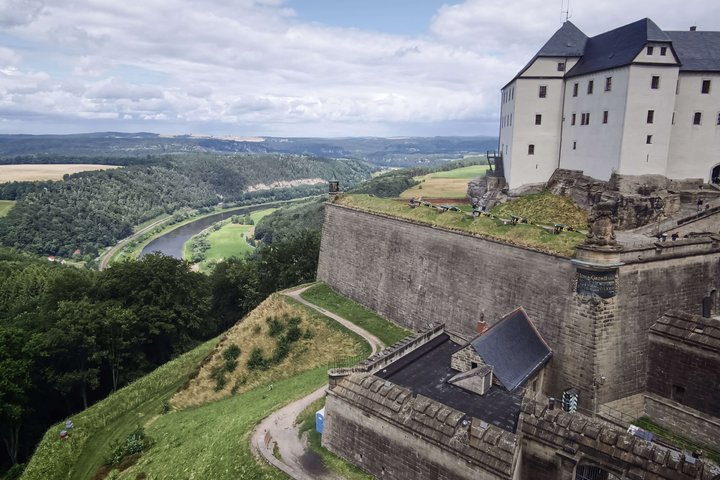
A little further upriver, the fortress at Königstein stands on a flat-topped rock above the Elbe and is one of the largest hill fortresses in Europe. The walls, the deep well and the barracks make for a satisfying half-day, and the views over the river bend are excellent. The combined day tour pairs the fortress with the Bastei, which is a lot of ground but efficient if you only have one free day. If you go on your own, check opening times and wear comfortable shoes, since the climb from the town is steep.
Meissen and its porcelain
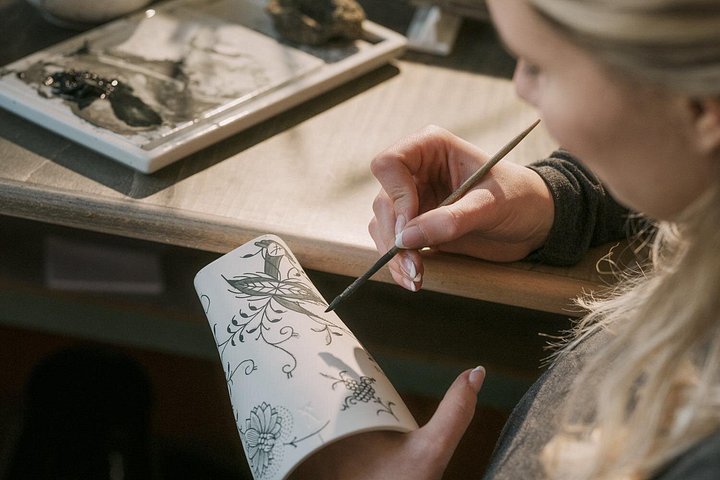
Meissen is where European hard-paste porcelain was first made, a short ride from Dresden by S-Bahn along the Elbe, and the walk from the station into the old town is pleasant. The porcelain manufactory shows how the famous white ware with the crossed swords mark is made and painted, and the museum has pieces from the early eighteenth century to today. Above the town stands the Albrechtsburg castle beside the cathedral, one of the earliest castle-palaces in Germany. Add lunch in the old town and perhaps a glass of Saxon wine from the surrounding vineyards, and you have a full day. Visiting on a weekday morning is calmest.
Moritzburg Castle
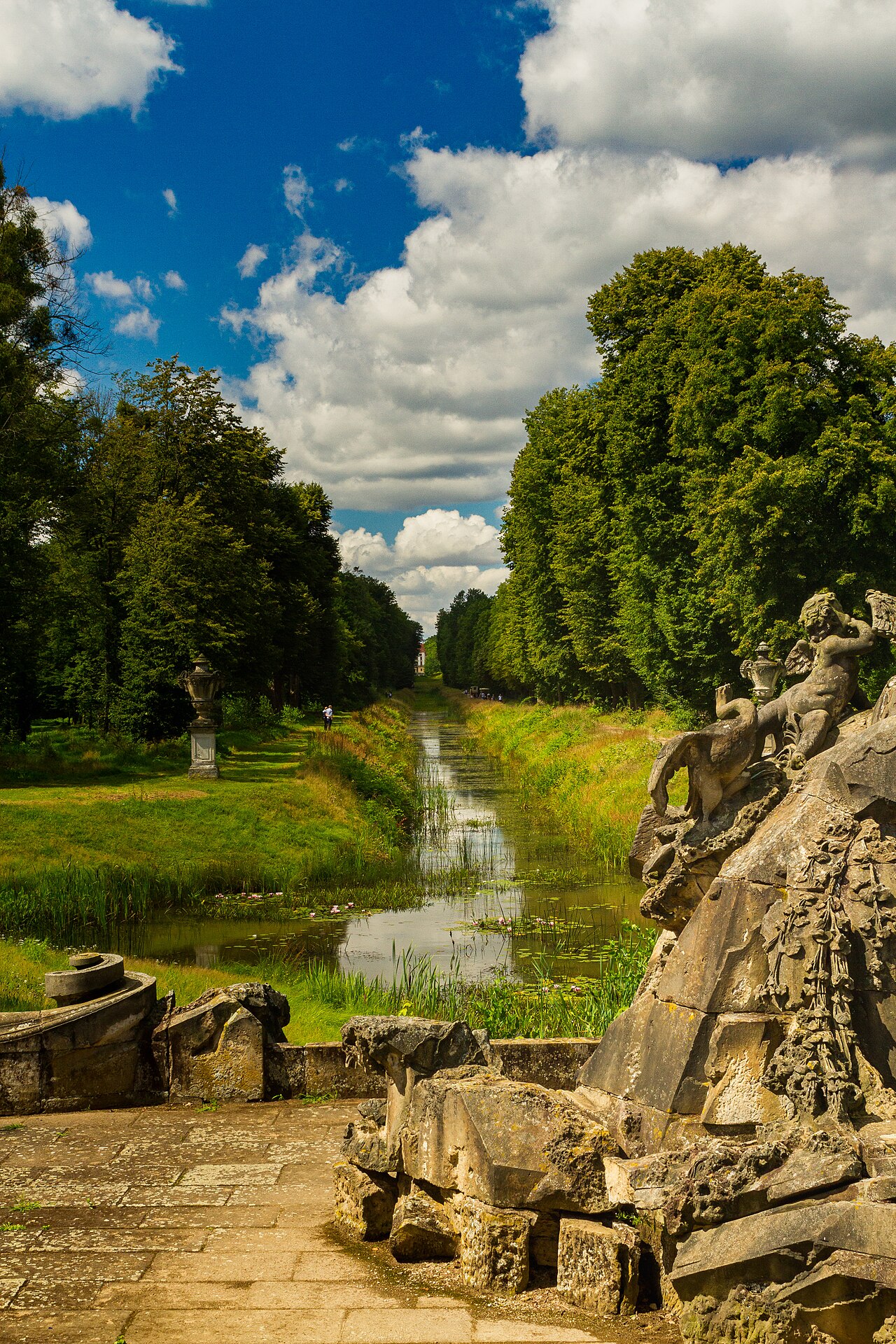
North-west of the city, in a landscape of ponds and woods, Moritzburg is a Baroque hunting lodge built for the Saxon electors, with four round towers reflected in the lake around it. Inside are rich hunting trophies and state rooms, and in winter it hosts an exhibition on the Cinderella story, with scenes from the beloved film that was shot here. Nearby are the Little Pheasant Castle and walking paths around the lake. You can reach Moritzburg by regional bus, or by train to Radebeul and the narrow-gauge steam railway that runs through the Lössnitz valley, which is a fine outing in its own right. Spring and autumn are the loveliest seasons.
Pillnitz Palace and Park
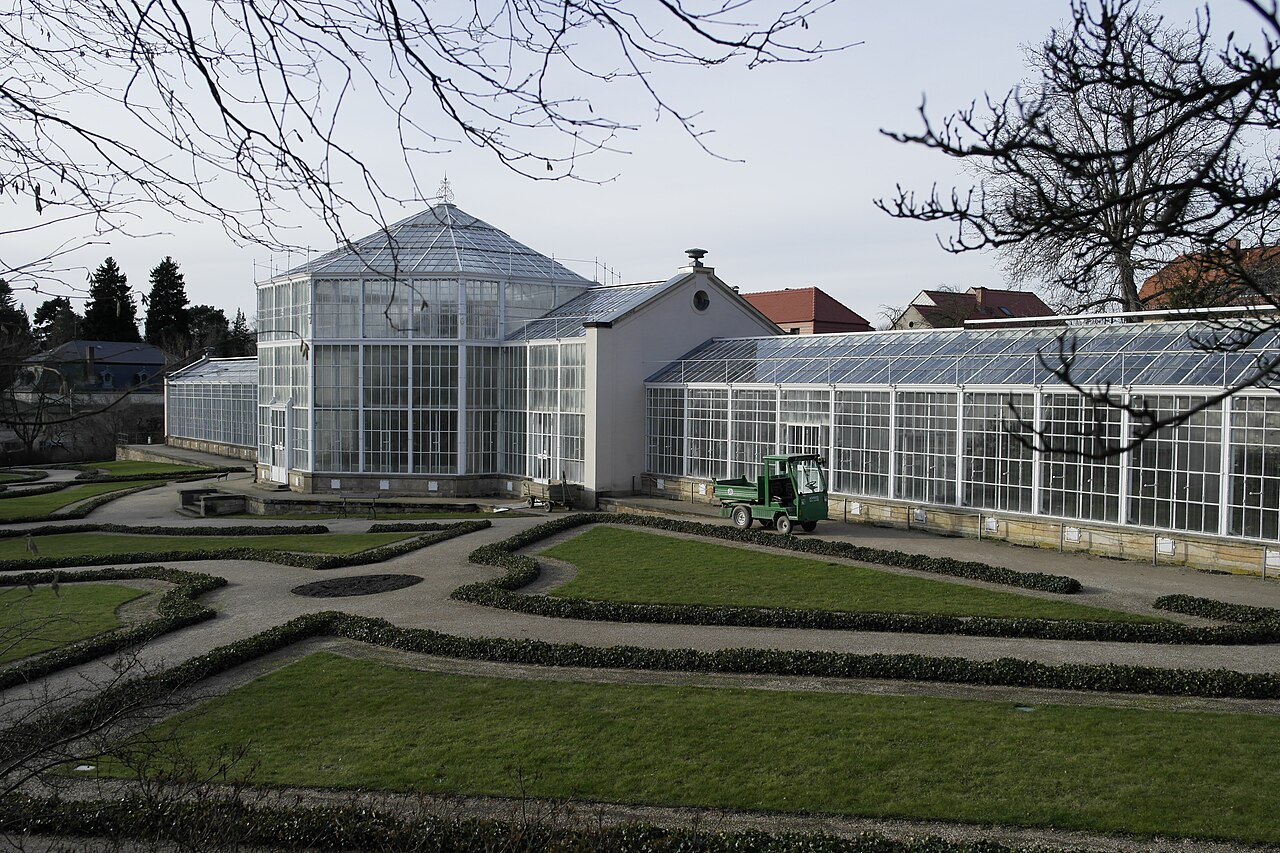
The summer palace of Augustus the Strong stands on the Elbe at the eastern edge of Dresden, in an unusual Chinese-inspired Baroque style, with a large park and a famous old camellia tree in its greenhouse. The best way to arrive is by one of the historic paddle steamers, which sail along the river past the Blue Wonder bridge and the Elbe castles. The palace museums close from November to March, but the park stays open and free, and in Advent the Christmas Garden lights up the grounds. Allow half a day with the boat trip.
Further afield
Leipzig, with its Bach heritage, its university and its lively music scene, is about an hour away by fast train and works well as an overnight addition. Prague lies roughly two and a half hours south by train along the Elbe valley and is feasible as a long day, though most visitors are happier giving it a night. The Czech Republic uses the koruna rather than the euro, so take a card or exchange a small amount before you cross the border.
Choosing and combining
For scenery, pick Saxon Switzerland. For art and craft, pick Meissen. For a fairytale castle and a gentle walk, pick Moritzburg. For the river itself, pick Pillnitz by steamer. Moritzburg and Meissen combine well on one day if you start early and use the car or taxi between them; Pillnitz fits comfortably into a morning plus the evening. Avoid pairing the fortress and the Bastei without an early start.
Practical tips
The S-Bahn and regional trains are the simplest way to travel, and a regional day ticket covers several of these destinations at a modest price, so ask at the station or use the railway app. Many castles and museums close one day a week, often Monday, so check before you set out. Weather in the hills is cooler and changes faster than in the city, so carry a layer, water and decent shoes. Return trains from Saxon Switzerland run frequently but become busy on summer evenings.