Dresden cooks in the Saxon tradition, which means hearty, slightly sweet and generous with dumplings, quark and cake. The city is not a place of grand restaurant dynasties, so the best approach is to learn a handful of local specialities, know which districts to eat in, and let the rhythm of coffee, cake and an evening beer carry you through the day. Prices are in euros, and a service charge is not added to the bill, so rounding up or leaving around ten percent is the custom.
The sweet side of Saxony
Start with Eierschecke, the city’s signature cake: a base of pastry, a thick layer of quark, and a golden egg custard on top. Every café has its own version, and it is the best single thing to order with a coffee in the afternoon. Quarkkeulchen are warm, pan-fried dumplings of quark and potato, usually served dusted with sugar and with apple sauce, and they turn up on breakfast and dessert menus alike. Dresden is also the home of the Dresdner Christstollen, a dense, fruit-studded Christmas loaf that is protected as a regional speciality and sold in bakeries from autumn. The tradition is to let it mature for a few weeks, so buy a loaf in November and it will be better by Christmas. Stollen travels well in luggage and makes the most honest souvenir in the city.
Savoury Saxon classics
The old comfort dishes are worth ordering at least once. Sauerbraten, beef marinated for days and served with a sweet-sour gravy, red cabbage and potato dumplings, is the Sunday lunch of the region. Kartoffelsuppe, a thick potato soup, often comes with sausage and is a welcome shield against a cold Elbe wind. Look also for Saxon-style fish such as carp and trout in winter menus, and for the bread and sausage counters that serve a quick lunch on the go. Menus in the Old Town are usually in English as well as German, though ordering in a small neighbourhood restaurant is easier with a few basic phrases or a translation app.
Cake and coffee with a view
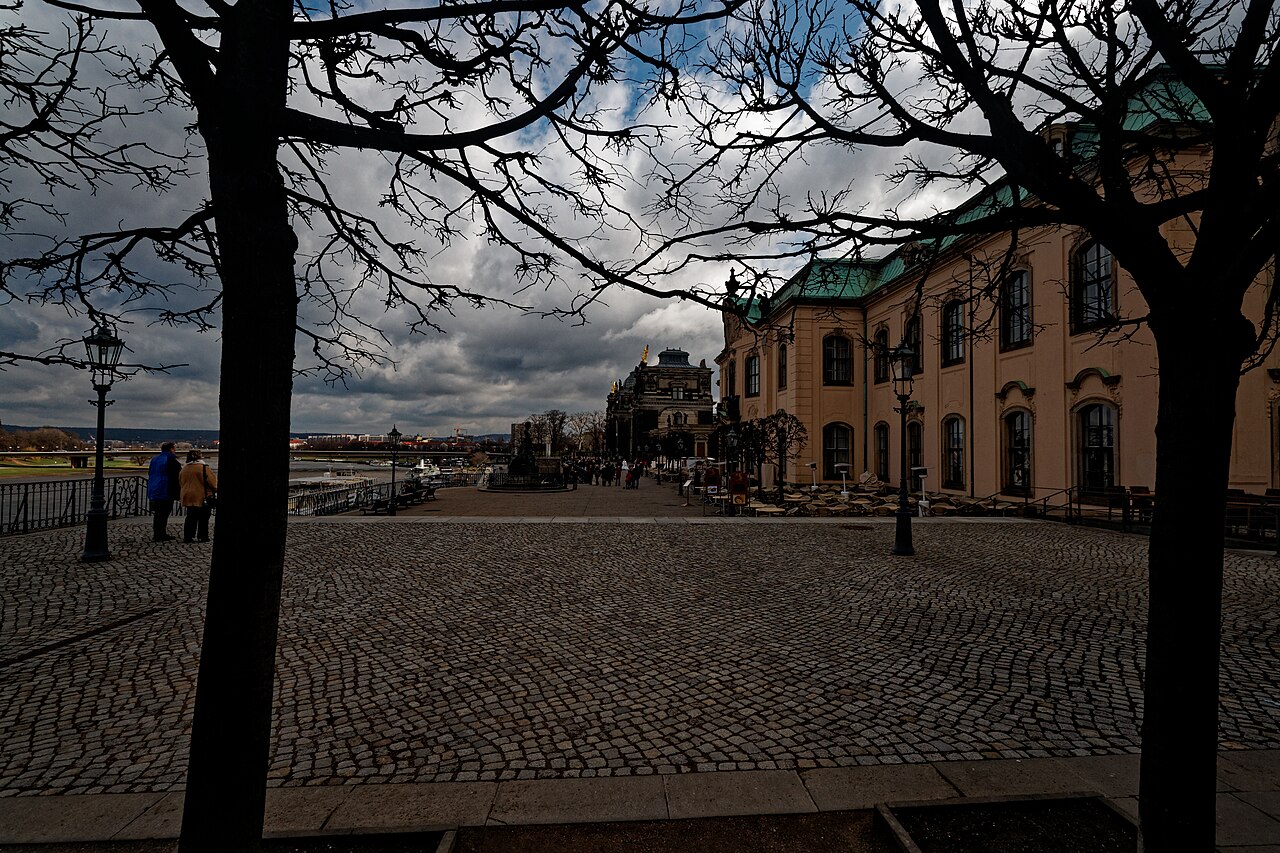
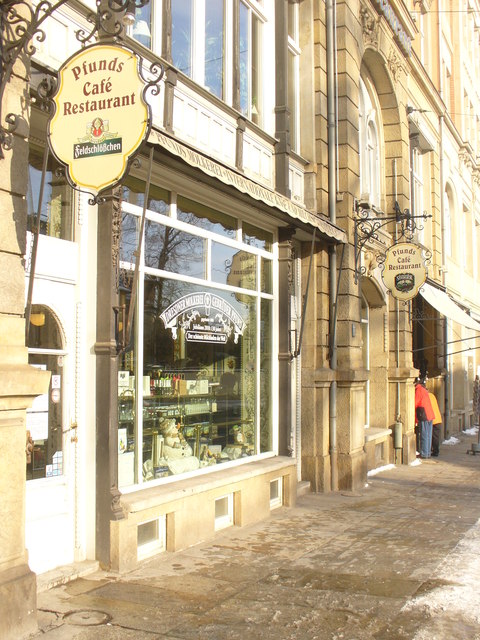
One of the most photographed rooms in Dresden is Pfund’s Dairy, a shop whose walls are covered in hand-painted tiles; it is free to look in, and the shop sells regional dairy products. For a classic coffee-and-cake break, choose a café around the Neumarkt or on Brühl’s Terrace, where the skyline and the river do half the work. The Kunsthofpassage in the Neustadt has smaller cafés in a series of artist-designed courtyards, a quieter alternative when the Old Town is full.
Beer, the Saxon way
The best-known beer near the city is Radeberger, a crisp pilsner brewed in the town of Radeberg just north-east of Dresden and found on almost every tap. Other Saxon pilsners and wheat beers appear in the beer gardens along the river. In summer, the Elbe meadows and the riverside beer gardens in Neustadt and Blasewitz are the place to sit outside with a glass in the evening. Many places charge a deposit for glasses or mugs, which is refunded when you return them.
Wine on the Elbe
Saxony is one of Germany’s smallest and most northerly wine regions, and its vineyards climb the slopes on the north bank between Dresden, Radebeul and Meissen. The wines are mainly dry whites such as Riesling, Müller-Thurgau and Weissburgunder, with a freshness that suits the local food. The vineyard towns of Radebeul and Meissen are an easy half-day outing by S-Bahn, and a visit can be combined with the porcelain manufactory in Meissen. If you prefer to taste in town, ask at a wine bar for a Saxon bottle, since many menus are heavier on Franconian and Rhine wines.
Where to eat by neighbourhood
The Old Town has the most polished dining and the most tourists, so aim for restaurants a street or two back from the Frauenkirche and the Neumarkt. The Inner Neustadt has relaxed wine bars and cafés along Königstrasse and around the Albertplatz. The Outer Neustadt, north of the Albertplatz, is the evening address for younger crowds, with courtyards, international kitchens and a busy bar scene. It is the best area for a late dinner and a drink afterwards.
Christmas market food
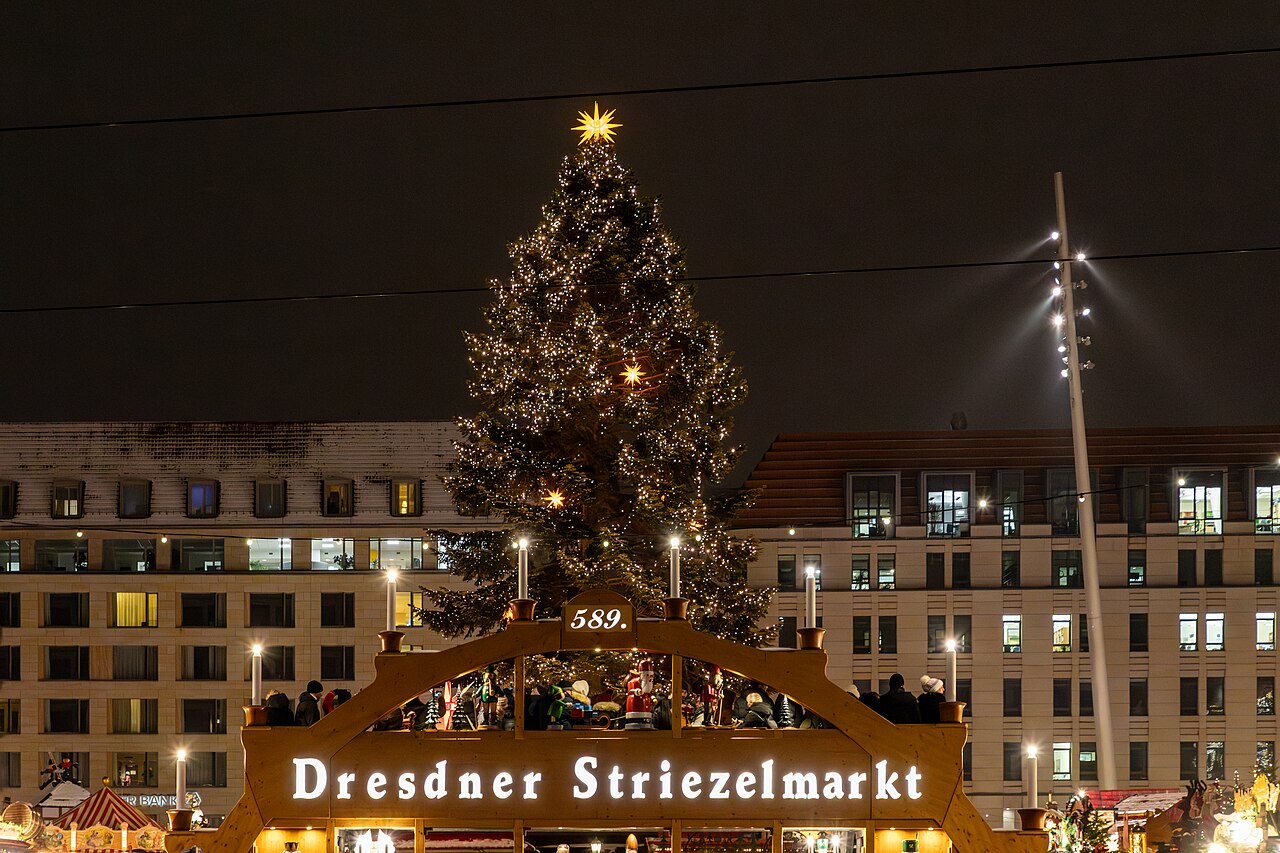
From late November the Striezelmarkt adds its own menu: bratwurst, roasted almonds, potato pancakes, hot chocolate and Glühwein served in collectable mugs with a deposit. The big Stollen Festival in early December is the day to see the giant Stollen cut and sold in slices in aid of charity. Eat early in the day, avoid Saturday evenings if you dislike crowds, and carry some cash, since smaller stalls prefer coins.
Practical tips
Many restaurants close one day a week, usually Sunday or Monday, and kitchens in smaller places often stop serving hot food by nine in the evening, so book ahead for dinner at weekends. Tap water is not served free in most restaurants, so expect to pay for a bottle or a glass. Vegetarian choices are now common in the city centre, but traditional Saxon cooking relies on meat, so ask if a dish contains it. If you are staying in the Old Town, walk the short distance to the Neustadt for a second, more local evening.