Dresden in winter is a different city from the summer one. Days are short, the Elbe is grey and the evenings come early, but the Old Town is lit, the museums are quiet and the Christmas markets turn the Baroque squares into a stage set. This is the season Dresden is most famous for, and with some planning it is also one of the easiest to enjoy, because so much of the best of the city is indoors and within a few minutes’ walk.
When the markets run
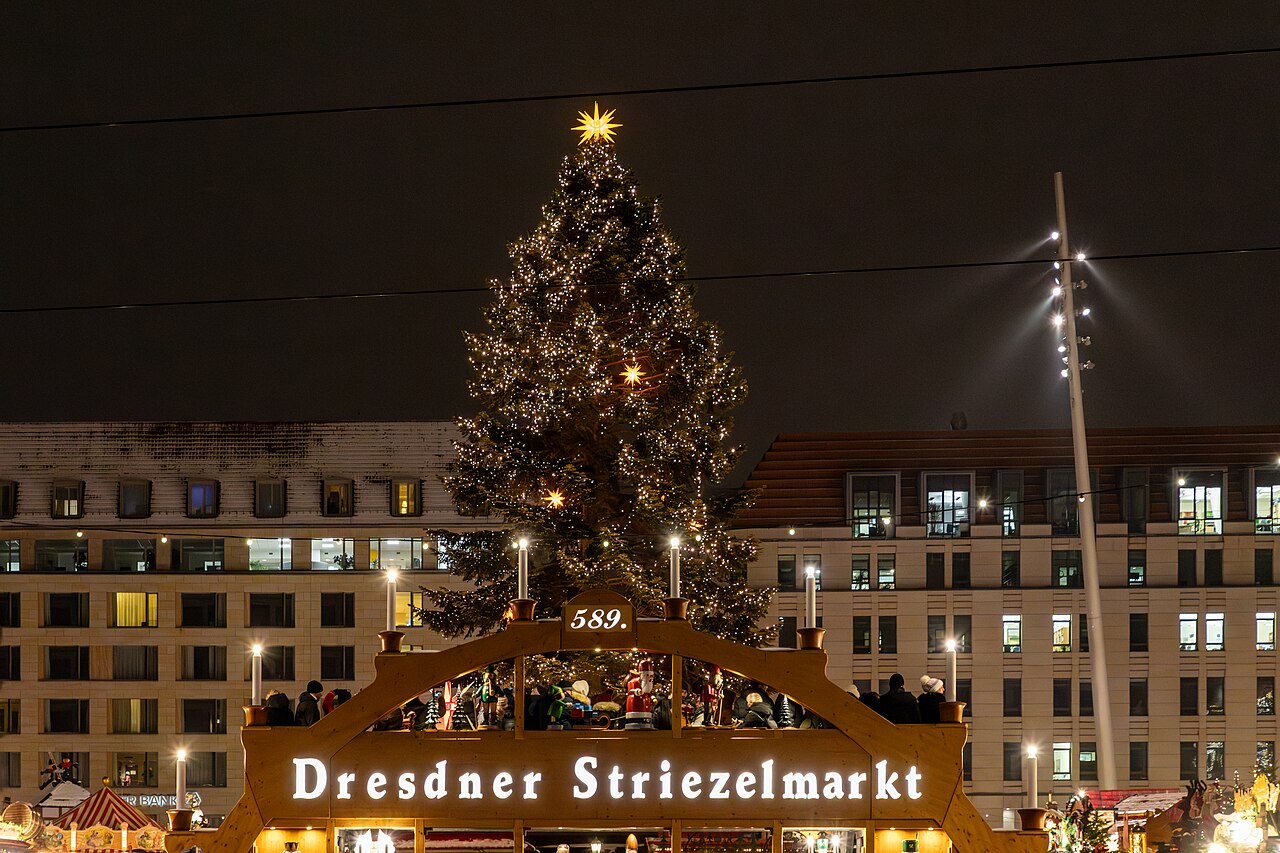
The Striezelmarkt, held since 1434 and one of the oldest Christmas markets in Germany, fills the Altmarkt from 25 November to 24 December 2026 in its 592nd edition. It is free to enter and is known for its giant Christmas pyramid, the nutcrackers, gingerbread from the Saxon town of Pulsnitz and the Dresden Stollen. Around it, smaller markets operate on the Neumarkt by the Frauenkirche, in the Stallhof of the castle and in the Neustadt, each with its own character. The Stallhof market leans medieval, with craft demonstrations and a more candle-lit feel, and the Neustadt market is the one to choose if you want fewer tourists and more locals.
Making the market work
Go on a weekday in the late afternoon, when the lights are on and the first rush has passed. Saturday evenings and the Stollen Festival weekend in early December are the most crowded. Hot Glühwein is sold in mugs with a deposit that you can return or keep as a souvenir, and cash is useful at smaller stalls. Warm layers matter more than you think, since the damp cold off the river is penetrating, and flat, grippy shoes are wise for cobbles that may be wet or icy.
Out at Pillnitz
The Christmas Garden at Pillnitz Palace and Park runs from 19 November 2026 to 10 January 2027, turning the grounds into a lit walking trail after dark. The park closes to normal visitors at 15:00 in this period, and the palace museums themselves are closed from November to March, so treat this as an evening outing for the lights and the park rather than a palace visit. Reach it by tram and bus or, on scheduled winter dates, by steamer from the city.
Museums for the dark afternoons
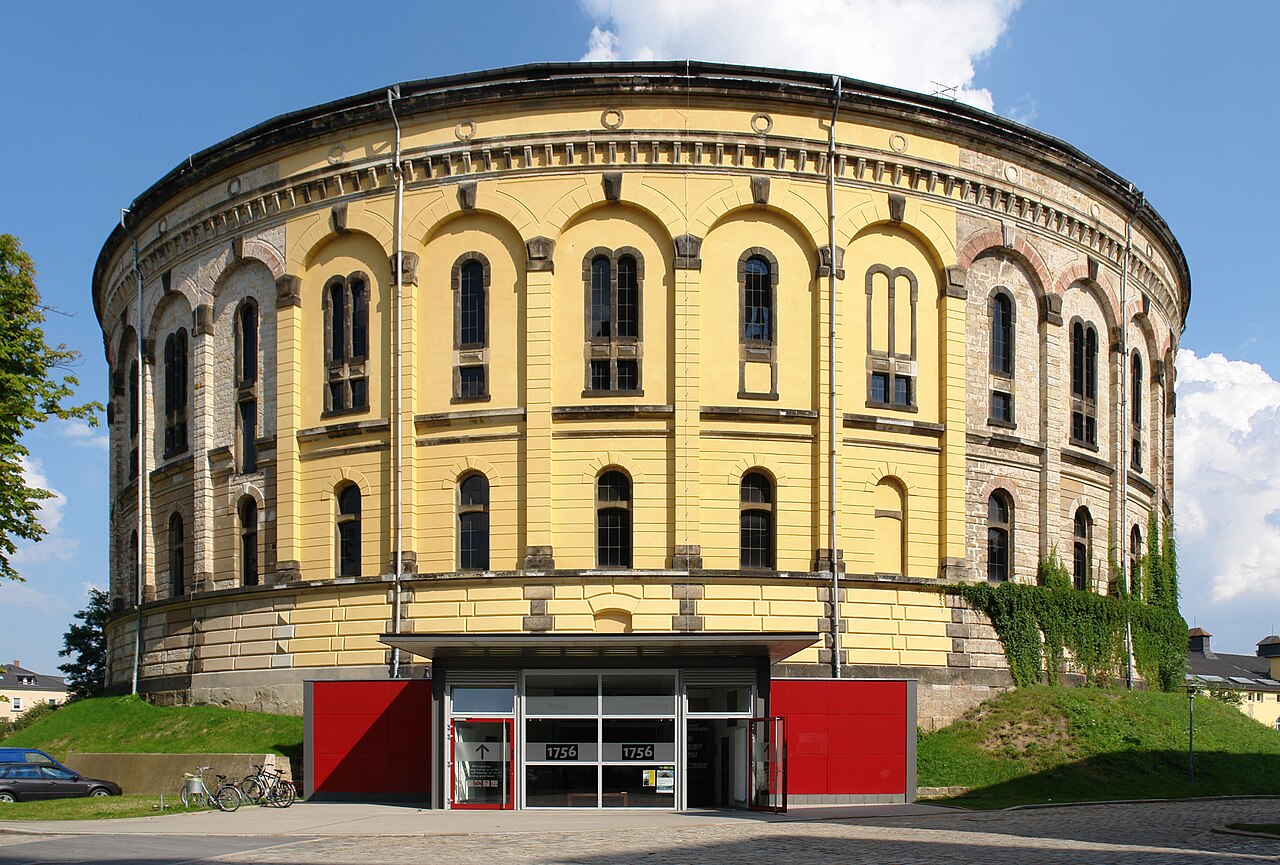
Winter is the best time to give the big collections the hours they need. The Old Masters gallery in the Zwinger, with Raphael’s Sistine Madonna, and the Albertinum next to Brühl’s Terrace, are warm and unhurried. The Green Vault in the castle uses timed tickets and is closed on Tuesdays, so book a slot well ahead for Advent, when demand rises. Other good wet-weather choices are the Military History Museum, whose dramatic angular extension is as striking as the collection, and the German Hygiene Museum, a lively and often surprising museum about the human body. The Panometer’s 360-degree panorama, housed in an old gasometer, is entirely indoors.
Out on the water in winter
The big paddle steamers of the Elbe fleet run a reduced timetable in winter, and trips depend on water levels and the dates the operator publishes. If you want a river trip, plan around the winter steamer dates rather than assuming a daily service, and book early for the weekends before Christmas.
Day trips in the cold
Meissen’s porcelain manufactory and old town are an easy and satisfying winter outing, since most of it is under cover. Moritzburg Castle has a winter exhibition about the story of Cinderella, which makes it a favourite with families. Saxon Switzerland is possible on a clear day, though trails can be icy and boat services in the gorge are limited, so go with a guide or check conditions first.
Where to stay
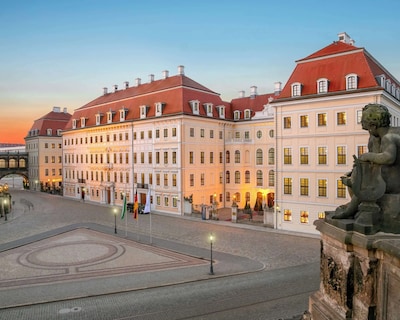
Rooms near the Altmarkt, the Neumarkt and the castle are in the highest demand during the markets, and prices rise sharply from late November. Booking two or three months ahead for a weekend in December is sensible. A hotel with a pool or spa is a pleasant answer to short days, and the Old Town is compact enough that you can walk to the markets and back to your room in minutes.
Practical details
Opening hours change on 24, 25 and 31 December and 1 January, and many shops and some museums close on 24 and 25 December, so check the date before you plan. Sunrise in December is late in the morning and light fades by about four in the afternoon, so schedule outdoor sightseeing for the middle of the day and save the markets and Brühl’s Terrace for the evening. Trams run reliably in cold weather, and the compact centre means a taxi is rarely necessary. Pack a compact umbrella as well as a coat, because winter weather in Dresden is as likely to bring drizzle as snow.