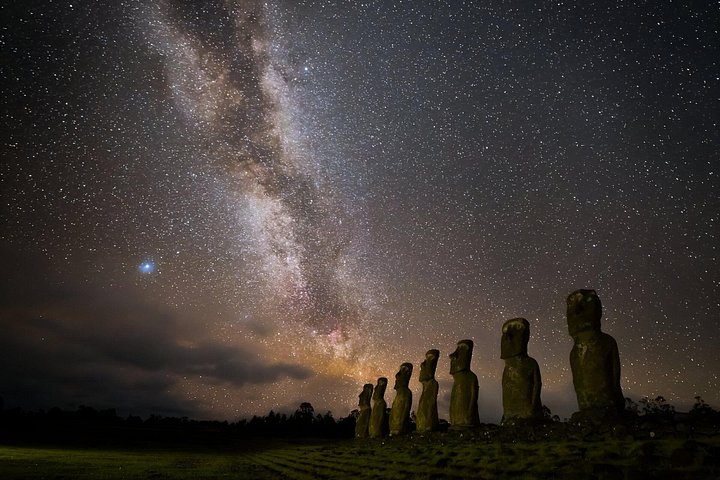
Rapa Nui is more than three thousand kilometres from the nearest major city, and that distance gives it a spectacular night sky. When the moon is low and the clouds clear, the Milky Way crosses the sky from horizon to horizon, and the stars of the southern hemisphere are bright and sharp. The Southern Cross stands near the southern horizon, and on good nights you can see the two Magellanic Clouds, the small satellite galaxies of our own. The island's ancestors paid close attention to the sky: platforms such as Ahu Akivi align with the equinox, and traditions link seasons, fishing and planting to the stars. A guided astronomy tour takes you to a dark spot on the edge of Hanga Roa, sets up telescopes and uses laser pointers to trace the constellations, often blending astronomy with Rapa Nui stories.
The tour is shaped by the lunar calendar. Around the new moon the sky is darkest and the Milky Way is spectacular, while a full moon washes out all but the brightest stars. Check the moon phase before you choose a night, and book a flexible date if you can.
Cloud is the other factor, and the Pacific weather changes quickly, so operators often reschedule or refund if the sky is covered. A good guide will describe what you are seeing in simple language and help you find planets, double stars and star clusters through the telescope.
Dress warmly. Even in summer, the wind off the sea makes the nights feel cool, and you will be standing or sitting still for an hour or more. Bring a jacket, a hat and gloves in winter, and consider a blanket. Red-light torches protect your night vision, and guides usually carry them. Photography is possible with a tripod and a camera that can take long exposures, but ask before setting up equipment in a group. Phones can capture surprisingly good results using night mode, but screens should be dimmed so as not to disturb others.
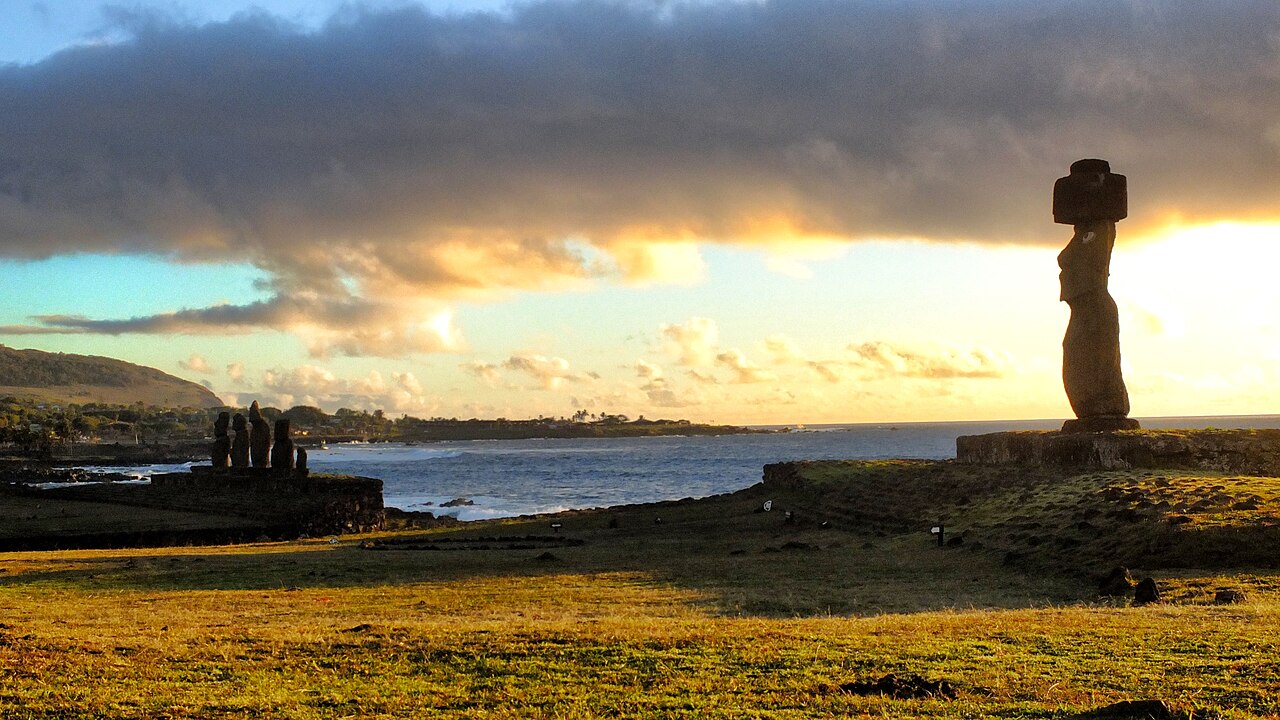
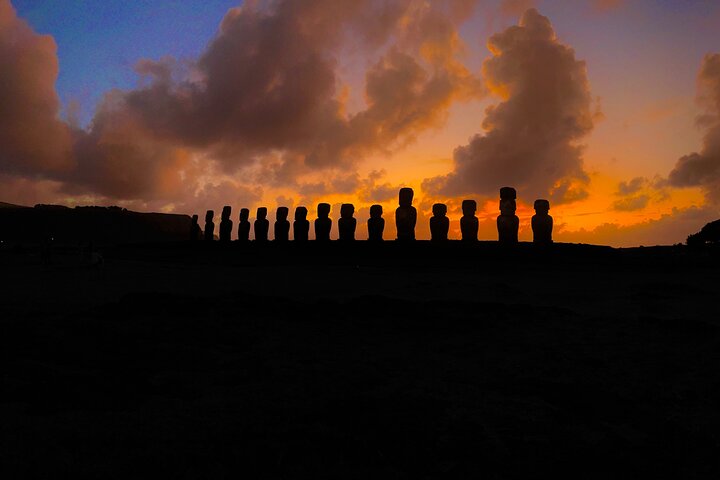
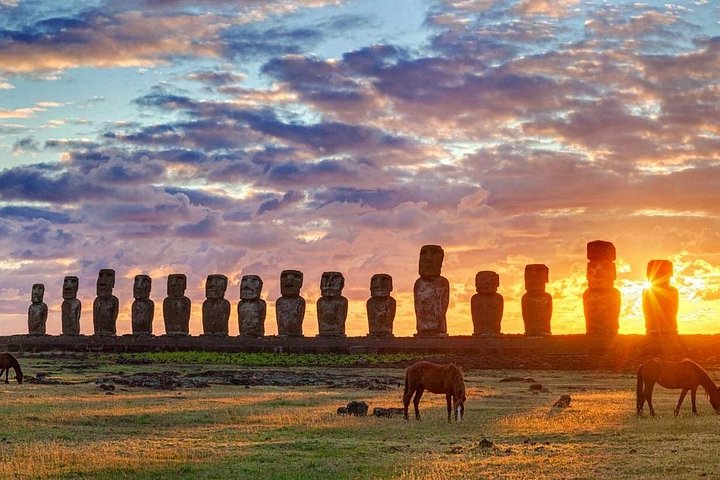
Astronomy pairs well with the island's heritage. After seeing a sunset at Ahu Tahai and a dinner in town, an evening under the stars is a calm finish to a busy day. Because the sessions begin after dark and last around two hours, you may want to avoid scheduling them before a sunrise tour at Tongariki.
The tour linked here is a dedicated astronomical evening, with transport arrangements to be confirmed when you book. Families with older children often find it one of the highlights, because the sky is a shared experience that does not need a long walk, ticket or entry rule. Bring patience for the weather and curiosity for the stars.
Make the most of your evening by preparing your eyes. Avoid looking at bright screens for twenty minutes before the tour, and let your vision adjust slowly to the dark. Dress in layers, carry a warm drink if the operator allows it, and bring a small cushion for sitting. If you are photographing, set your camera to manual focus, use a wide aperture, and take a test shot to check the exposure.
Do not forget that shooting stars and satellites cross the sky regularly, and a patient hour can reward you with several. Many guests find it one of the most peaceful experiences of the trip.
What to expect
The experience
A guided evening of naked-eye stargazing and telescope viewing at a dark site near Hanga Roa, with constellation stories and Rapa Nui sky lore.
Best time
Clear nights around the new moon. Cloud or a bright moon can reduce the experience.
How long
About two hours after dark.
Tips
Dress warmly, bring a hat and gloves in winter, and check the moon phase when you book.
Quick picks
- Best for
- Anyone who loves dark skies, couples and families with older children.
- Families
- Good for children old enough to stay up late and stay still in the cold.
- Couples
- A quiet, romantic and unforgettable evening.
- Pair with
- Sunset at Ahu Tahai or a Hanga Roa dinner beforehand.
- Time needed
- Two hours.
Good questions
When is the best time to see the Milky Way?+
Around the new moon on a clear night. A full moon makes the sky much brighter.
What happens if it is cloudy?+
Operators usually reschedule or refund, but confirm the policy when you book.
Can I take photos?+
Yes, with a tripod and long exposure or a phone night mode. Ask the guide before setting up.
Is it cold?+
It can be, because of the wind off the sea. Bring layers, and gloves in winter.
Is it suitable for children?+
Older children who can stay awake and still will enjoy it.