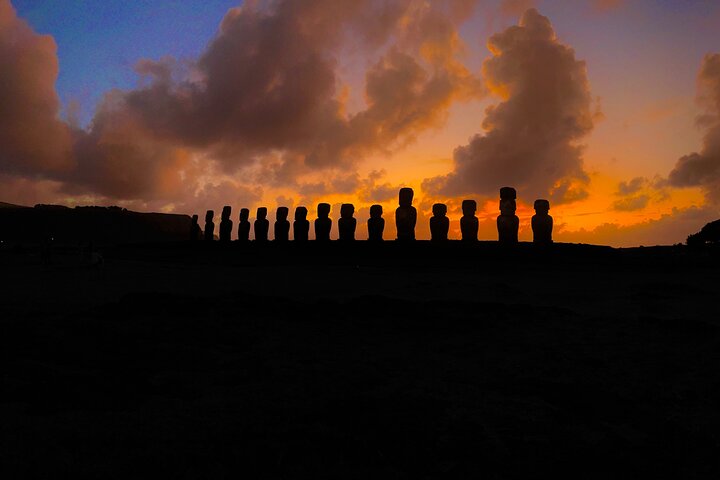
Ahu Tongariki at Sunrise
Fifteen restored moai in a single line on the largest ceremonial platform ever built on the island, facing the dawn over the Pacific. The signature sight of Rapa Nui, best seen as the sun comes up behind them.
Chile
Rapa Nui is the most remote inhabited island on earth, a small volcanic triangle of grassland, crater lakes and black coast that sits some 3,500 kilometres off the Chilean mainland, and it holds the largest concentration of monumental stone sculpture in Polynesia.
Nearly nine hundred moai, the great carved figures raised by the island's ancestors, stand on ceremonial platforms along the shore, lie half-finished in the Rano Raraku quarry, and line up in fifteens at Ahu Tongariki at sunrise. This guide organises the island the way visitors actually experience it: the four anchors every trip is built around (Tongariki, Rano Raraku, Orongo and Anakena), the quieter interior and coastal sights, the culture and night-sky experiences in and around Hanga Roa, and eight places to sleep on an island with one town. Everything is practical: how the national park ticket and guide rules work, which tours cover which sites, and how to pace two to five days on a very small island.
Ahu Tongariki at Sunrise
Fifteen restored moai in a single line on the largest ceremonial platform ever built on the island, facing the dawn over the Pacific. The signature sight of Rapa Nui, best seen as the sun comes up behind them.
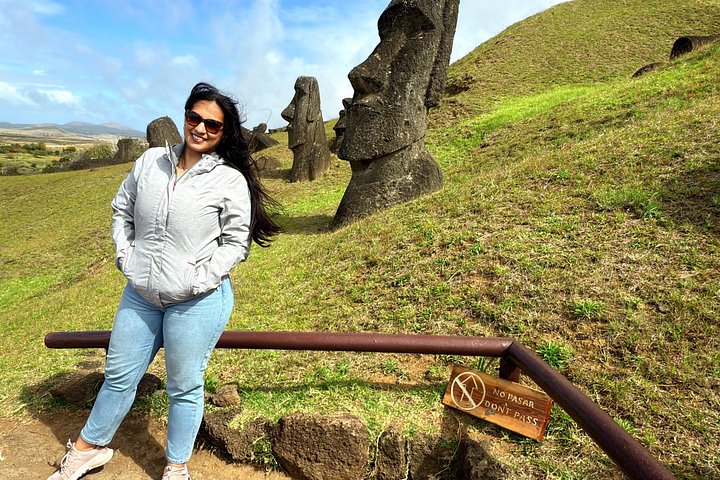
Rano Raraku Quarry
The volcanic crater where nearly every moai was carved, with almost four hundred statues in every stage of completion still standing on the slopes. The most atmospheric site on the island, and the one that explains the rest.
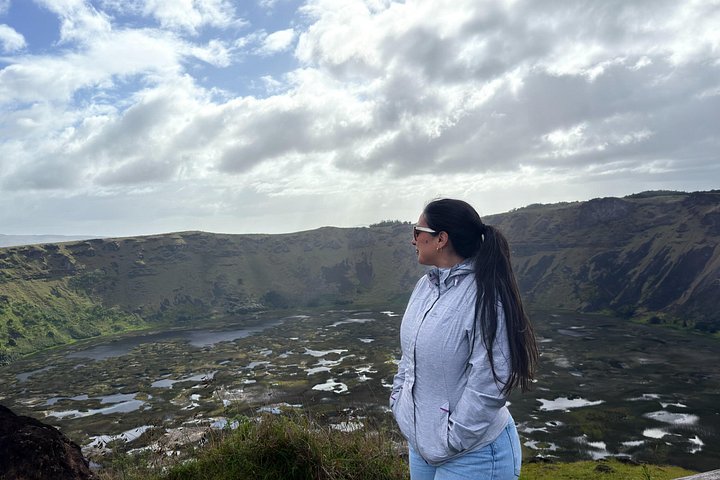
Orongo Ceremonial Village
A cliff-top village on the rim of the Rano Kau crater, built for the Birdman competition that replaced moai building. Stone houses, carved birdman petroglyphs and a view straight down into the crater lake.
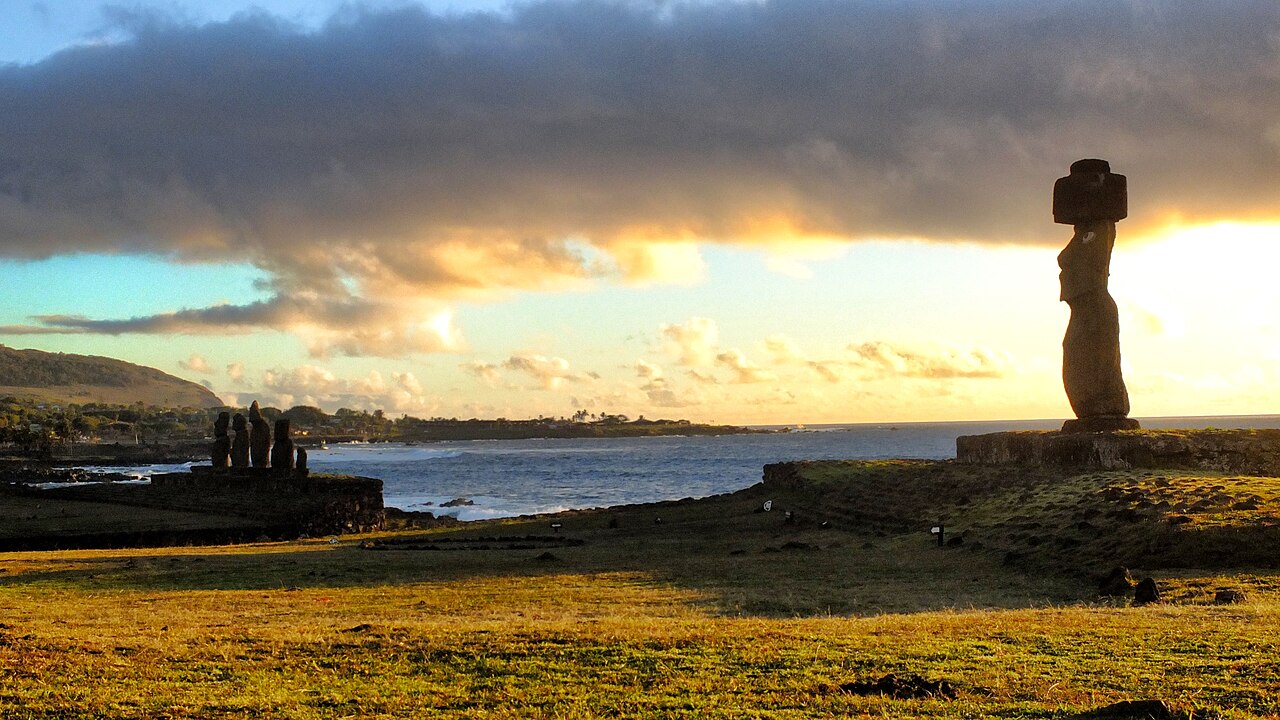
Ahu Tahai Sunset
An open site just outside Hanga Roa with three platforms, one moai with restored eyes, and the island's classic sunset. Walk there from town, bring a drink, and watch the light drop behind the statues.
Hand-picked: every experience here has strong traveler reviews and a verified booking link.
Fifteen restored moai in a single line on the largest ceremonial platform ever built on the island, facing the dawn over the Pacific. The signature sight of Rapa Nui, best seen as the sun comes up behind them.
The volcanic crater where nearly every moai was carved, with almost four hundred statues in every stage of completion still standing on the slopes. The most atmospheric site on the island, and the one that explains the rest.
A cliff-top village on the rim of the Rano Kau crater, built for the Birdman competition that replaced moai building. Stone houses, carved birdman petroglyphs and a view straight down into the crater lake.
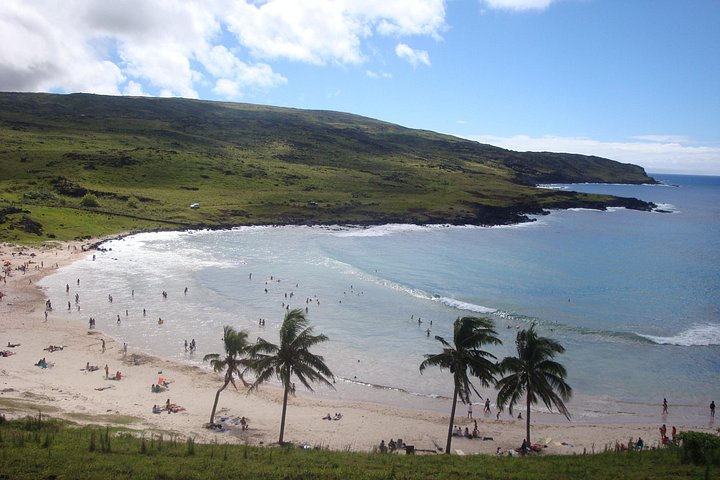
The island's one proper white-sand beach, backed by palms and a platform of restored moai with topknots. Swim, picnic and then walk up to the statues, the traditional landing place of the first settlers.
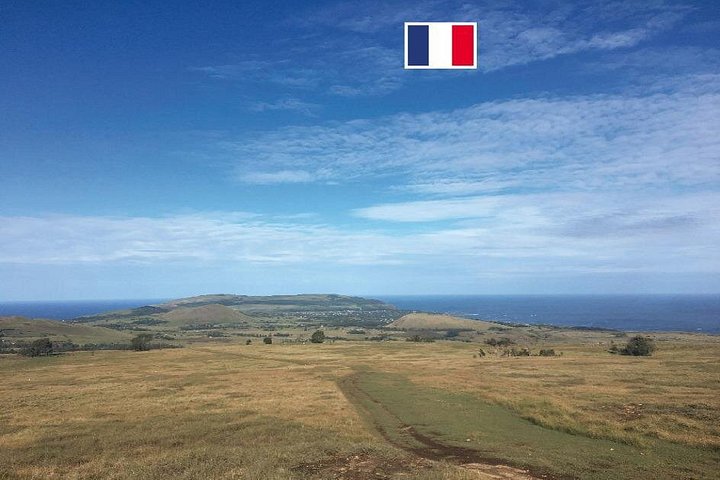
Seven moai standing inland and looking out to sea, an unusual platform tied to the equinox and to the legend of seven scouts sent ahead by the first king. A quiet, thoughtful stop on the way to the island's summit.
An open site just outside Hanga Roa with three platforms, one moai with restored eyes, and the island's classic sunset. Walk there from town, bring a drink, and watch the light drop behind the statues.
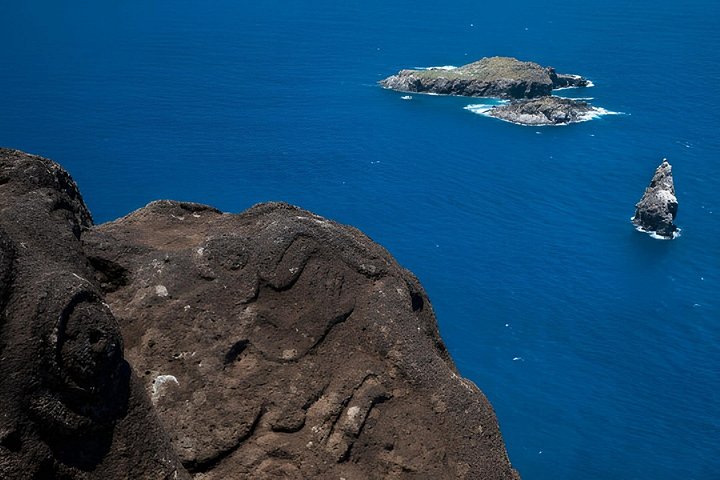
A guided half-day walk along the trail that connects the Rano Kau crater rim to Orongo, with open views over the lake, the sea cliffs and the three offshore islets. The best hike on the island that is not a full-day trek.
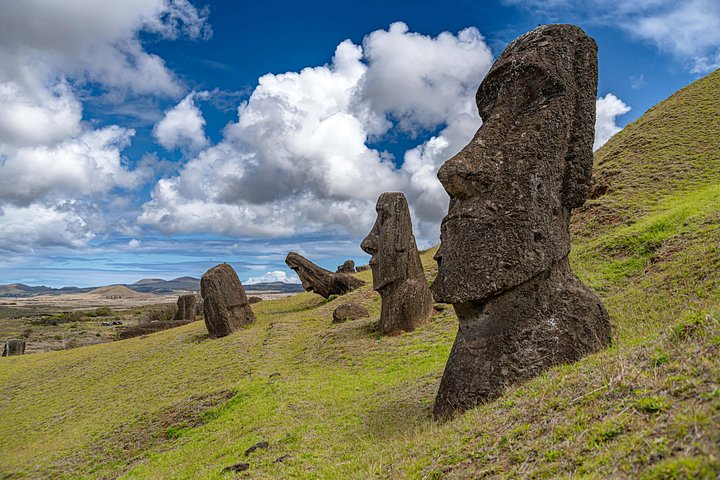
The rugged southern coastline, where toppled moai lie face down beside the sea and a platform of near-seamless stonework at Vinapu has fuelled a century of debate. A raw, atmospheric contrast to the restored east coast.
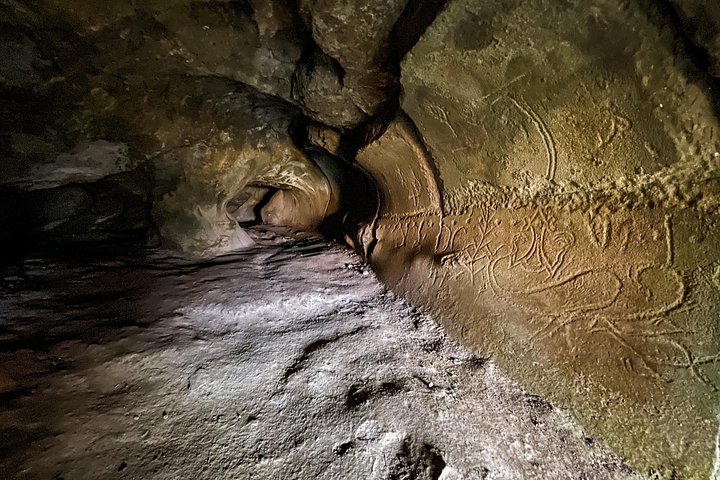
The quiet eastern end of the island: a grassy volcano, sea cliffs, old farm tracks and almost no other visitors. A guided private tour reveals the legends of the Poike ditch and views over Tongariki from above.
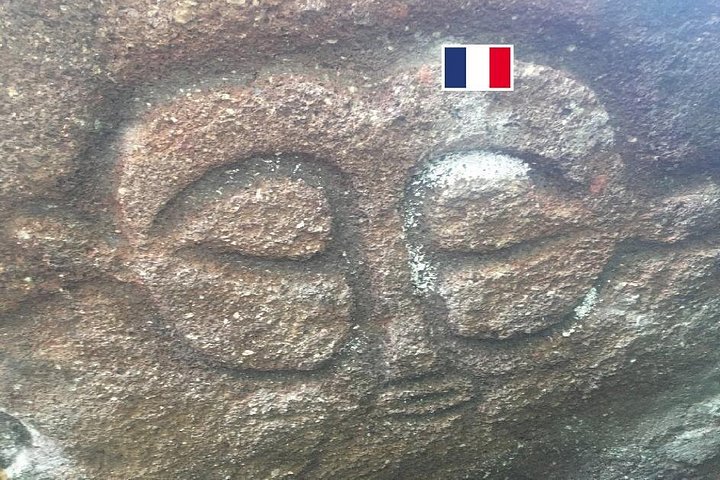
A day on the wild northern shore: the largest moai ever carried to a platform, the navel-of-the-world stone, and the pink-sand cove of Ovahe beneath its cliffs. Quieter than the south and east, and full of stories.
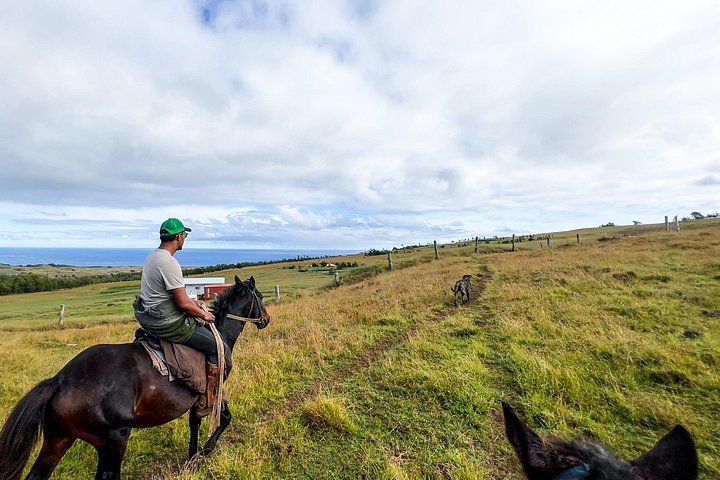
The island's highest point at 507 metres, reached by a gentle grassy climb from the interior. From the top you see the entire triangle of Rapa Nui and a horizon of empty ocean in every direction.
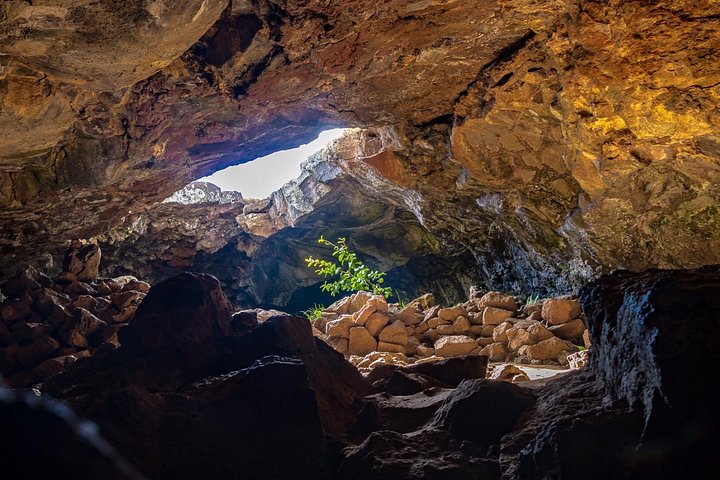
Underground Rapa Nui: lava tubes once used as shelter, garden pits where bananas and taro still grow, and caves linked to the island's turbulent history. A cool, dark counterpoint to the open-air sites.
Hotels we would book ourselves, from splurges to good-value bases.
Hanga Roa coast
The island's best-known upscale resort, formerly the Hangaroa Eco Village and Spa. A hillside-and-ocean setting on the edge of Hanga Roa, with a spa, pool and restaurant, and a Rapa Nui feel in its design.
Check rates →Hanga Roa outskirts
A boutique hotel in the Altiplanico style of earthy, low-slung buildings that blend into the landscape. Calm, design-led and quieter than the town, for guests who want peace between tours.
Check rates →Hanga Roa
A mid-range hotel in Hanga Roa suited to travellers who want a comfortable base close to the town's restaurants, shops and tour operators without resort prices.
Check rates →Near Ahu Tahai
A small hotel whose name comes from the nearby Tahai sites, putting the island's best sunset spot within easy walking. A good choice for travellers who like a quieter edge of town.
Check rates →Hanga Roa
A garden-style hotel in Hanga Roa named for the stone-walled planting enclosures the islanders built to shelter crops. Comfortable, low-key and well placed for walking to the shops and harbour.
Check rates →Hanga Roa
A small, locally run hotel in Hanga Roa that suits travellers who prefer a personal welcome to a large lobby, with easy access to the town and tour pickup at the door.
Check rates →Hanga Roa area
An eco-minded lodge for travellers who want a quieter, more natural stay close to Hanga Roa. Think open space, simple comforts and a slower pace between sites.
Check rates →Hanga Roa
A budget hostel in Hanga Roa for backpackers and travellers on a tight budget. Social, simple and a good place to share tours and meet other visitors.
Check rates →Ready-made pairings: a top sight and a hotel that suits it. Add both to your trip and book each when you are ready.
Do
Ahu Tongariki at SunriseStay
Nayara HangaroaHanga Roa coast
Do
Rano Raraku QuarryStay
Taha Tai HotelNear Ahu Tahai
Do
Orongo Ceremonial VillageStay
Altiplanico Rapa NuiHanga Roa outskirts
Everything a first visit needs: how to get there, how long to stay, how the national park ticket and guide rules work, what to book first, and how to eat and move around on the most remote inhabited island.
A three-day plan that sequences the sunrise at Tongariki, the quarry, Orongo, the north coast and the interior so that you see the island's headline sites without rushing, with advice on swapping days for weather.
How to choose a base on Easter Island: the single town of Hanga Roa, resort-style stays on the coast, boutique and eco options, and budget hostels, with advice on location, booking and what to ask.
When to go to Easter Island: the warm high season from December to March, the Tapati festival in February, the cooler and quieter winter, what the weather does through the year, and how to plan around crowds.
How the national park system works on Easter Island: who manages it, how the ticket is valid, the one-entry rule for Orongo and Rano Raraku, the guide requirement and its exceptions, and the rules for respectful visiting.
A short guide to how and why the moai were made, how they were moved, what the Birdman cult was, how the island's society changed, and how Rapa Nui culture lives on today, to help you read the sites you visit.