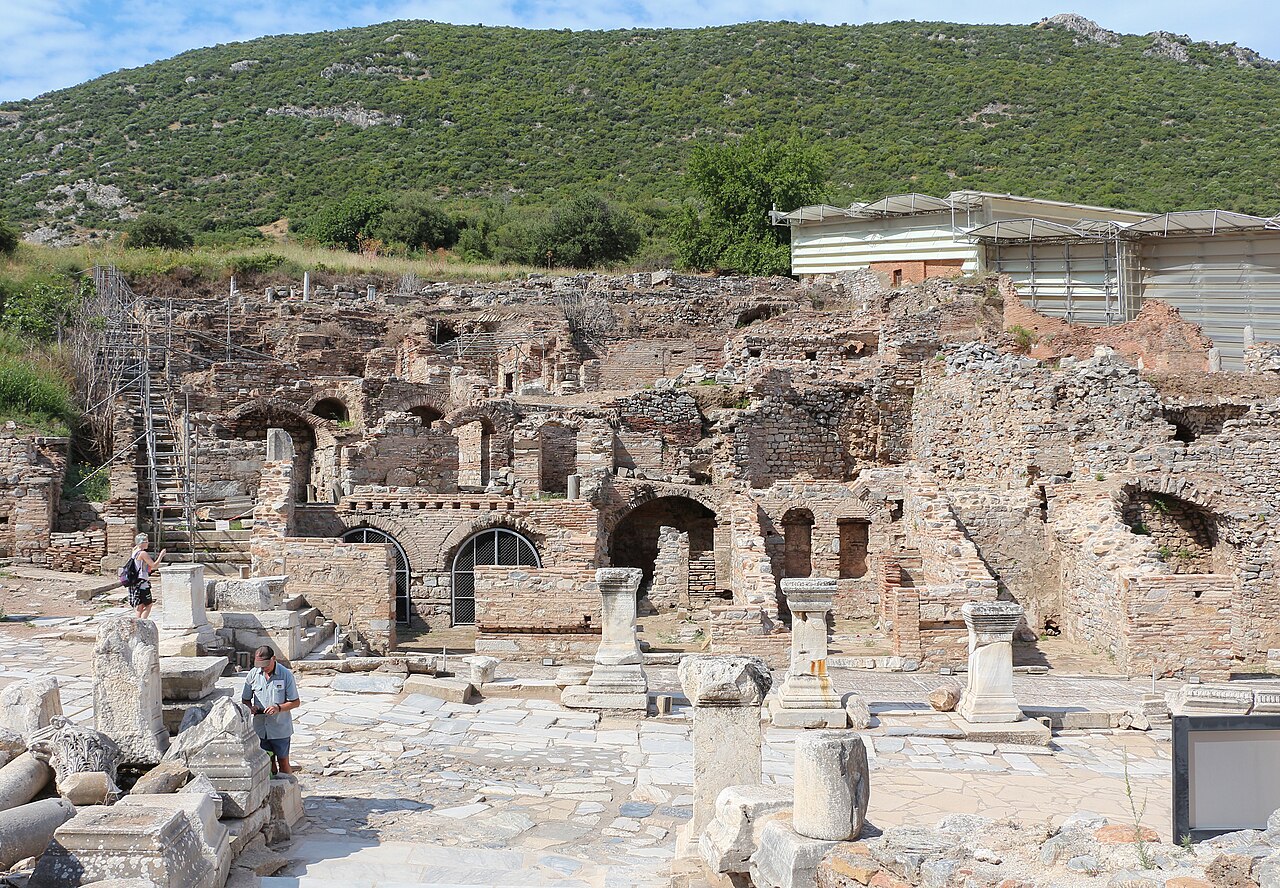
The Cave of the Seven Sleepers is the quietest legend of Ephesus. It lies about two kilometres down a road from the ruins, on the hillside, and is a small cave system that once served as a burial site. The story tells of seven young Christians who, around the middle of the third century AD under the Roman emperor Decius, were sealed into a cave to die rather than renounce their faith. They are said to have fallen asleep and woken about two centuries later, in a Christian city, to the amazement of everyone, before dying. The tale spread across the Christian and Islamic worlds, and the Seven Sleepers are mentioned in the Quran, which is one reason the place matters to visitors of several faiths. The cave itself holds a number of tombs and burial niches, and you walk among them in a modest, shaded space where the mood is more contemplative than spectacular. Outside, local women cook gözleme, thin savoury flatbreads, on a terrace just before the entrance, which makes a simple and genuine stop for a snack.
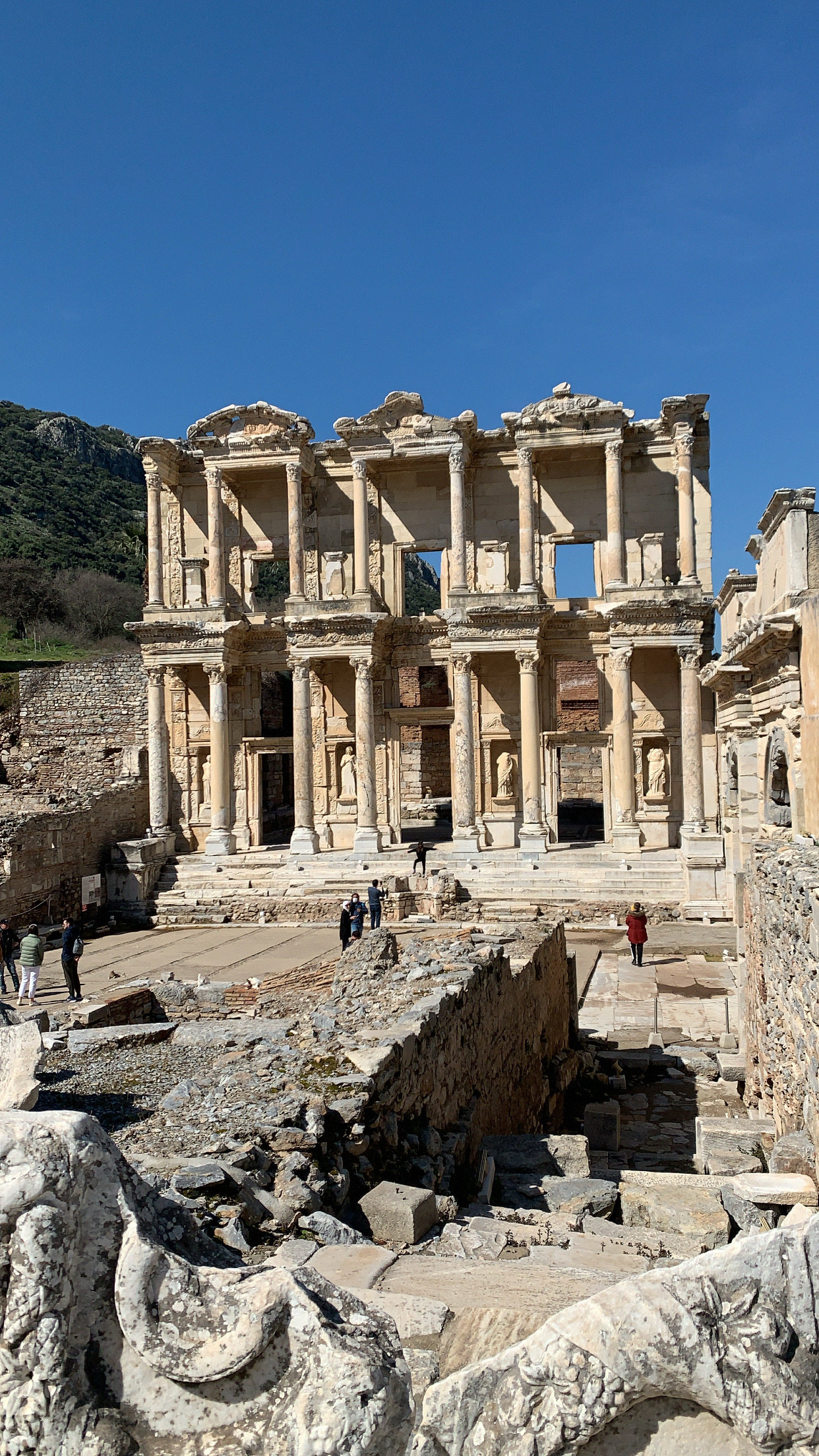
Set your expectations for a short visit. This is not a major archaeological monument like the Library of Celsus, and you should expect a small site, rock-cut tombs and information boards, rather than grand architecture. What makes it worthwhile is the story, the atmosphere and the fact that so few visitors reach it.
It rewards people who like legends and who enjoy the layers of belief at Ephesus: pagan, Christian and Muslim. The cave is cool, so it is a welcome break in summer, and the walk or ride down from the ruins gives views across the valley.
It is often included in a small-group or private tour, usually for fifteen to thirty minutes, and independent visitors can reach it by taxi or by car from the ancient city.Practical advice. The site is generally open to visitors during daylight hours, and entry is usually free or very cheap, but check locally for the current arrangement, since conditions at minor sites change. Wear shoes with grip, because the ground can be uneven, and bring water in summer.
The cave is not suited to wheelchairs or to anyone who finds uneven ground difficult. Visit in the morning or late afternoon to avoid the hottest hours, and treat the burial place with respect, with a lowered voice and no climbing on the tombs. Many visitors combine it with the ruins of Ephesus in the same morning, since it is close to the ancient city and quiet compared with it.Who is it for? Pilgrims, history lovers and families with older children who enjoy a good story.
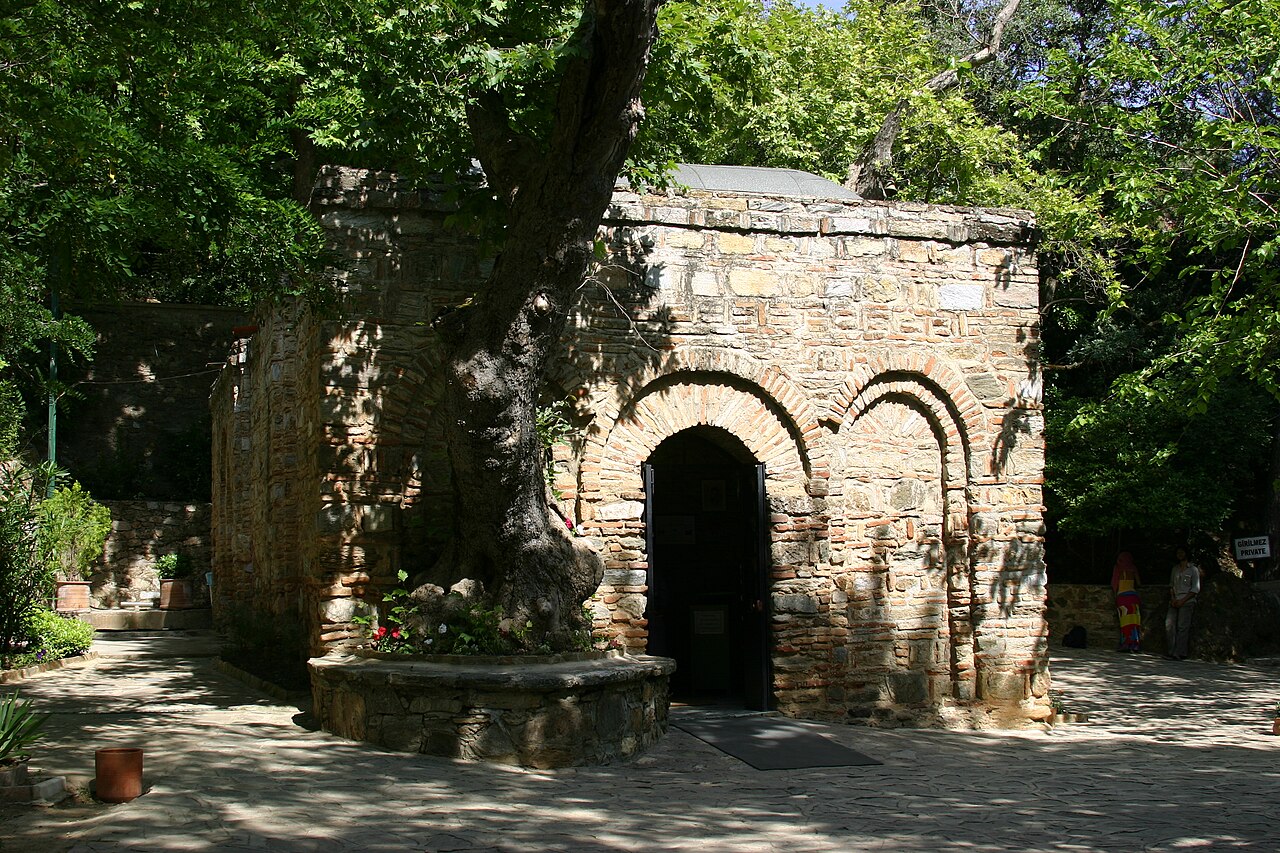
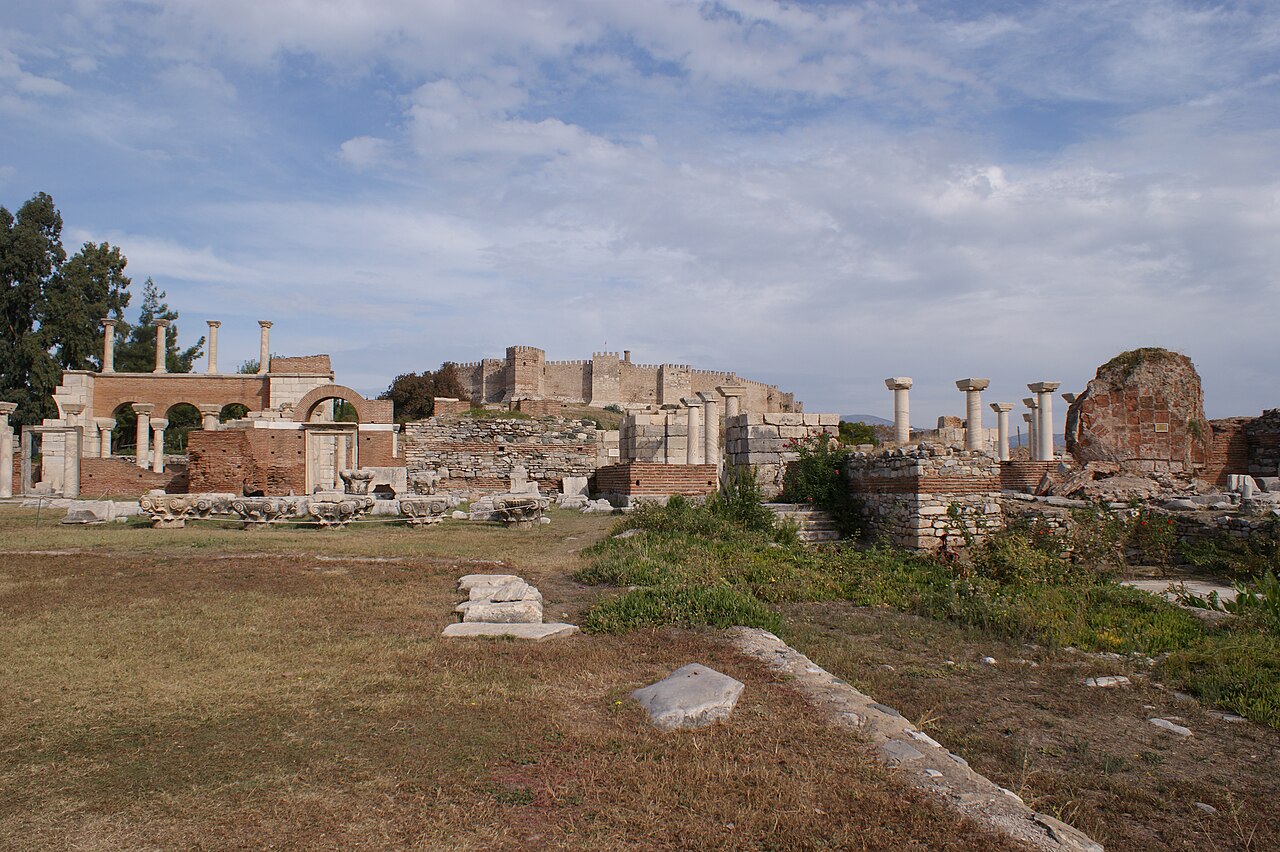
It is a good choice if you want to see the unhurried edge of Ephesus, and a useful contrast to the House of the Virgin Mary and the Basilica of St John, which belong to the same Christian layer of the region. If you are short of time, skip it and go to the museum instead, but if you have a few spare hours, the cave and a gözleme on the terrace make a memorable, low-cost afternoon. Allow about half an hour for the visit itself.
What to expect
The experience
A short visit to a small cave system with burial niches, tied to the legend of seven sleepers, with gözleme sold outside.
Best time
Morning or late afternoon, outside the midday heat; the cave itself stays cool.
How long
About half an hour, plus the travel from Ephesus.
Tips
Wear shoes with grip, bring water and speak quietly among the tombs.
Quick picks
- Best for
- Pilgrims, history lovers and anyone who enjoys a good legend.
- Families
- Older children who like stories; the ground is uneven.
- Couples
- A quiet, off-route stop on a morning at Ephesus.
- Pair with
- Ephesus, the House of the Virgin Mary and the Basilica of St John.
- Time needed
- Half an hour at the site.
Good questions
What is the legend of the Seven Sleepers?+
Seven young Christians were sealed in a cave under the emperor Decius around the middle of the third century and are said to have slept for about two centuries before waking in a Christian city.
How far is it from Ephesus?+
It is about two kilometres down a road from the ruins, so it is a short taxi ride or a drive.
Is it free?+
Entry is generally free or very low cost, but arrangements at minor sites change, so check locally.
Is the cave accessible?+
The ground is uneven and the cave is not suitable for wheelchairs.
Can I eat nearby?+
Yes, local women cook gözleme on a terrace just before the entrance, which makes a simple snack stop.