Kuşadası is one of the most popular cruise ports on the Aegean, and the reason is simple: Ephesus lies about half an hour away. A cruise call is usually short, so the best day is the one planned in advance. This guide explains how to choose your approach, how to order the sights and how to protect the one deadline that matters, the ship's departure.
Know your window
Ships typically arrive in the morning and leave in the late afternoon, but times vary by itinerary. Work backwards from the all-aboard time written in your daily programme, which is earlier than the sailing time, and subtract the transfer back to the pier and a safety margin. If the margin looks thin, choose a shorter plan. A rushed day wastes the best of Ephesus, which rewards a slow walk.
Three ways to do it
The first is the ship's own excursion, which is the most convenient and usually comes with a guarantee that the ship will wait if the tour runs late. The second is a pre-booked independent tour from a local operator, such as the Ephesus tours on this site, which are often smaller, more flexible and cheaper, and many include entry and lunch. The third is a self-guided visit by taxi, which gives the most freedom but also the most responsibility. If you choose an independent tour, confirm that it promises a return to the pier in good time, ask what happens in a delay, and keep the operator's phone number handy.
What to see in a half day
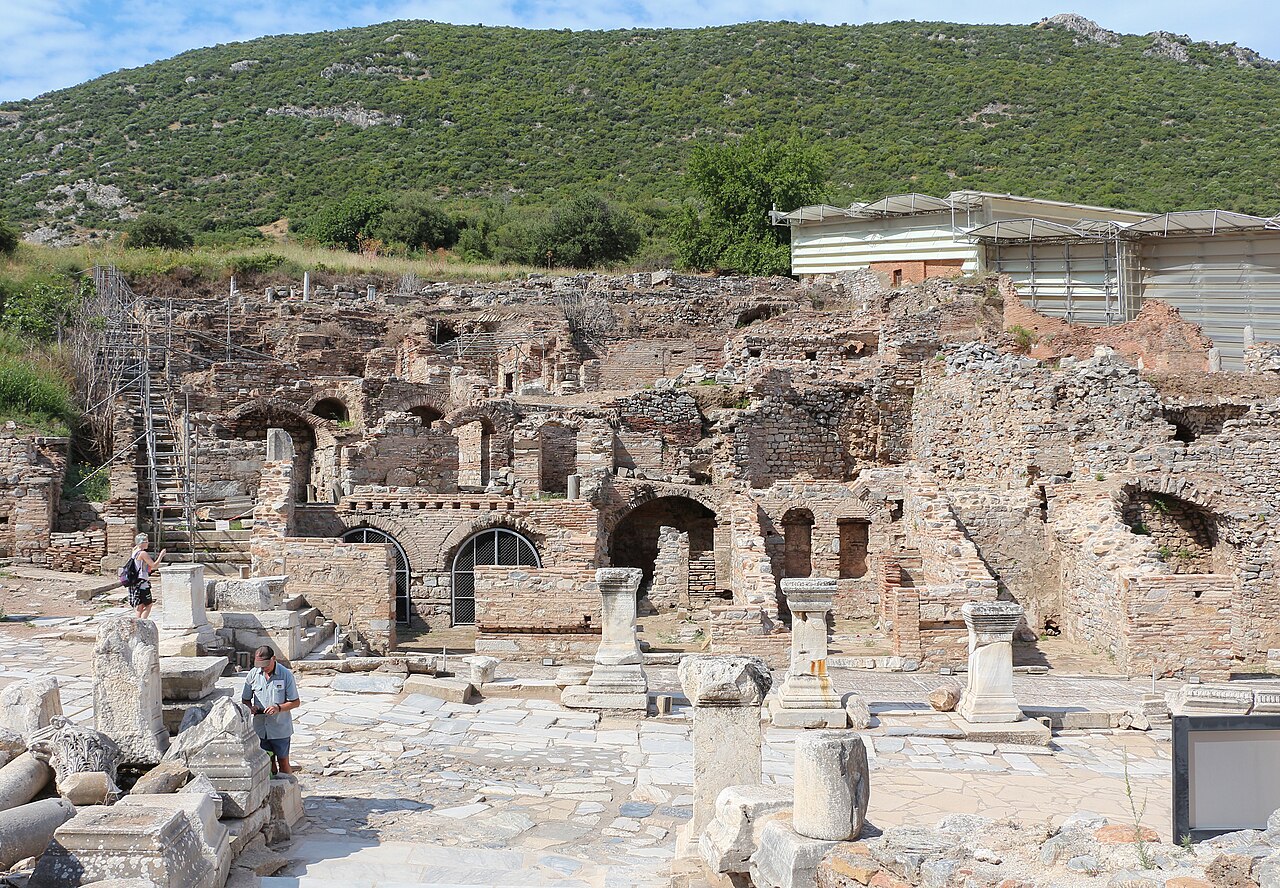
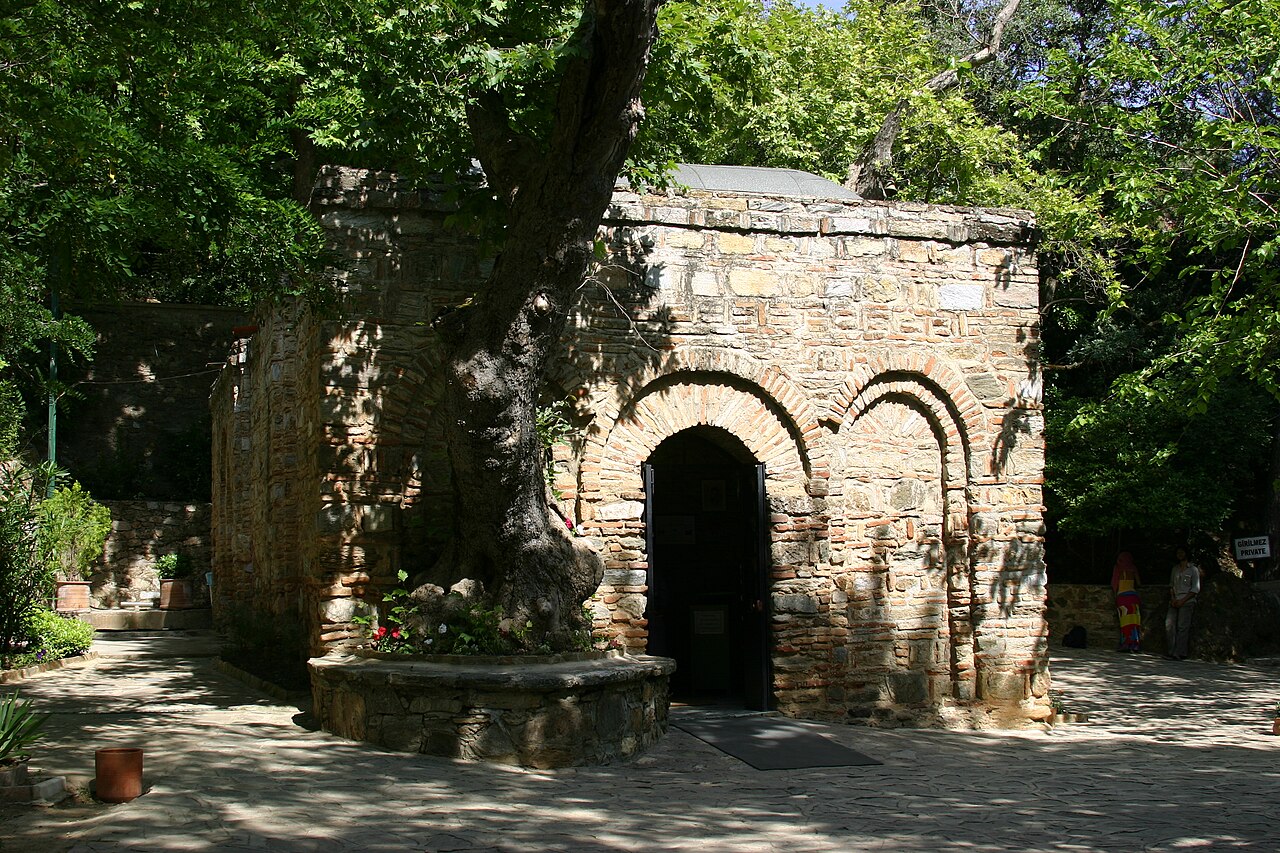
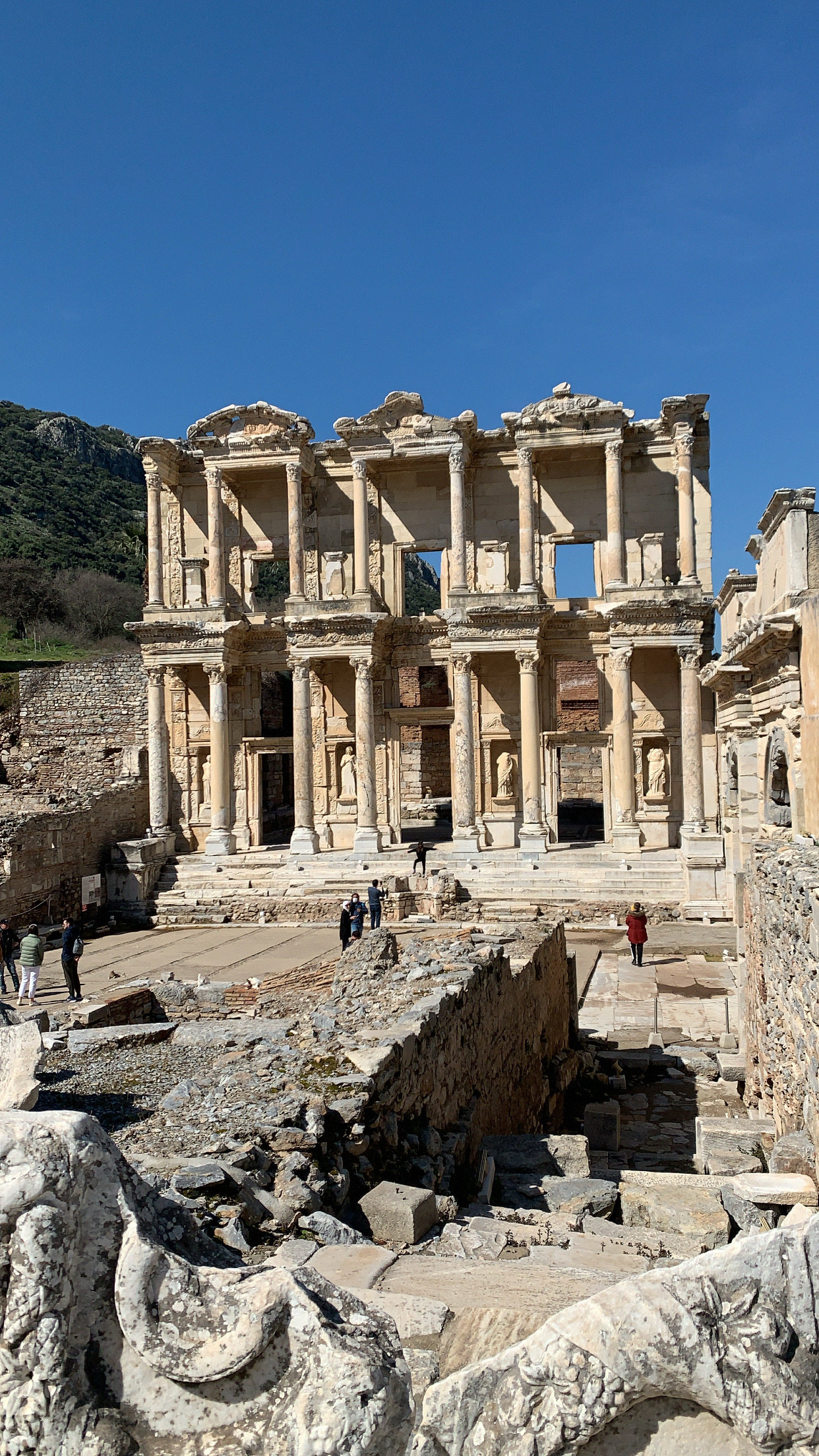
A well-run morning covers the ancient city from the upper gate down to the Library of Celsus and the Great Theatre, with time for the Terrace Houses if you want the painted interiors. That is plenty. Many tours add the House of the Virgin Mary, which is a quiet stop in the pines, or the Temple of Artemis, which is a single standing column and a very short visit. If you have a full day, add the Ephesus Museum or the Basilica of St John in Selçuk, which sit close together.
Choosing by interest
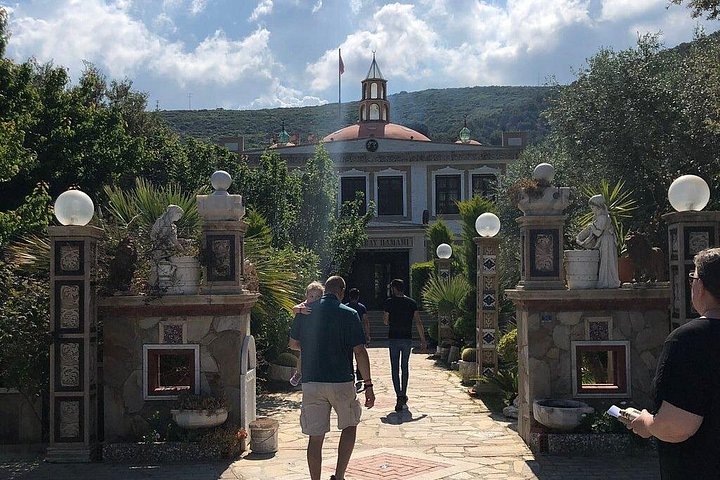
History lovers should pick a small-group or private tour with a licensed guide and a focus on the ruins. Families with children should keep the list short, bring water and plan a swim or an ice cream at the port. Food lovers can combine the ruins with a street food walk in Selçuk, as described in the food tour entry. Travellers who have seen Ephesus before can choose Şirince for its village streets and wine, or the pottery painting and wine tasting outing from the port area, or a hamam for a slow afternoon.
Heat and crowds
Ephesus has little shade and the marble gives back the sun, so in warm months start as early as possible. When several ships are in port, the main street fills between late morning and early afternoon. A tour that enters by the upper gate and walks downhill, or one that arrives first, avoids the worst of it. If you can choose the order, see the theatre early and the shaded Terrace Houses at midday.
Money and practical details
The local currency is the Turkish lira, though many shops near the port accept euros and cards. Carry a little cash for small purchases and tips. The bazaar behind the pier is lively and prices are flexible, but leave browsing for the end of the day so it does not eat into your Ephesus time. Wear sturdy shoes, bring a hat and sunscreen, and cover shoulders and knees if you plan to visit the House of the Virgin Mary or a mosque.
If you are staying longer
If your ship overnights in Kuşadası or you are extending the trip, base yourself in Selçuk for an early start at the ruins, or in Kuşadası for the beach and the boats. The where-to-stay guide compares the two. With two or three days you can see Ephesus at dawn, spend an afternoon in the village, and join a gulet cruise or a Pamukkale day trip without ever watching the clock.
A sample plan
Morning: transfer to Ephesus, walk downhill from the upper gate, pause at the Terrace Houses, finish at the Library of Celsus. Midday: lunch and, if time allows, the House of the Virgin Mary. Afternoon: return to Kuşadası with at least an hour to spare, a short walk on the seafront and back on board well before the deadline.