Three days is the sweet spot for Essaouira. It is long enough to see the main sights without rushing, short enough to keep the experience fresh, and it lets you match activities to the wind and weather. The plan below is built around walking, because the town is compact, and it leaves space for tea breaks, because that is half the pleasure of the place.
Day one: orientation and the sea walls
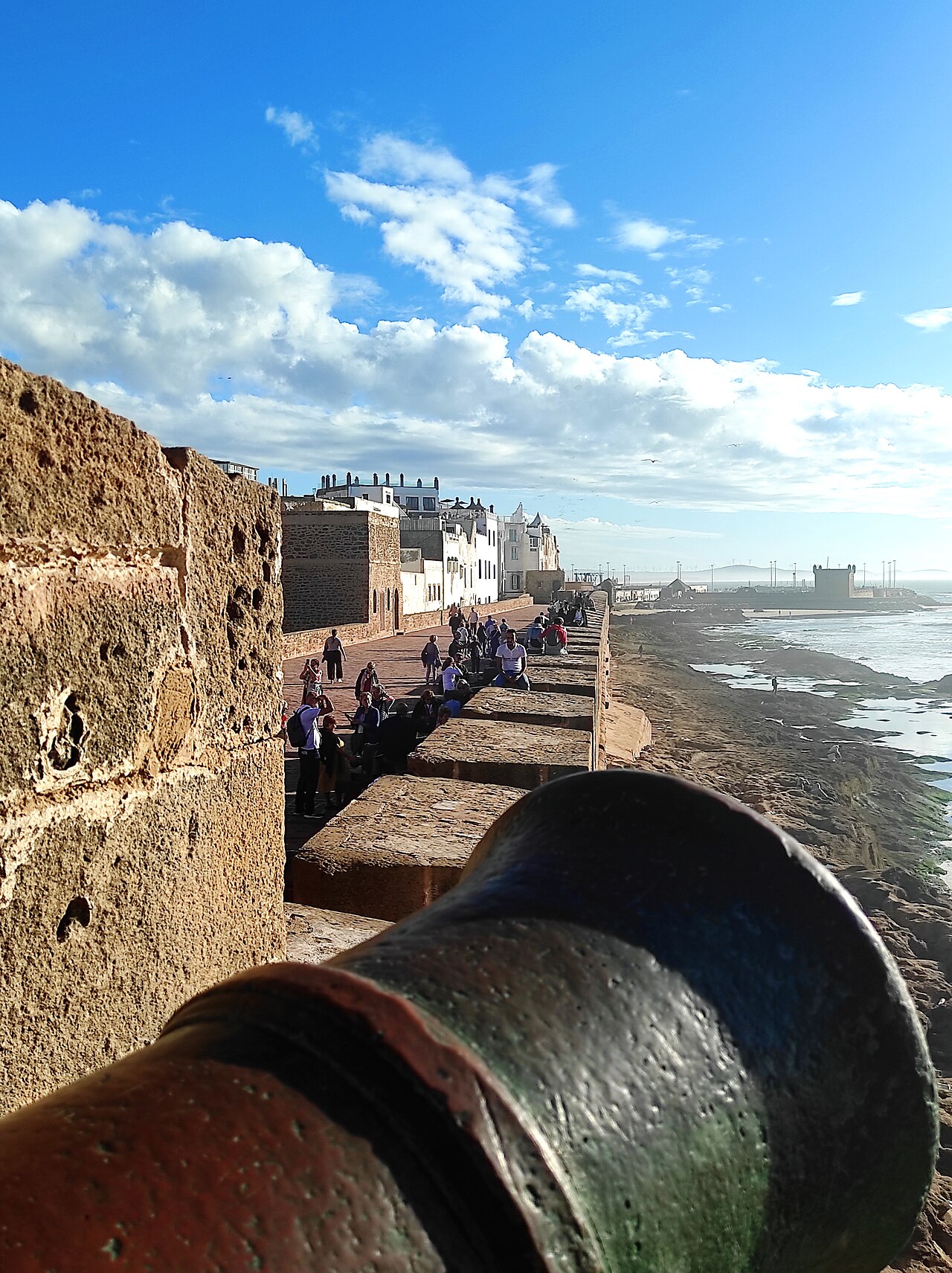
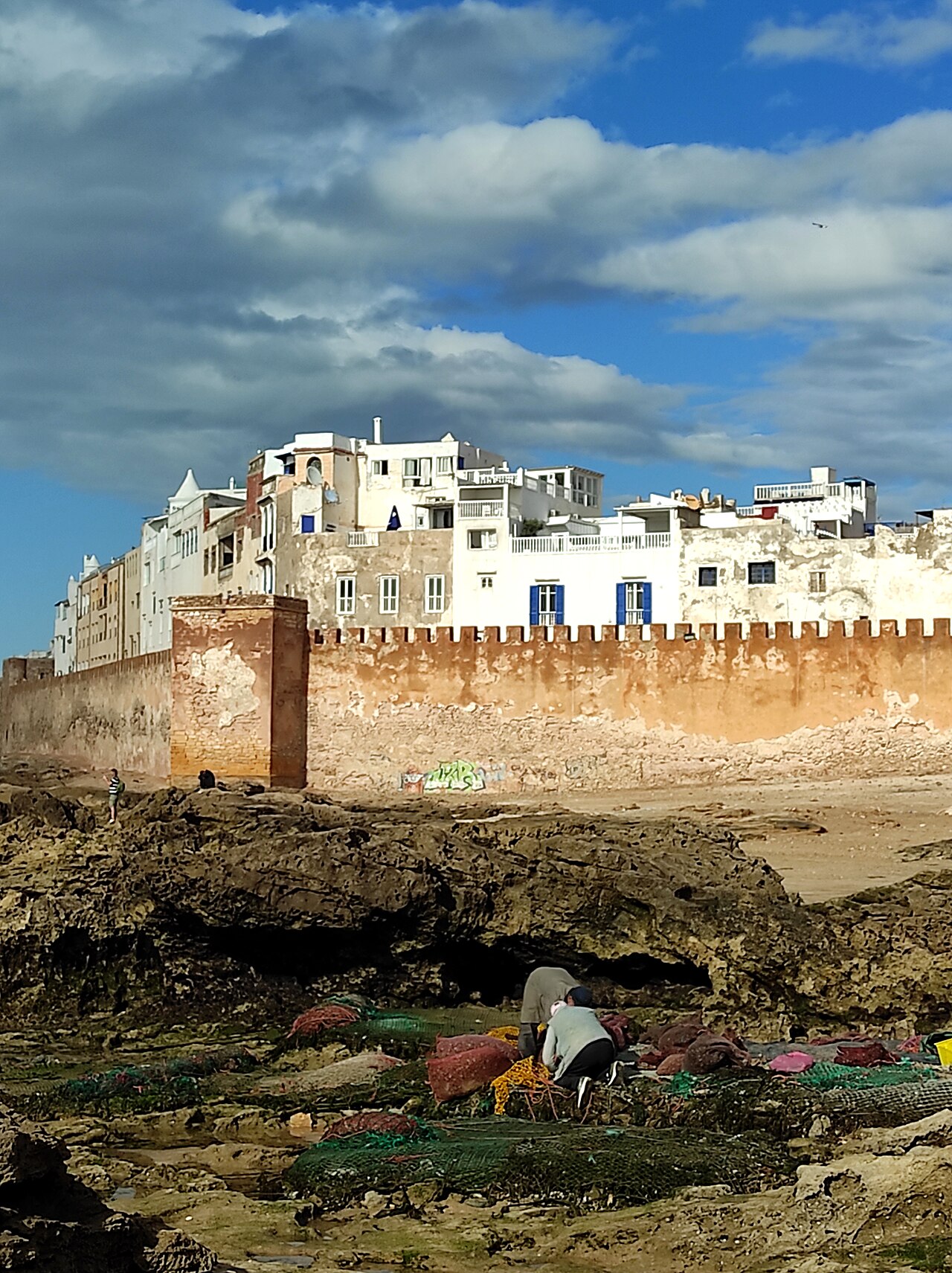
Start in the medina in the morning while the lanes are quiet, and let yourself wander without a goal. The street plan is more regular than in Fes or Marrakech, so getting lost is rarely a problem. Head to Place Moulay Hassan for a mint tea, then walk to the Skala du Port and look down on the fishing harbour. After lunch, climb onto the Skala de la Ville and follow the ramparts, with their bronze cannons and sea views. Stay for sunset, when the stone turns gold and the wind softens. Finish with grilled fish from the harbour grills or dinner in a medina restaurant.
Day two: craft, culture and food
Spend the morning on the creative side of the town. Browse the thuya woodwork workshops, step into a few art galleries, and visit the mellah and the Bayt Dakira heritage house for a quieter, more reflective hour. Over lunch, try a tagine or the catch of the day. In the afternoon, choose between a hands-on Moroccan cooking class and a guided medina walk with street food. Both give context and flavour, and both pair well with an easy evening. If the festival is on, the main square will be lively, and you can enjoy the music with a drink.
Day three: the coast and the wind
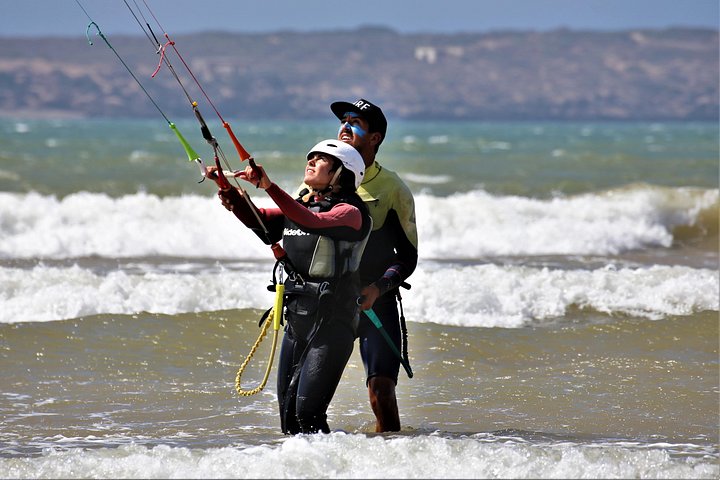
Use the final day for the sea. If you want activity, book a kitesurf or surf lesson, or a horse ride along the beach and dunes, preferably in the late afternoon for softer light. If you prefer a gentler pace, take a taxi to Diabat or Sidi Kaouki for a long beach walk, a camel ride and lunch beside the Atlantic. Another good option is an argan cooperative visit, which pairs a short drive with a look at how the famous oil is made. Return to town in time for a last stroll on the ramparts.
Pacing and flexibility
Treat the days as a menu rather than a script. If the wind is strong, swap the beach for the medina. If it is calm, move your water activity forward. Keep a windproof layer in your bag at all times, since the breeze is a constant. Midday can be busy with day visitors, so use the early morning and late afternoon for your most photogenic spots and spend the middle of the day in a cafe or a shaded courtyard.
What to book ahead
Most of the town needs no tickets, but providers fill up for lessons, horse rides, cooking classes and guided walks. Reserve those a few days ahead, especially in spring and autumn, and confirm meeting points. Book a riad early if you want a particular room or a terrace with a view. If you plan to travel on to Marrakech or Agadir, remember the road takes around two and a half hours, so avoid a rushed departure on your final morning.
Where to base yourself
A riad inside the medina puts everything on your doorstep. Choose a place near Place Moulay Hassan if you want to be close to the beach and the port, or near the ramparts for quieter evenings. Most medina riads have no parking, so plan to leave a car outside the walls. Ask your hosts to arrange a porter on arrival day, because lanes are too narrow for taxis to reach the door.
Eating along the way
Mix the settings: a harbour grill for fresh fish, a medina cafe for pastries and a quieter restaurant for a slow dinner. If you are cautious about street food, a guided tasting is a good introduction. Carry small notes for tips and for market purchases, and drink bottled or filtered water. Agree the price of fish before it is cooked, and do not be shy about asking questions.
If you have less or more time
With two days, combine days one and two and add a single sea activity. With four or five days, add Sidi Kaouki, the argan cooperative and a slow beach day without any plan. Essaouira rewards a relaxed pace, and many visitors end up extending their stay once they feel the rhythm of the town.