Fuerteventura has one of the most stable climates in Europe. It is dry, sunny and breezy for most of the year, with very little rain, so there is no bad season so much as different seasons for different trips. The island lies close to the coast of Africa, and the cool Atlantic and the steady trade wind keep summer from becoming oppressive, while winter stays mild. What changes through the year is the strength of the wind, the temperature of the sea, the size of the waves and the number of visitors, and the best time for you depends on which of those you care about most.
Winter, from about December to February: mild sun and the high season. This is the island’s busiest time for visitors from northern Europe, who come for dry days, comfortable temperatures and a sea that you can still swim in, though it is cool. Days are typically warm enough for the beach in sheltered spots, evenings are cooler and you will want a layer. The wind can still blow hard, so beaches that face it feel colder than the thermometer suggests. Rain is rare, but occasional cloud and showers are possible. Prices are higher, particularly around Christmas and New Year, and popular trips and lessons sell out, so book ahead. Winter also brings larger Atlantic swells to the north and west coasts, which is good news for experienced surfers and bad news for beginners at exposed beaches. The Lobos ferry and boat trips can be cancelled in rough sea.
Spring, from March to May: the balanced choice
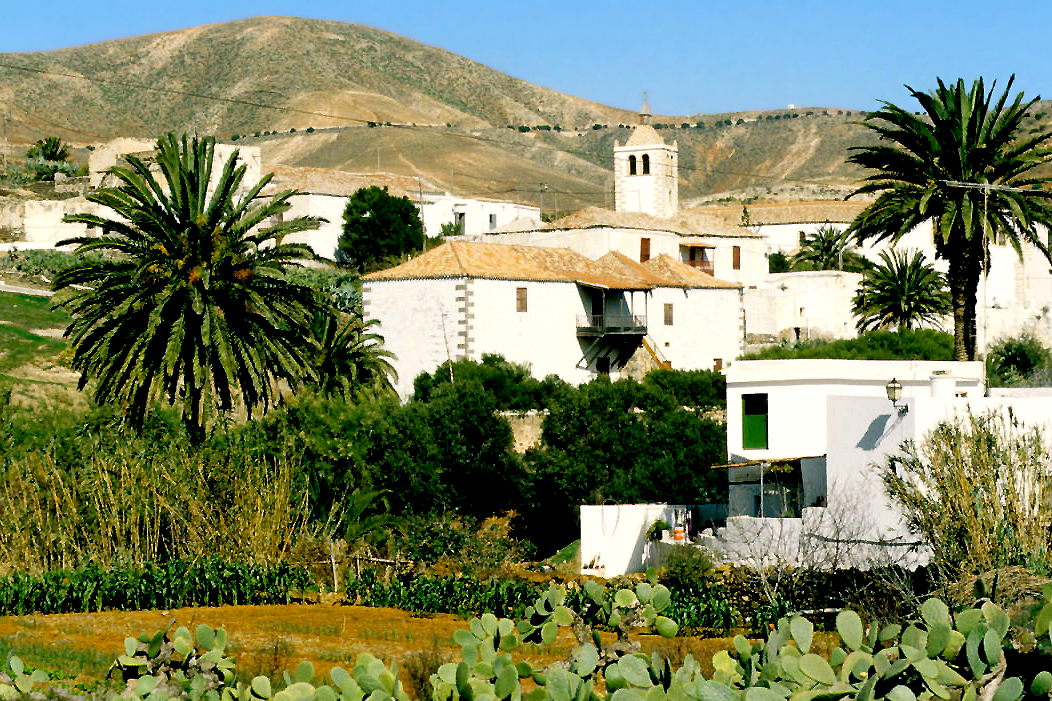
Spring is a good compromise, with warming days, a brisker wind that builds toward summer, and fewer crowds than in winter. Easter is busy, with Spanish and European holidaymakers, but the rest of the season is calm. It is a fine time for walking, because the temperatures are comfortable, and the interior around Betancuria is at its best. The sea is still cool.
Summer, from June to August: wind, heat and family holidays
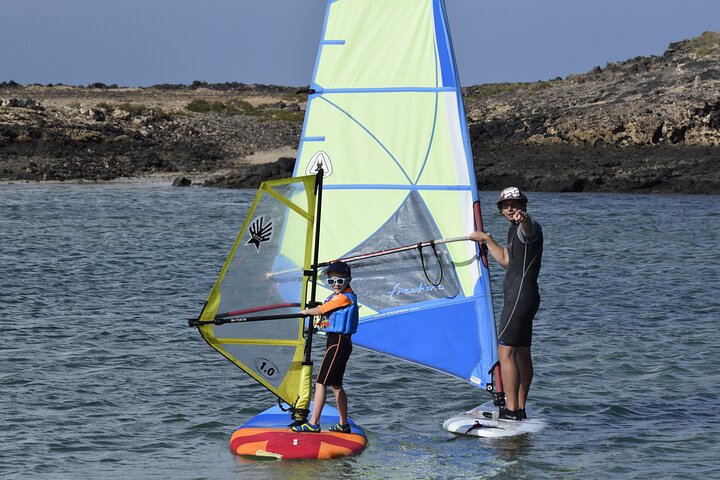
Summer is the windiest season, which is exactly what windsurfers and kitesurfers want, and it is the best time for those sports. The temperature rises, though the breeze moderates the heat, and the sea is at its warmest, so swimming is pleasant. Spanish families holiday here in July and August, so beaches and resorts are busy. The sun is very strong, so sunscreen, a hat and shade are essential. There is a chance of calima, a hot, dusty haze blown from the Sahara, which can reduce visibility and make the air feel heavy for a few days. If you dislike wind, choose the sheltered south or the lagoons, and plan beach days for the morning.
Autumn, from September to November: warm sea and rising calm. Autumn is a favourite with many regular visitors. The sea has absorbed the summer heat, so swimming is comfortable, the crowds thin after the summer holidays, and the winter-sun season gradually builds through November. Prices are usually lower before the winter peak, and it is a good time for a mix of beach days, hikes and trips. A kite festival is held around Corralejo in November, so expect a lively north coast and busier roads then.
Choosing by interest
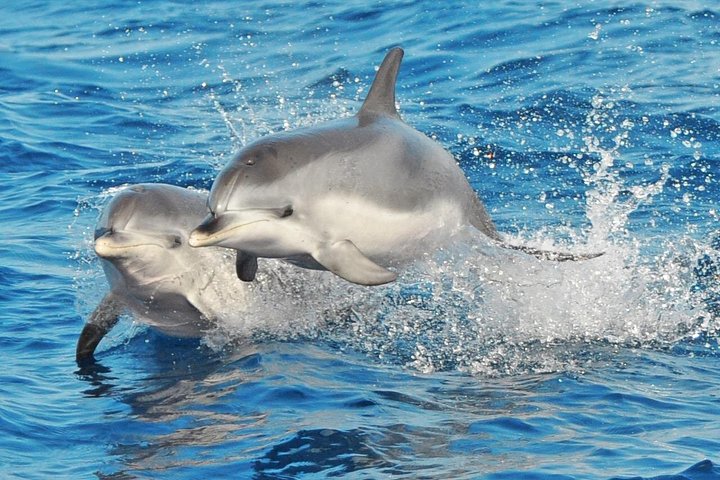
For windsurfing and kitesurfing, summer is the main season, although lessons run all year. For learning to surf, choose the calmer months and the beginner-friendly beaches near Corralejo. For walking and photography, spring and autumn have the best balance of light and temperature. For a family beach holiday, the sheltered south and the lagoons are better than the exposed north in any season. For wildlife, boat trips look for dolphins all year, and the Oasis Wildlife park is open every day. For the lowest prices, the shoulder months are best, and the weeks around Christmas and the summer holidays cost the most.
Practical weather notes
The wind is the island’s weather. Pack a windbreak for the beach and a light jacket, wear sunglasses and sunscreen all year, and take closed shoes for rough ground. Check the sea and wind forecasts before booking boats, kite lessons and the Cofete track, and keep a flexible day or two in your plan. If a boat trip is cancelled, operators normally offer another date or a refund, so read the terms. The island is small enough that you can often escape wind by driving to the other coast, and a morning at a cheese farm or an ecomuseum is a good fallback.