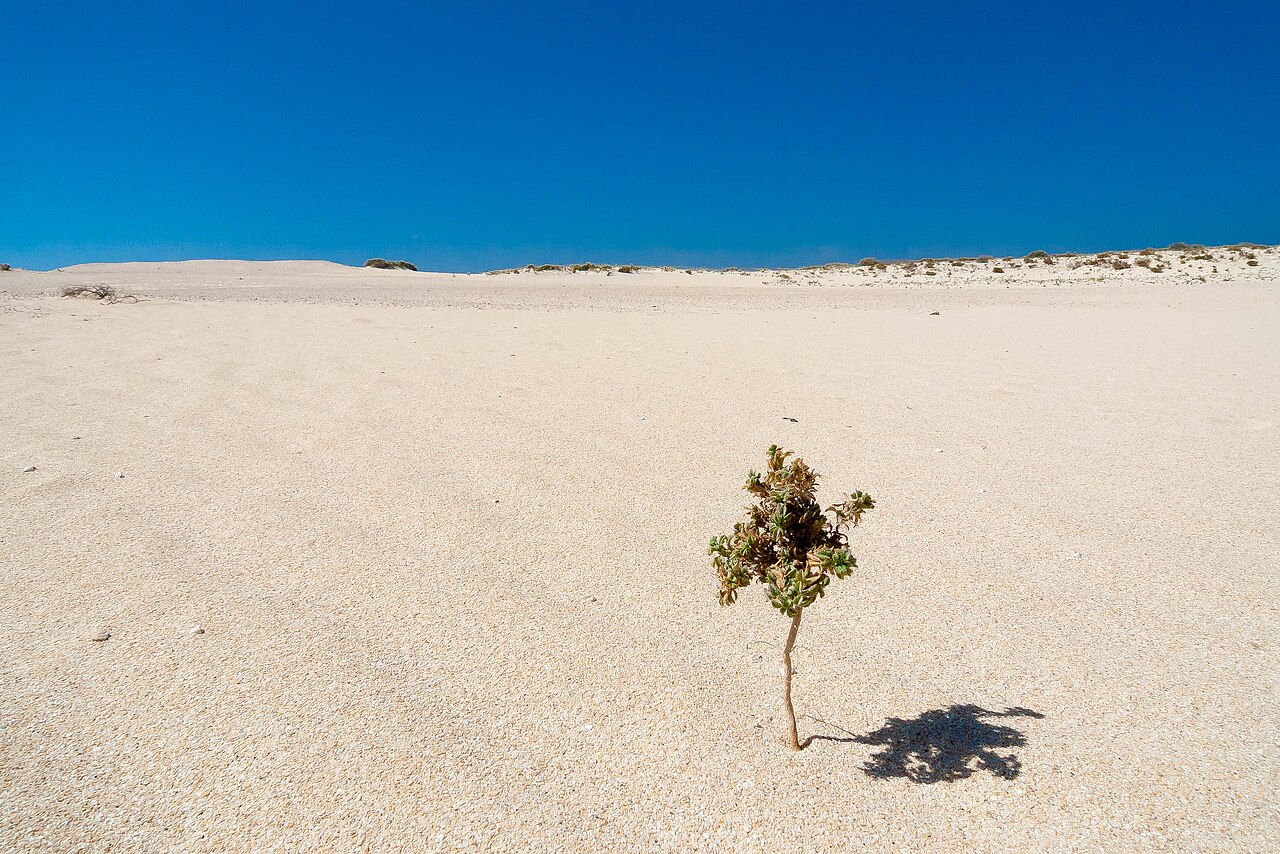
Fuerteventura is the long, windy, sandy island of the Canaries. It stretches about a hundred kilometres from the dunes of Corralejo in the north to the Jandía peninsula in the south, with pale beaches along the coast, a dry volcanic interior and almost constant trade wind. That wind is the island’s character: it keeps the air fresh, fills the sails of windsurfers and kitesurfers, and shapes the dunes. November is the start of the winter-sun high season, with warm days around 24 degrees, a sea of about 21 degrees, roughly seven hours of sun a day and very little rain, and visitors arriving from northern Europe. Availability tightens toward December and rates rise, so book the popular trips early.
What to book ahead
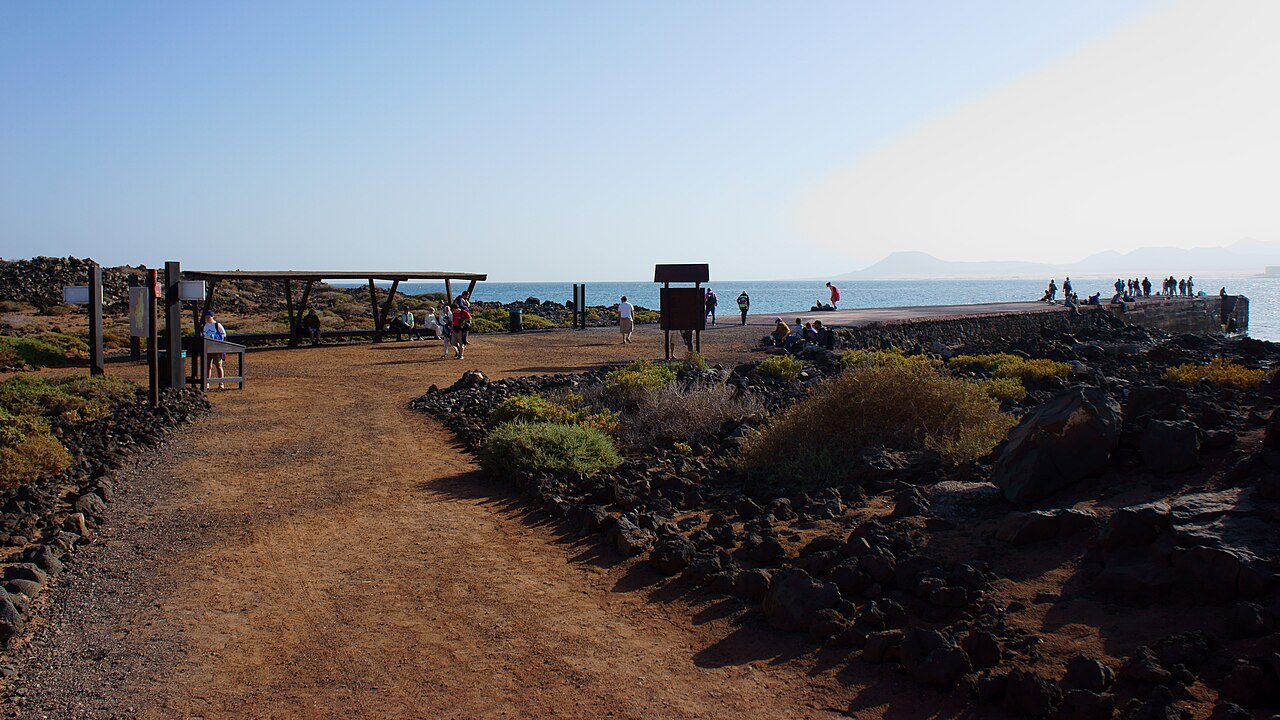
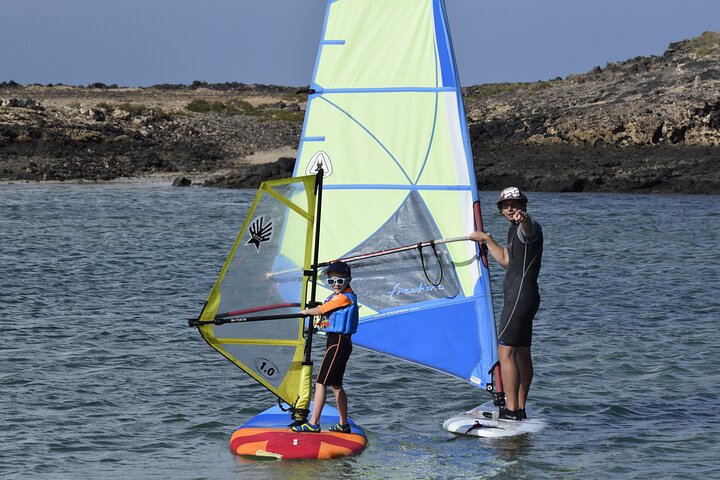
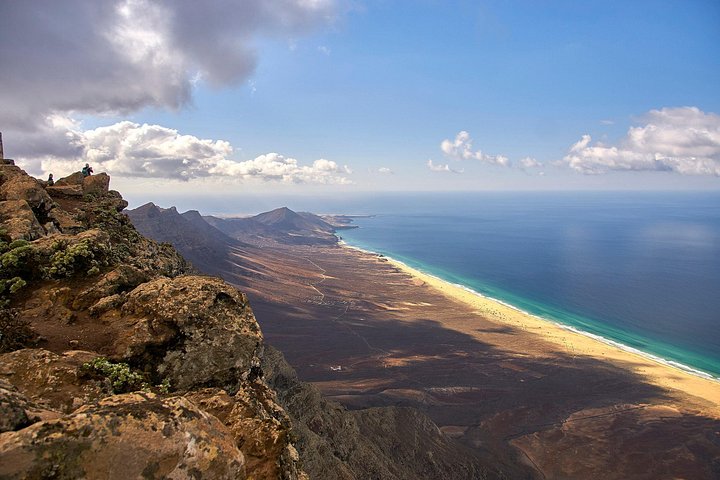
Start with Isla de Lobos. It is a protected natural park, and day visitors need a free access authorization for a morning or afternoon window of up to four hours, which the ferry ticket from Corralejo lets you add at checkout. Next, reserve a windsurf or surf lesson early in your stay, so there is time to practise, and a guided 4x4 trip to Cofete and Villa Winter, since the track is rough. Oasis Wildlife Fuerteventura sells tickets online, and the dolphin boat from Morro Jable is best reserved a day or two ahead. If you arrive during the international kite festival held around Corralejo in November, expect a livelier and busier north coast.
How to get around
A hire car gives the most freedom, because the island is long, with well over an hour and a half of driving between Corralejo and Morro Jable, and public transport is limited outside the resort towns. Main roads are good, but the track to Cofete is unpaved and hire-car insurance often excludes it, which is why a guided 4x4 trip makes sense. Corralejo is also the port for the short ferry crossing to Lanzarote, which is a separate Twickly market, and for the Lobos ferry.
How many days
Seven days works well. Spend two in the north: a morning on the Corralejo dunes, a half day on Lobos, and a surf or windsurf lesson. Spend one in the centre and west, with Betancuria, a goat cheese farm and the Ajuy caves at sunset. Spend two in the south, with a Cofete trip, a dolphin boat from Morro Jable and a beach afternoon on Jandía, and keep a day in reserve for wind, weather or the Oasis wildlife park.
The north
Corralejo is a lively harbour town beside the dunes, with the ferries, surf schools and restaurants. The dunes are free, and the main rule is to keep to the marked trails. El Cotillo, on the north-west coast, has long beaches and lagoons and is popular for sunsets.
The centre and west
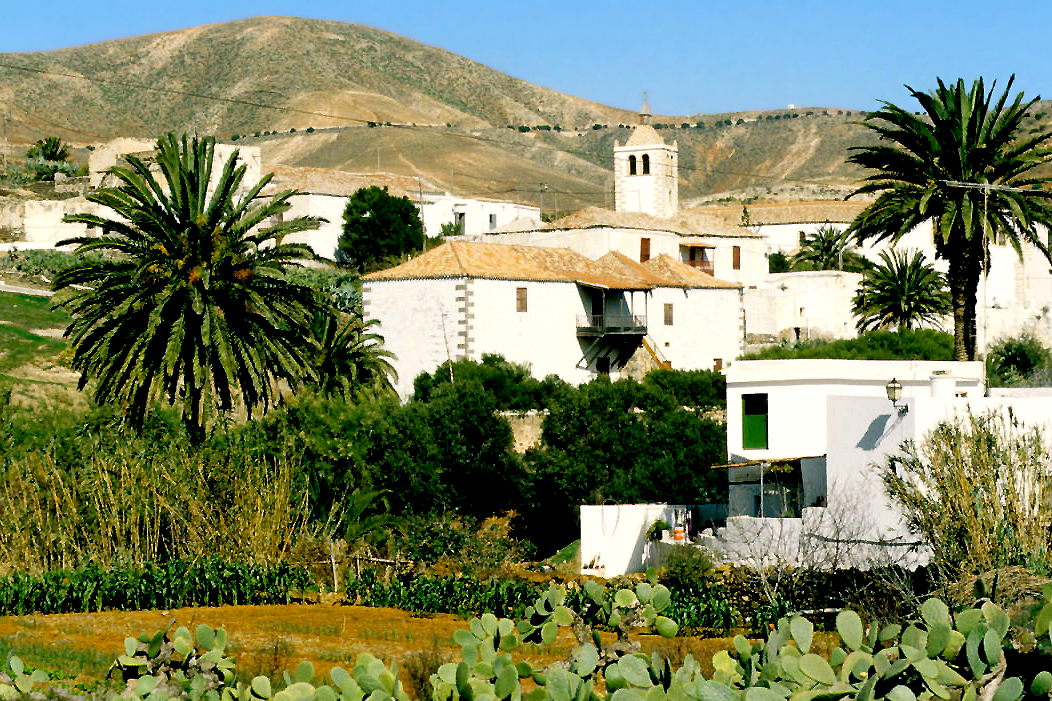
Betancuria, the old capital, sits in a quiet mountain valley with a church, convent ruins and two museums. Ajuy has a black-sand beach and sea caves, but the Atlantic is powerful there, so check conditions and keep back from the water.
The south
Jandía and Morro Jable have more than four kilometres of fine white sand and calm water, and Sotavento near Costa Calma is the island’s wind-sports centre. Cofete, over the mountains, is a wild beach of nearly fourteen kilometres where you should look rather than swim.
Good to know
Pack a windbreak, a layer for evenings, sunscreen and a hat. The wind can make beaches feel cooler than the thermometer says, and sailings and boat trips may be cancelled when the sea is rough. Prices in this guide are in general terms, and opening hours should be checked on the day.