Fuerteventura’s food is simple, salty and rooted in the island’s dry land and the sea around it. Goats have been kept here for centuries, fishing boats still land their catch at small harbours, and potatoes, gofio and spicy mojo sauces turn up at nearly every table. This is not a place of grand restaurants and tasting menus so much as of honest, local plates eaten with a view, and the best meals tend to be the ones where you ask what is fresh that day. Prices are in euros, and card payments are normal, although small bars sometimes prefer cash.
Majorero cheese, the island’s signature
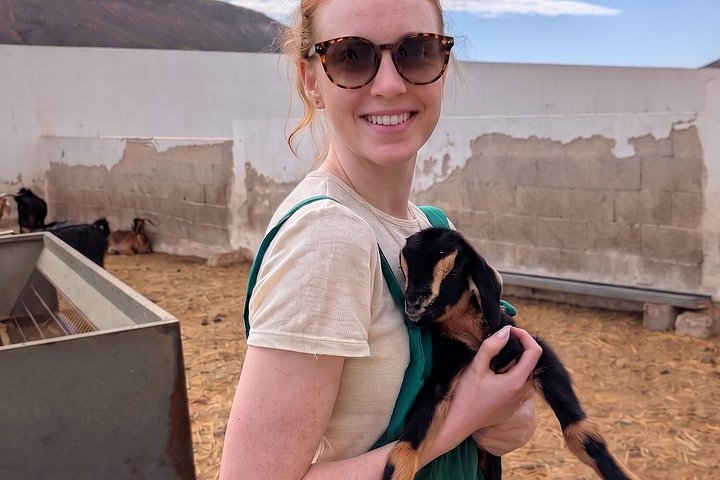
Queso majorero is made from the milk of the island’s Majorera goats, sometimes blended with ewe’s milk, and it carries a protected designation of origin. It comes in three degrees of ripeness: tierno, which is soft and mild, semi-curado, which is firmer and fuller, and curado, which is hard and sharp. The rind may be rubbed with paprika, olive oil or toasted cornmeal, which changes both its look and flavour. You will find it in supermarkets, markets and restaurants, often grilled and served with mojo or with local honey. For a deeper introduction, a goat-farm workshop shows the milking and cheese-making and ends with a local breakfast, and it is one of the island’s most rewarding morning activities for families.
Papas arrugadas and mojo
The classic Canarian side dish is small potatoes boiled in very salty water until the skins wrinkle, then served with mojo, a sauce made with oil, garlic and spices. Mojo rojo is red and spiced with paprika and sometimes chilli, while mojo verde is green and made with herbs such as coriander. Order them as a shared starter and use the sauce for bread and fish as well. They come with most meals, and they are cheap, filling and addictive.
Fresh fish at harbour villages
Fish is best eaten at the small harbours, and El Cotillo and Corralejo are good places to try it. Ask for the catch of the day and have it grilled or baked with salt, with papas arrugadas and mojo. Local species vary with the season, so do not insist on a particular fish. The big resort restaurants often serve more international food, while the harbour places serve what the boats brought in, so walk a little away from the front for the best choice. Seafood is generally priced by weight, so ask before you order.
Goat, gofio and farm food
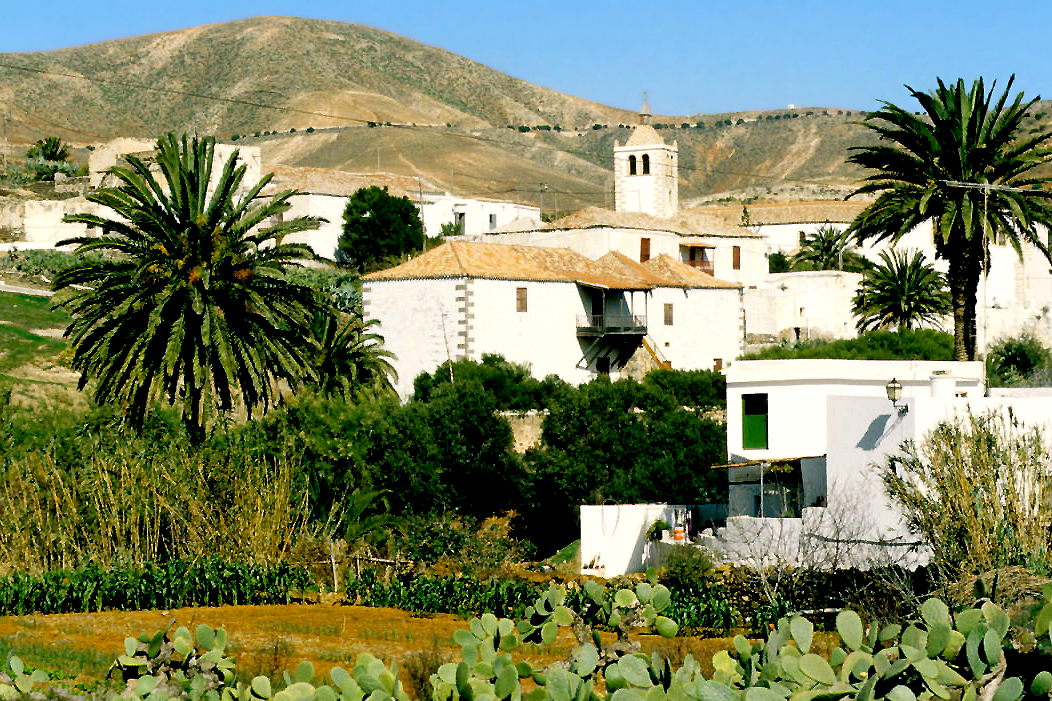
Goat is the traditional meat of the island, usually stewed slowly with spices until tender, and it is worth trying at a rural restaurant in the interior, around Betancuria and the mountain roads. Gofio is toasted flour made from grains, a Canarian staple that appears in desserts, in porridge-like dishes and stirred into soups, and you can see how it was ground at the La Alcogida Ecomuseum, where bread and cheese are also made. Organic farms on the island offer tastings of olive oil and aloe vera, which the dry climate suits well, and they make a good rainy-day or windy-day activity.
Meal times, tipping and etiquette
Spanish habits apply. Lunch is the main meal and is often eaten between about one and three in the afternoon, while dinner starts late, often after eight, although resort areas serve earlier for visitors. Tipping is appreciated but not expected: rounding up or leaving a few coins for good service is normal, and service is not usually added to the bill. Bread and olives may appear on the table without being ordered, and they are usually charged, so check the bill. In small places, ask for the menu of the day, which is often good value.
What to drink
Local wines from the Canaries are worth a try, particularly the crisp whites, as is the island’s beer, and the strong, sweet barraquito, a layered coffee from Tenerife that you will find in some cafes. Most visitors drink bottled water rather than tap water. Remember that the wind and sun are dehydrating, so drink more than you think you need on beach and hiking days.
All-inclusive and eating out
Most resorts offer all-inclusive plans, which are convenient and good value for families. If you want to try the local food, take half board or a plain breakfast rate and eat out in the evening, or mix the two by choosing one lunch at a farm or harbour restaurant on a day trip. A sensible plan is to combine a cheese workshop, a seafood lunch at a fishing village and a sunset dinner, so that you taste the island’s land and sea in one trip.