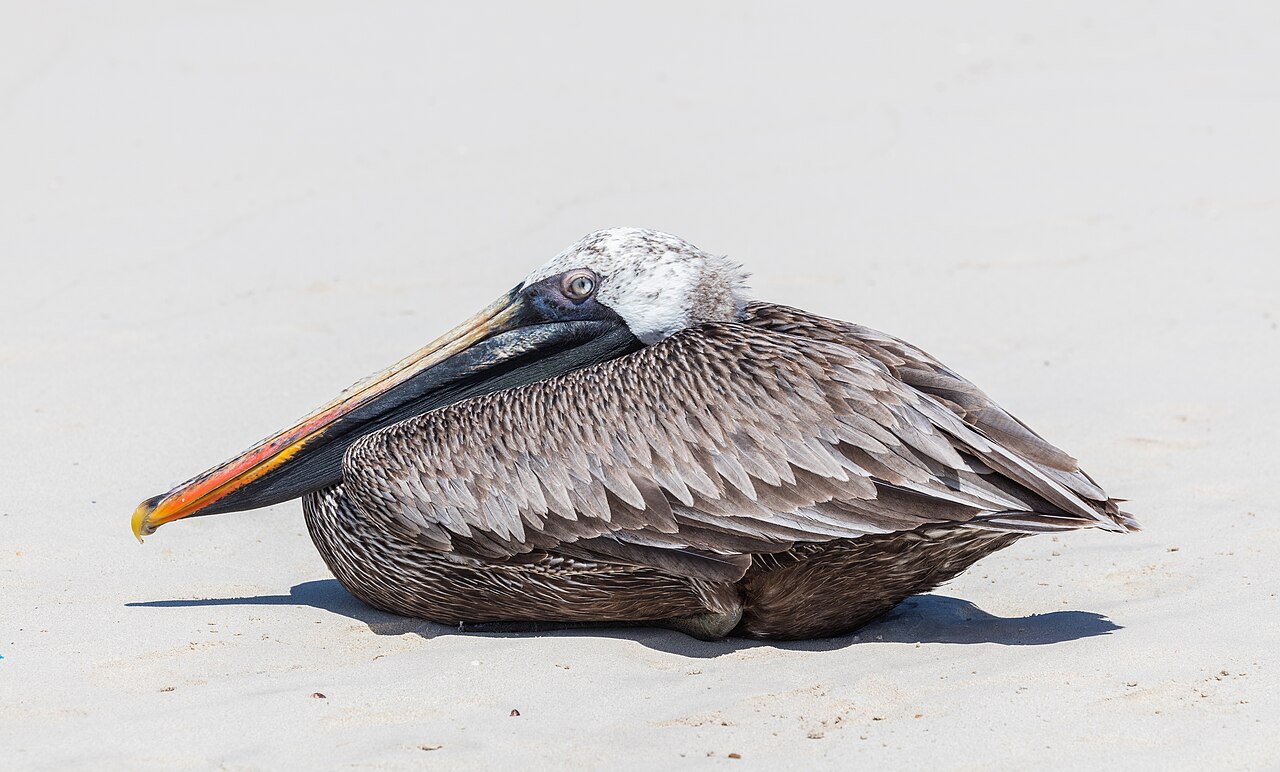
There is no bad time to visit the Galápagos, only different trade-offs. The islands sit on the equator, so the year divides into two seasons rather than four, shaped by ocean currents more than by temperature. Wildlife is present all year because the animals do not migrate away, and many of the best encounters, from tortoises to sea lions, are available in every month. What changes is the weather, the sea, the water temperature and the crowds, and for a land-based trip from Puerto Ayora those matter more than any calendar of nesting dates.
The warm season, roughly December to May
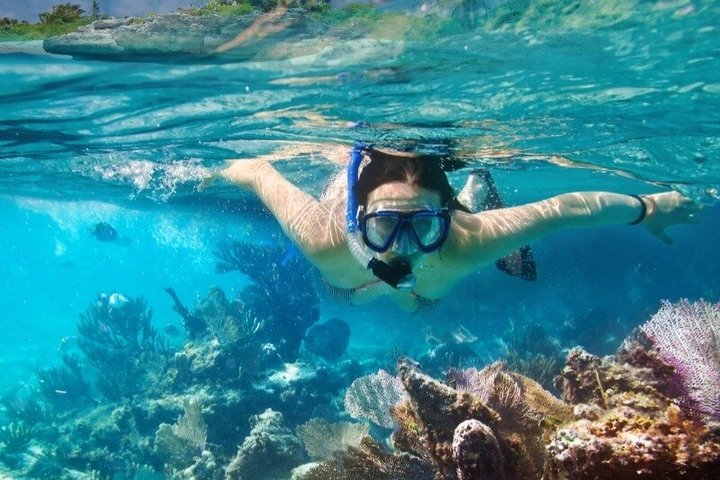
The air is hot and humid, with sunshine, brief heavy showers and the warmest, calmest sea of the year. Water is warmer and generally clearer, which makes it the most comfortable time for snorkeling, and the crossings to outer islands tend to be gentler, a real help if you are prone to seasickness. Green-season landscapes are lusher, and this is when many birds are courting and nesting. Frigatebirds inflate their red throat pouches around the start of the year, and turtles come ashore to nest around the same time. The downside is heat on exposed trails, such as the path to Tortuga Bay, so start early and carry plenty of water.
The cool season, roughly June to November
Cooler, nutrient-rich currents arrive, the air is milder and the highlands are often wrapped in a fine mist known as garúa. The sea is cooler and can be choppier, with stronger currents at some sites, so a wetsuit is worth renting for snorkeling and the boat days feel rougher. In exchange, the cool water supports abundant marine life, and this is the season many visitors pick for penguins, sharks and active sea lions. Cool-season days on land are comfortable for walking, which suits the Darwin Station, the lava tunnels and the highland tortoise reserve, though you should pack a light waterproof.
Crowds and prices
Demand peaks around the end-of-year holidays and again in the northern summer, roughly July and August, when families travel. Boat days, ferries and the best Puerto Ayora hotels fill up first, so book those early. The shoulder months between the two peaks, particularly the latter part of the year outside the holidays, are usually the quietest. A land-based trip is flexible, but the limited number of boats and rooms means that last-minute plans in a peak week can mean fewer choices.
Choosing by what you want
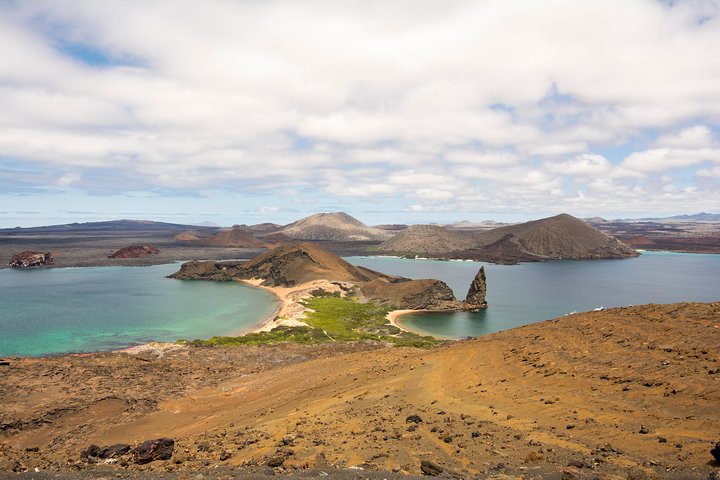
If your priority is calm seas and the warmest snorkeling, aim for the warm season, with the early months of the year the most dependable. If you want cooler walking weather and active marine wildlife, the cool season is rewarding, as long as you are comfortable with some swell. For families with young children, the calmer warm-season crossings are an advantage. For photographers, the cool season often brings softer light and dramatic highland scenery, while the warm season brings clear blue water and green hillsides. Whichever you pick, spread your boat days across the trip so a single rough morning does not ruin the plan.
What does not depend on season
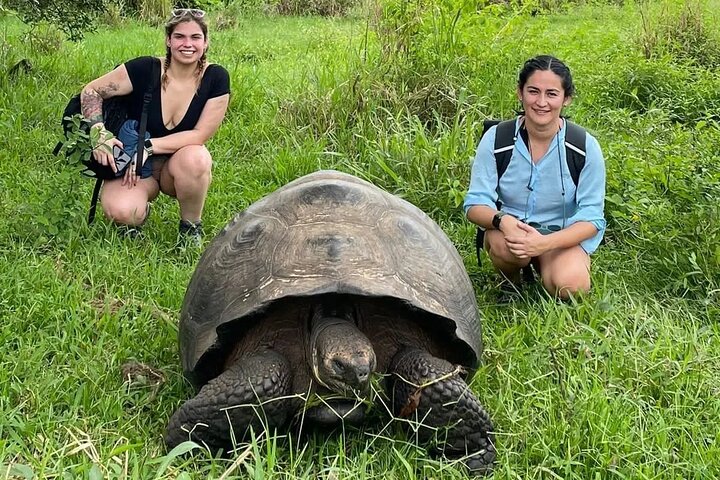
Giant tortoises are in the highlands of Santa Cruz throughout the year, so El Chato is a safe booking at any time. Sea lions and marine iguanas live around Puerto Ayora in every month, and the Darwin Station is just as rewarding in any weather. Some highlights, such as the albatross colony on Española, are seasonal and best reached by cruise, so they sit outside a land-based trip. Operators can tell you what is active on the island you are booking, and that conversation is worth having before you commit.
A note on rain
Rain in the Galápagos is rarely a trip-ruiner. Warm-season showers tend to be short and heavy, with sun on either side, while cool-season mist is more of a drizzle that mostly hangs over the highlands and leaves the coast dry. Either way, a light waterproof and a dry bag for your phone and camera on boat days will cover you, and snorkeling is just as good under a grey sky as a blue one.
Practical timing
Whatever the season, the sun is strong at the equator, so bring reef-safe sunscreen, a hat and a long-sleeved top, and pack a thin layer for early boat rides. Confirm current park fees and rules before you travel, since they change. Give yourself a spare day for weather, and check ferry times if you plan to visit Isabela or San Cristóbal, since services run on fixed morning and afternoon schedules.