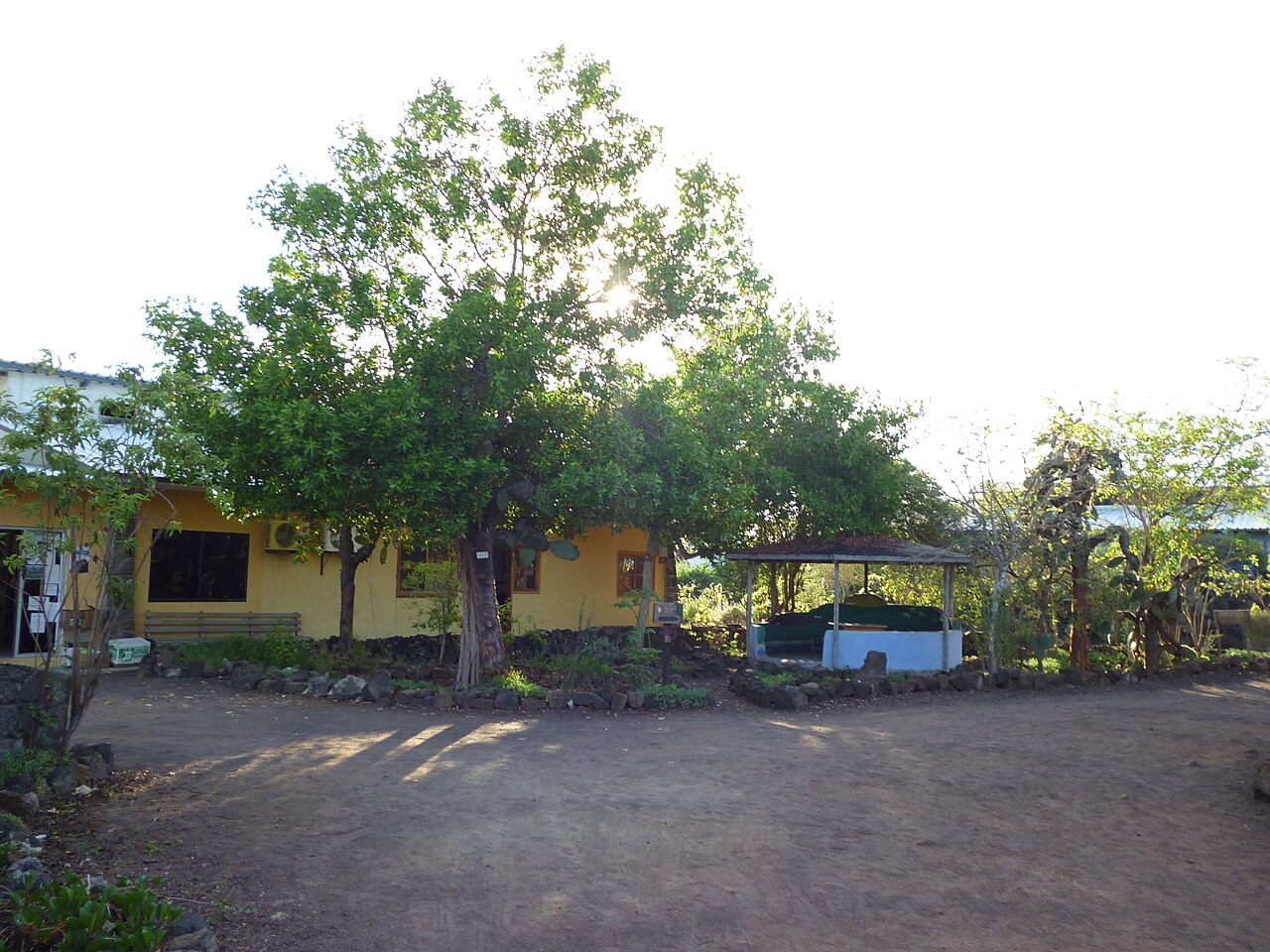
The Galápagos is famous because the animals do not run. Decades of protection mean that sea lions, iguanas and birds carry on with their lives a metre from your feet, which makes wildlife watching here more about patience and position than luck. This guide matches the headline species to the sights you can reach from Puerto Ayora, so you can build your days around the animals you most want to see. Rules apply everywhere: stay on marked paths, keep your distance, never touch or feed wildlife and follow your guide, since guides are required at most visitor sites.
Giant tortoises
The icon of the islands is easiest to meet in the green highlands of Santa Cruz, where tortoises graze freely on farmland and in reserves. A half day at the El Chato reserve, with the lava tunnels nearby, puts you among them. In town, the Charles Darwin Research Station runs a breeding programme that shows young tortoises being raised for release, which is a useful companion visit because it explains why the species is protected. Keep the distance your guide recommends, since a startled tortoise pulls in its head and legs with a loud hiss.
Marine iguanas and land iguanas
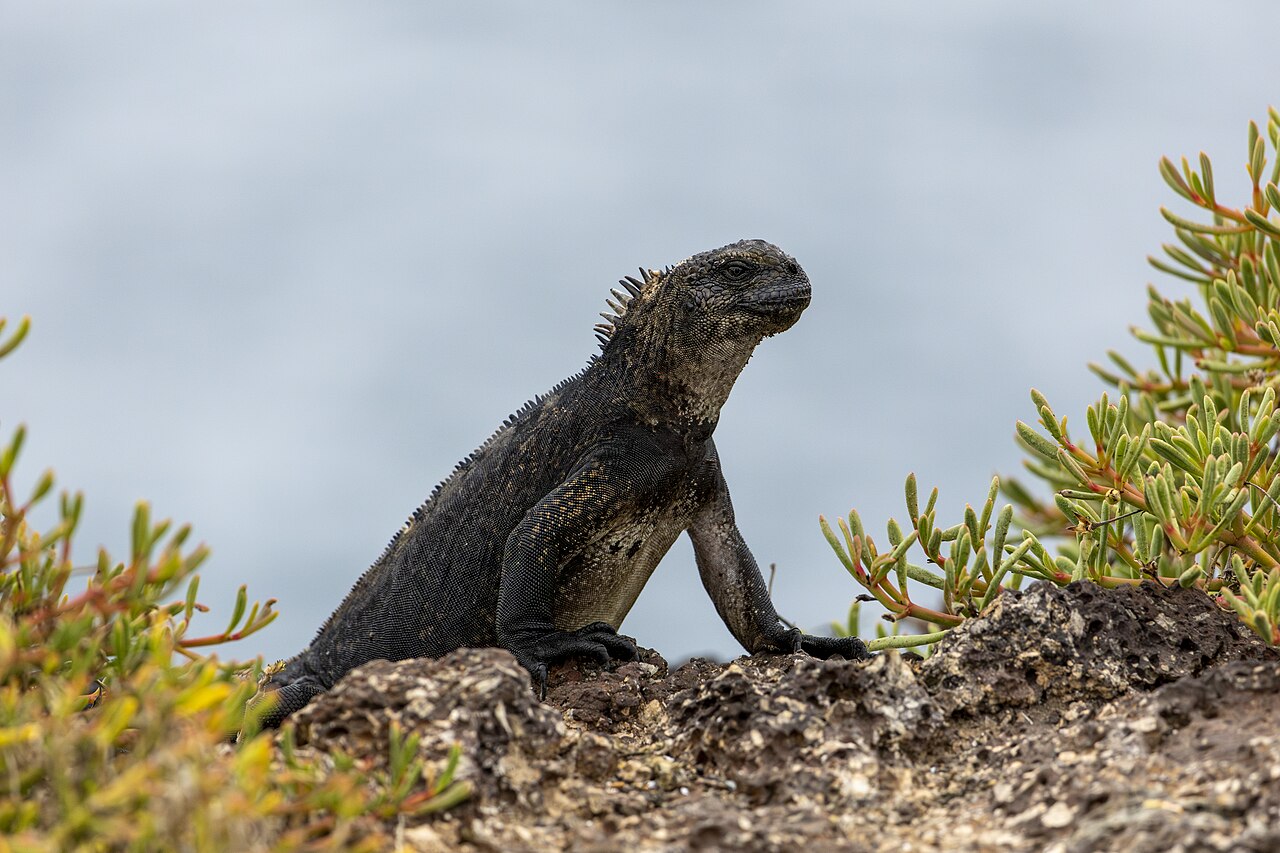
Marine iguanas are the only sea-going lizards in the world, and they sit in dark clusters on lava rock, often sneezing out salt. You will see them on the waterfront and on the sand at Tortuga Bay without leaving Santa Cruz. Land iguanas are yellow and heavier, and you meet them on dry islands: South Plaza is crowded with them among giant prickly pear cactus, North Seymour holds a population, and Santa Fe has its own distinct species of land iguana, found nowhere else. If iguanas are your priority, a South Plaza or Santa Fe day is the strongest choice.
Blue-footed boobies and frigatebirds
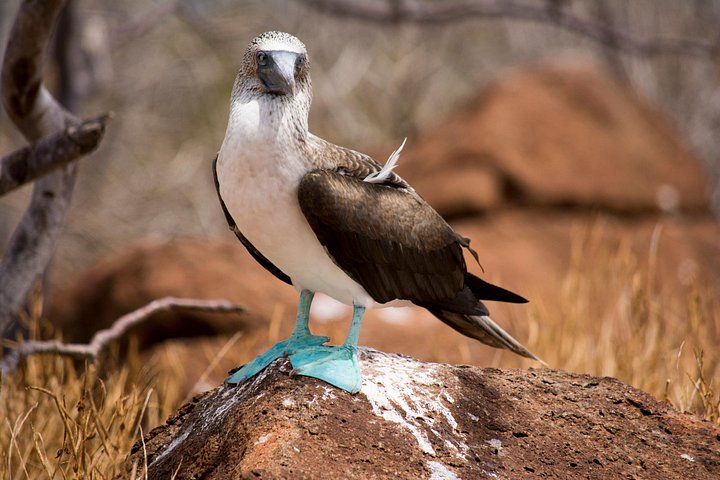
North Seymour is the best land-based bird day, with blue-footed boobies nesting beside the trail and frigatebirds perched in low bushes. Frigatebirds are also seen riding the wind over Cerro Tijeretas on San Cristóbal, a free walk near Puerto Baquerizo Moreno. Courtship displays, when the boobies lift their feet and the frigatebirds inflate their red pouches, depend on the time of year, so ask an operator what is active when you travel. Flamingos feed in the shallow lagoons of Isabela, and a quiet lagoon behind El Garrapatero beach often holds some as well.
Sea lions, turtles and penguins
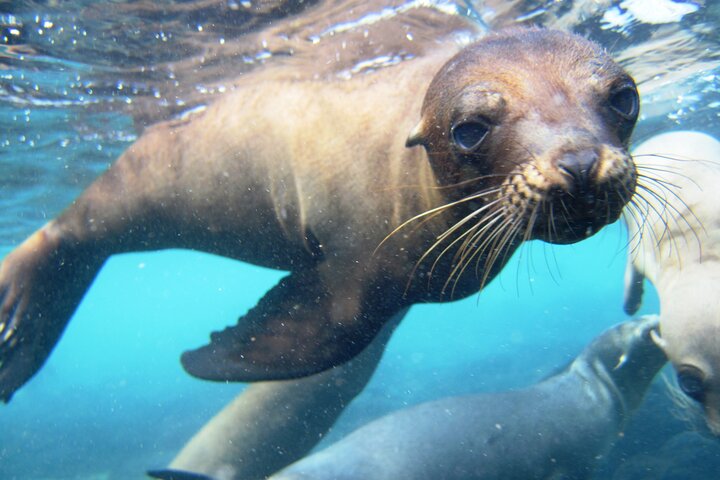
Sea lions are the easiest animals of all, since they sleep on benches, boats and beaches in Puerto Ayora itself. Out on the water, Santa Fe has a calm bay full of them, and snorkelers are often joined by curious pups. Green turtles and rays turn up on most snorkel days, and the quiet waters of Tintoreras islet on Isabela hold resting white-tip sharks that you view from a boat or while snorkeling. Penguins, the only ones that live at the equator, are most often spotted around Bartolomé and the western islands, and sightings are never guaranteed.
Sharks, rays and big-fish snorkeling
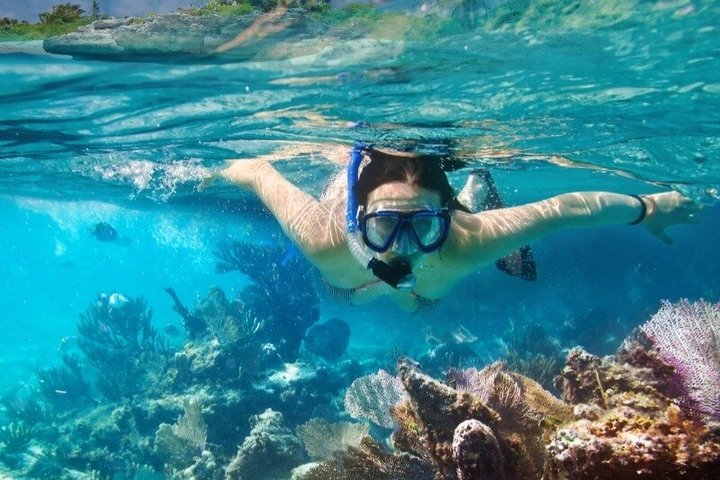
For open-water snorkeling with larger animals, Kicker Rock off San Cristóbal is the signature site, where a channel between two cliffs draws sharks, turtles and schools of fish. It suits confident swimmers because of currents. Pinzón is a quieter snorkel-only day where landing is not allowed. Choose these over a landing island when your top goal is being in the water with marine life rather than walking among birds.
Highland birds and plants
Los Gemelos, two sinkholes in the Scalesia forest above Puerto Ayora, is the place for small birds, including the vermilion flycatcher, and for a different, mistier landscape. Darwin's finches, the birds that helped inspire the theory of evolution, are common on almost every trail, and the Darwin Station is a good place to learn how to tell them apart.
Watching well
Go early for the best light and the coolest walking. Bring a zoom lens or a phone with a good camera rather than walking toward the animals, and give mothers with pups and nesting birds extra room. Check current park rules before you travel, since visitor-site arrangements can change. The best wildlife day is rarely the farthest one, so build in rest and let the animals come to you.