The south coast is a year-round destination, but the experience changes sharply with the seasons. Understanding the monsoon pattern helps you plan the sea activities, safaris and fort walks you want. Here is a season-by-season guide.
The main season: December to March
This is the driest and calmest time on the south-west and south coast. Skies are clearer, seas are gentler and beaches such as Unawatuna and Weligama are at their best for swimming, snorkeling and surf lessons. It is also the busiest and most expensive time, with high hotel rates and full restaurants, especially around Christmas and New Year. Book accommodation, whale watching boats and key tours early.
The shoulder months: April and October to November
Seas can still be good in April, with warm weather and fewer visitors, though humidity builds and the first inter-monsoon showers appear. From October into the following months, afternoon thunderstorms are common as the northeast monsoon begins, but mornings are often clear. These are good months for good-value stays, with the season starting up again.
The southwest monsoon: May to September
Heavy rain, strong winds and rough seas hit the south-west and south coasts. Swimming can be dangerous, many boat trips are cancelled and some beach businesses reduce hours. On the other hand, the fort and inland sights stay open and quieter, the countryside turns lush and prices drop. The dry zone in the south-east, including Yala, is much drier at this time, which can make for excellent safari conditions.
Whale watching
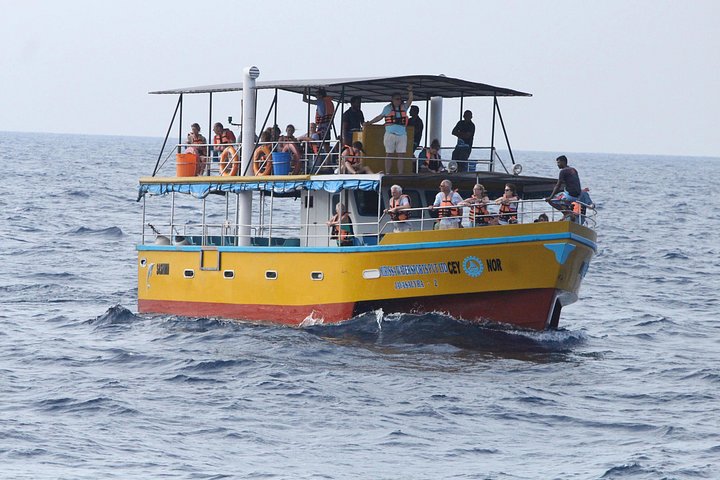
Mirissa’s whale season is generally from about November to April, when the sea is calmer and blue whales and sperm whales are regularly seen offshore. Outside that window, boats may still run on calm days, but sightings are less reliable. Always check the conditions on the morning of your trip.
Snorkeling and diving
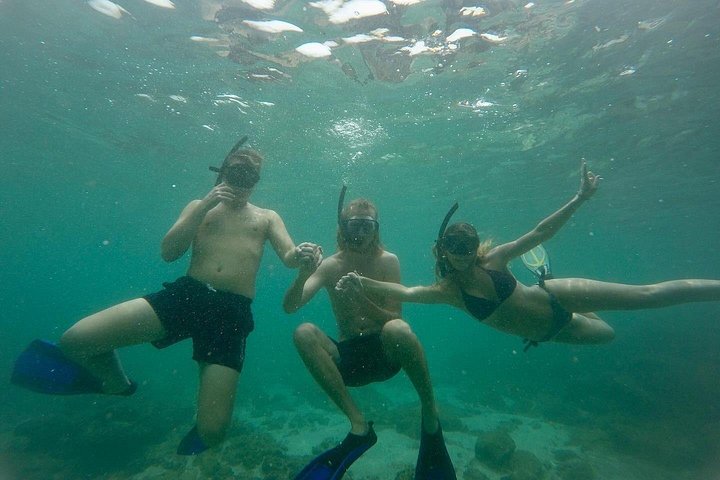
The best visibility and calmest water come in the dry months from December to April. Rock Island at Unawatuna and the turtle bays near Mirissa are best in the early morning. In the monsoon months, operators may cancel trips or limit them to sheltered sites.
Surf
Weligama’s gentle bay is best for beginners from about October to April, when the waves are small and clean. In the southwest monsoon the surf grows larger and messier, which suits experienced surfers but not learners. Choose a school that checks conditions and keeps students safe.
Safaris
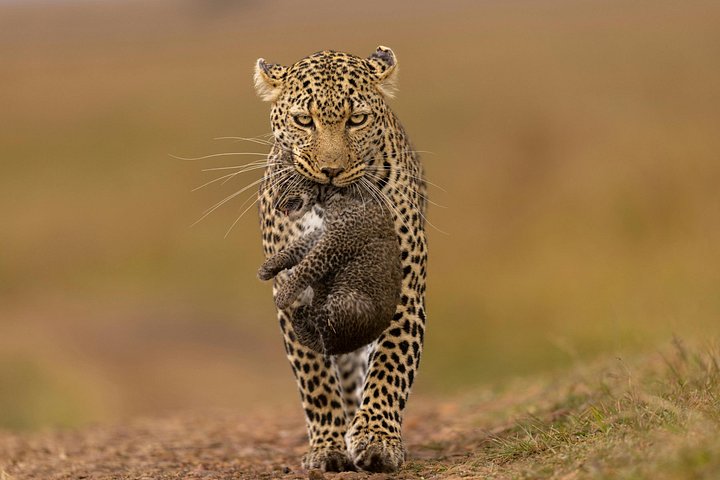
Yala, Bundala and Udawalawe are in the drier south-east, and the best wildlife viewing typically happens in the dry months when animals gather at waterholes, roughly from February to July. Yala usually closes for a short period each year in the driest season, so check dates. Bundala’s migratory birds, including flamingos, are present from about October to March. Udawalawe offers elephants all year.
Rainforests
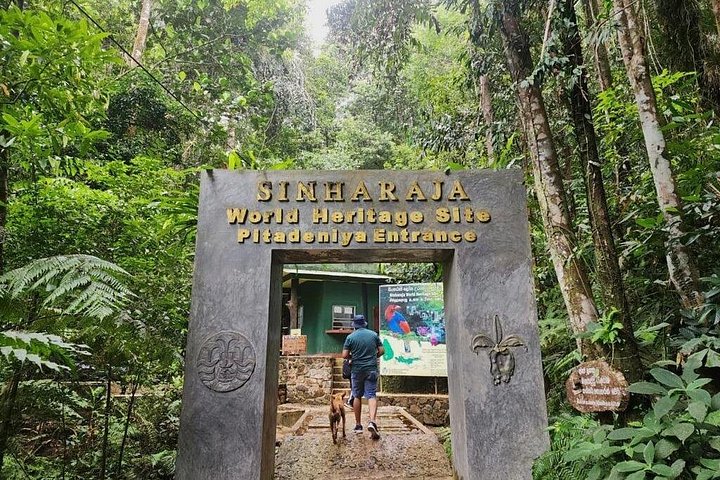
Sinharaja and Kanneliya are wet year-round. The least rainy months are generally January to April, but you should expect showers whenever you go. Leeches are more active after rain. Bring a rain jacket and be ready for muddy paths.
Festivals and holidays
Full moon days, known as Poya, are public holidays when alcohol sales stop and some shops close. Sinhala and Tamil New Year in mid-April is a major holiday, with many local families travelling and some businesses closed. Check dates when you plan, and expect busy roads around holidays.
Choosing your window
For sea activities and the best beach weather, aim for December to March. For lower prices and a quieter fort, consider April or the early part of the monsoon. For safaris, the dry months in the middle of the year work well. Whichever time you choose, build a day or two of flexibility into the plan, and keep an eye on the forecast.
Crowds and prices
Peak season brings full hotels and busy beaches, and the cheapest months coincide with the roughest seas. If you can travel in the shoulder periods, you often get the best balance of weather, availability and rates. Whatever month you choose, avoid packing the schedule too tightly, because rain, heat and traffic can all cause delays.
What to pack by season
In the dry season, light clothes, sunscreen and a hat are the priorities. In the monsoon, add a waterproof jacket, quick-dry clothes, a dry bag and sandals with grip. Insect repellent is useful year-round, particularly near mangroves, lagoons and forests. Check the forecast for sea conditions before booking boat trips, and ask operators about their weather cancellation policies.
A balanced approach
Even in the best months, the south coast has hot afternoons, so plan active outings for the morning and keep the middle of the day for lunch, a swim or a nap. In the wetter months, treat rain as part of the experience: the ramparts glisten, the forests hum and the cafes feel cosy. Flexible travellers often enjoy the quieter season more than they expect.