The south coast is a rewarding place to eat, with fresh fish landed every morning, coconut in nearly every dish and spice mixes that vary from kitchen to kitchen. Menus range from humble rice-and-curry shops to polished fort restaurants, and good meals are rarely expensive. Here is what to look for.
Rice and curry
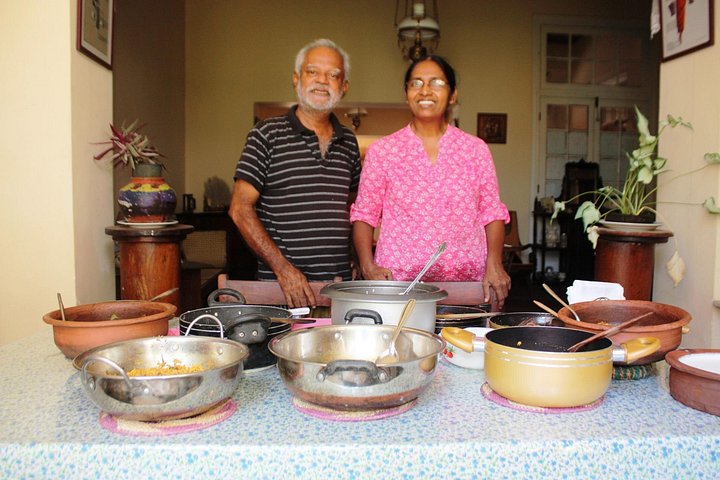
The classic meal is a plate of rice surrounded by small bowls of curry: dhal, a vegetable or two, a fish or chicken curry, a fresh sambol and a crisp papadam or fried chilli. Flavours come from coconut milk, curry leaves, pandan, tamarind and roasted spices. Many places offer a lunch spread at a fixed price, and a cooking class in Galle Fort is an excellent way to learn how it is built.
Hoppers and string hoppers
Hoppers are bowl-shaped pancakes made from fermented rice batter and coconut milk, crisp at the edges and soft in the middle. An egg hopper has an egg cooked in the centre. String hoppers are steamed nests of rice noodles, usually served with dhal, sambol and coconut. Both are breakfast or dinner staples, and are best eaten hot.
Seafood
On the south coast the catch includes tuna, mahi-mahi, snapper, prawns, squid, crab and lobster. Beachfront restaurants in Unawatuna, Mirissa and Weligama often display the day’s fish on ice, and you can choose and have it grilled, devilled or cooked in a spicy curry. Prices are usually by weight, so ask before ordering. Sustainable choices are worth asking about, especially for lobster and shark.
Kottu and street food
Kottu roti is chopped flatbread stir-fried with vegetables, egg and meat on a griddle, and the rhythmic clanging of the blades is the sound of a Sri Lankan evening. Other snacks include short eats such as samosas, cutlets and fish buns, isso vade (prawn fritters), and fresh fruit with chilli salt. Choose busy stalls with fresh turnover to reduce the risk of upset stomachs.
Sweets and treats
Try watalappan, a spiced coconut custard with jaggery, and kavum, a deep-fried sweet made from rice flour and treacle. Curd made from buffalo milk, served with kithul treacle, is a regional favourite in the south. Fresh fruit is excellent, including mango, papaya, pineapple, rambutan, mangosteen and wood apple, depending on the season.
Drinks
Tea is the national drink, and a cup of Ceylon tea, usually sweet and strong, is easy to find. King coconut, the bright orange variety, is sold at roadside stalls and is a safe, refreshing choice in the heat. Arrack, a spirit distilled from coconut sap, is the local alcohol, often mixed with ginger beer or soda. Beer and wine are available in tourist areas, and some fort restaurants have thoughtful cocktail lists.
Where to eat
Galle Fort has the widest choice, from simple rice-and-curry houses to stylish courtyard restaurants and cafes serving breakfasts and coffee. Unawatuna’s beach is packed with seafood places, Mirissa has relaxed sunset tables and Weligama has surfer cafes with smoothie bowls. In Bentota and Dadella, resort restaurants offer buffets and a la carte menus. Ask your hotel for recommendations and reserve in the high season.
Staying well
Drink bottled or filtered water, and avoid ice unless you know it is made from purified water. Wash hands, eat at busy places and choose food that is cooked hot. If you have a sensitive stomach, introduce spicy dishes gradually. Vegetarian and vegan travellers will find plenty of choice, though fish sauce and shrimp paste appear in some dishes, so ask.
Spice levels
Sri Lankan food can be fiery. Say you want it mild, and ask for sambols and chilli on the side. Many restaurants adapt dishes for visitors, but home cooks in village settings may serve it hot. Cooling sides such as plain curd, cucumber salad and coconut sambol help balance a spicy plate.
Tipping and bills
A service charge is often added in tourist restaurants. If not, a tip of ten percent is appreciated. Cash is common at smaller places, so carry rupees. Whatever you order, take your time, because meals are social, and nobody expects you to rush.
Food experiences worth booking
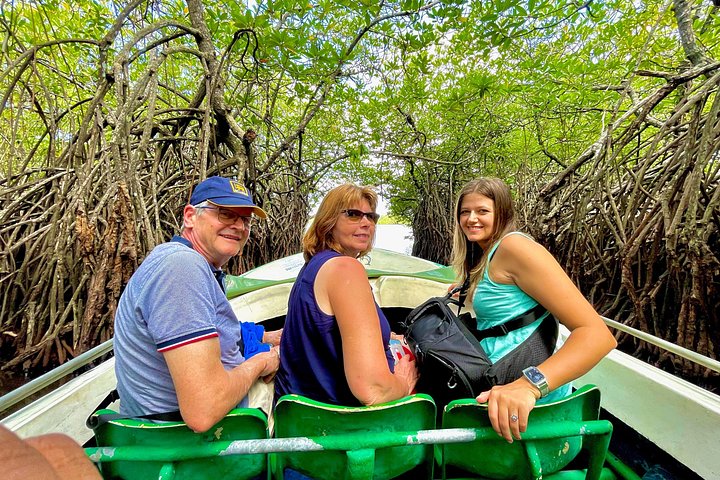
Beyond ordinary restaurants, a market-and-cooking class gives you recipes to take home, and a village meal or a river safari with a cinnamon island stop shows where some of the ingredients come from. Ask hotel kitchens about vegetarian thali sets and early breakfasts before dawn trips, and look for cafes in the fort that roast local coffee and bake fresh bread.